
Ag Transport Proof Pack: The 9 Items That Get Grain/Livestock Upgrades Approved Faster
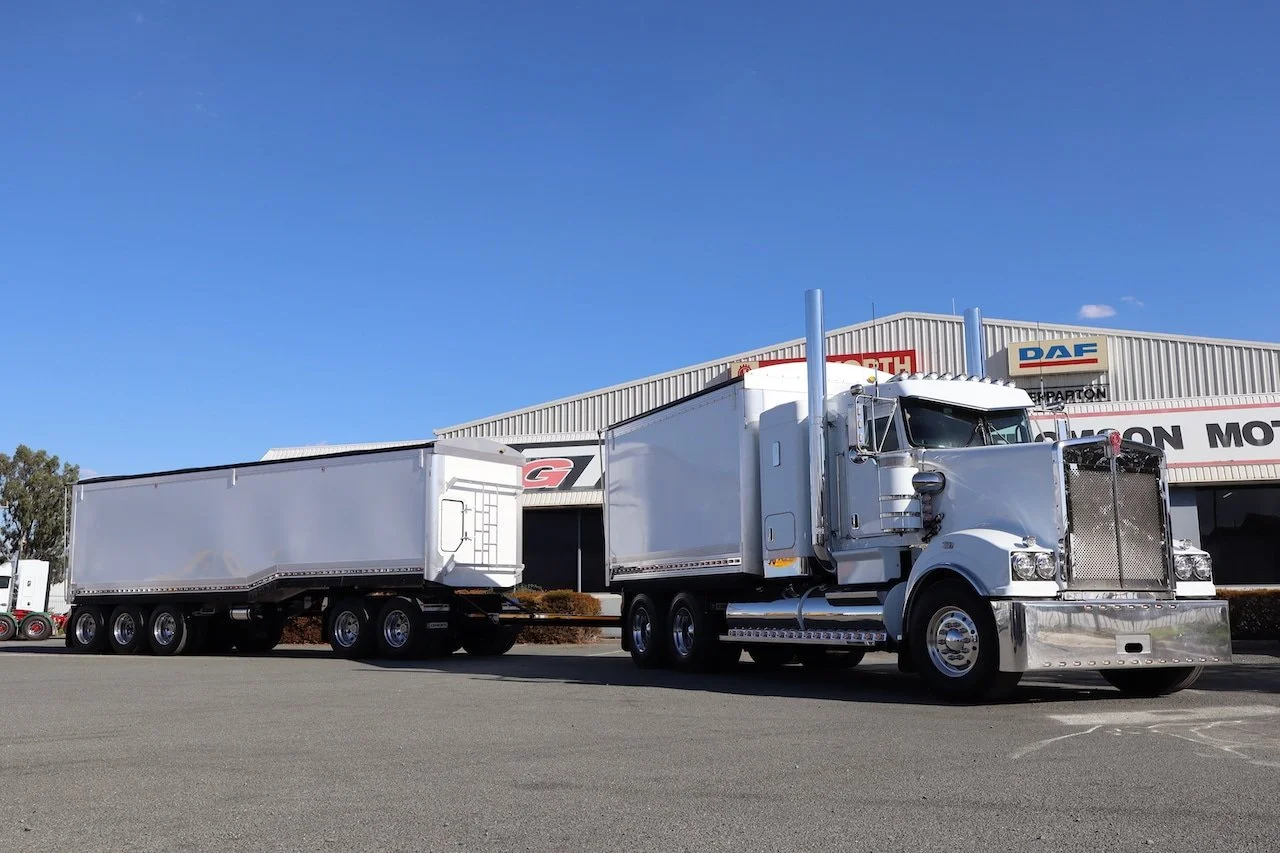
Ag transport proof pack for grain and livestock upgrades | Switchboard Finance
 🚛 ag transport · grain + livestock · proof pack ·
Truckie Hub · 2026
🚛 ag transport · grain + livestock · proof pack ·
Truckie Hub · 2026
Truckers and owner-drivers running an ag transport business don’t usually get delayed by “the truck” — they get delayed by the proof. In transport logistics and fleet upgrades, the first week is won by how clean your evidence is, not how hard you push. This guide is a single-purpose proof pack for faster decisions, built for grain and livestock work (yes, the “truckie” lane — once you’ve seen it, you can’t unsee it).
If you want the big picture on fleet funding lanes, start here: What Is Fleet Finance? If you’re aiming for low doc pathways for the asset itself, the core lane is Low Doc Asset Finance. For operator readiness before you lodge, use Truck Finance Checklist.
One thing to remember: approvals move faster when your cashflow story is easy to verify. If you need a definition-level explainer on that concept, see Cashflow (and keep your pack aligned to it).
1) Why logistics lenders ask for a “proof pack” in ag transport
Ag work is seasonal, high-variance, and often paid in batches. That’s normal for a transport business — but it can look “uneven” on paper. The proof pack turns uneven into explainable: run history, counterparties, and payment patterns that match your work.
Without a pack, day 3–7 slows down with predictable questions: “Who pays you?”, “How often?”, “Is this contract work or spot work?”, “Why the spikes?” The consequence is more back-and-forth, and valuations pushed back while the lender gets comfortable.
The goal is not to prove you’re perfect — it’s to prove you’re real, repeatable, and easy to verify. That’s how you make a truck finance file feel “low effort” to assess.
2) The 9-item proof pack for owner-driver + fleet upgrades (without full financials)
This is the tight version: nine items that usually answer 80% of lender questions up front. Keep it short, labelled, and ordered — that’s what speeds the credit queue.
The consequence of overloading the file is real: if the lender has to “hunt” through attachments, they miss the story and ask again. Your job is to make the story obvious inside two minutes.
Use this table as your exact checklist for grain and livestock upgrades.
| # | Item | What it proves | Common mistake |
|---|---|---|---|
| 1 | Run history (last 8–12 weeks) | Consistency of work + lanes + volume | Only showing “best week” screenshots |
| 2 | Contracts / engagement letters (if you have them) | Counterparty relationship + terms | Sending unsigned drafts with no dates |
| 3 | Rate card / schedule (or written rate confirmation) | How you earn per run / tonne / trip | Rates explained only verbally |
| 4 | Settlement/payout summaries (agent/processor statements) | Payment source + frequency + net outcomes | Missing the “who paid” reference |
| 5 | Invoice samples (3–6) that match payouts | Invoice-to-cash link | Invoices that don’t tie to deposits |
| 6 | Fuel + maintenance evidence (last 6–8 weeks) | Operating reality (not “made up numbers”) | Only providing a single fuel receipt |
| 7 | Rego + insurance schedule (current) | Compliance + timing of big outflows | No dates / no policy schedule page |
| 8 | Asset details (quote/spec + fit-out notes) | Valuation clarity + suitability for work | Vague “new truck” with no spec sheet |
| 9 | One-page “cashflow map” (7–45 day reality) | Why timing gaps happen + how you manage them | Explaining it across 10 messages instead |
3) The 48-hour submission order (so day 3–7 doesn’t stall)
Your pack can be “complete” and still stall if the order is messy. The fastest files read like a story: who pays you, how often, and how the cash arrives.
If the lender can’t link work → invoice → payout quickly, the consequence is a “pending” file while they request clarifications. In ag transport, that often shows up as a docket-to-pay gap that wasn’t explained up front.
Use this exact order (it’s designed for speed, not for perfection).
- Page 1: 1-page cashflow map (terms, payout pattern, seasonal notes).
- Pages 2–3: run history + contracts/engagement letters.
- Pages 4–6: payout summaries + invoice samples that match deposits.
- Pages 7–8: fuel/maintenance evidence + rego/insurance schedule.
- Pages 9+: quote/spec + fit-out notes (so valuation questions don’t bounce).
4) Where this fits: truck finance lane vs cashflow lanes
This proof pack is built for asset approvals: the upgrade, the valuation, and the lender’s comfort on work + payout pattern. It’s not a generic “docs checklist” — it’s a lender-ready evidence pack for ag transport reality.
If the real pressure is timing (paid late after runs), the consequence is you can “win the asset” but still feel squeezed. In that case, pair the upgrade lane with a cashflow buffer lane: Working Capital Loans (and keep the usage clean so limits cycle down).
For asset-side structure comparisons and approval speed tips, this is the closest companion read: Low Doc Truck Finance Approval Tips.
Truckers, owner-drivers, transport & logistics businesses win faster approvals when the first 48 hours are clean: one proof pack that links run history → invoices → payout summaries → operating reality. For grain and livestock work, the “proof” matters as much as the asset.
Use the 9-item pack to reduce valuation delays and day-3-to-7 back-and-forth. Lodge the upgrade in Low Doc Asset Finance, and if timing gaps are the real issue, pair it with Working Capital Loans.
FAQ
Your ABN details tied to the trading name you invoice under. If it’s inconsistent across documents, the consequence is verification delays before the lender even starts assessing the upgrade.
They look for deposits that match invoices and summaries in your Bank Statements. If they can’t reconcile “work → invoice → deposit” quickly, the consequence is a pending file while they request more proof.
Because the assessor can’t get to a decision without a clean narrative, so it slows the Credit Assessment. The consequence is day-3-to-7 “clarify this” messages that could’ve been prevented by the submission order.
Sending mixed, unlabelled evidence that doesn’t answer the lender’s Approval Criteria. The consequence is more documents requested (and sometimes valuation delays) because the file reads as “uncertain”.
A missing or late PPSR check pathway in the file. The consequence is the lender can’t finalise risk/ownership comfort, so settlement timing slips even if the borrower side is ready.
Disclaimer: This content is general information only and isn’t financial, legal, or tax advice.
