
BAS + Fuel + Repairs Buffer (2025): Facility Usage Rules for Transport Operators
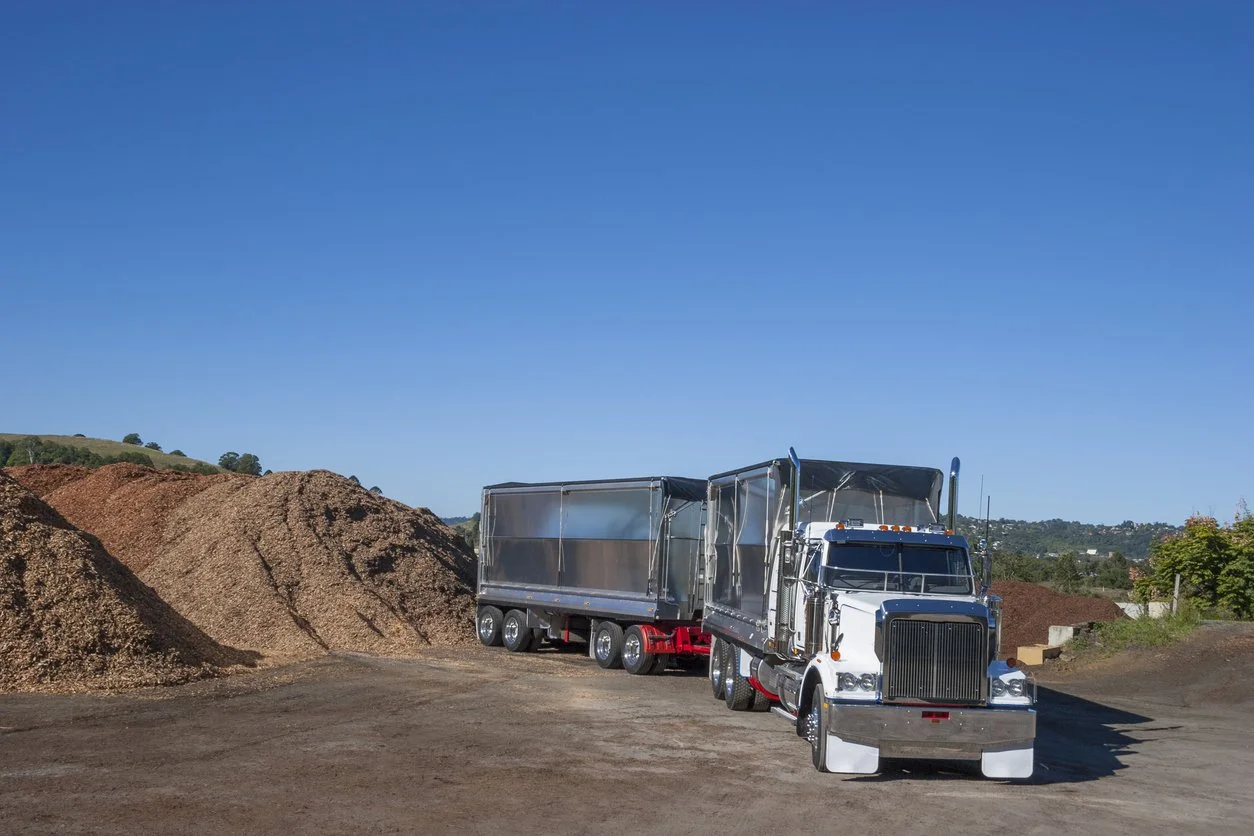
BAS fuel repairs buffer for transport operators – Switchboard Finance
 🚚 Transport & logistics rulebook for truckies/truckers · Truckie Hub · 2025
In transport and logistics, “cashflow problems” usually aren’t sales problems — they’re timing problems. The danger week is when BAS, diesel, and an ugly repair land close together.
This is a simple system: three buckets + one rulebook for how (and when) you touch a facility. If you’re GST Registered and lodging BAS, keep the baseline rules handy at ato.gov.au.
1) The 3-bucket buffer (BAS · fuel · repairs)
The goal is boring on purpose: ring-fence predictable hits so you don’t “borrow emotionally” in a bad week. This isn’t growth funding — it’s keeping the run schedule intact.
Pick one weekly top-up day, set a floor for each bucket, and treat floors like a safety line. If a bucket gets used, you refill it before anything discretionary.
Rule: weekly top-up. Floor: never zero in the last month of the quarter.
Rule: keep “days of diesel”. Floor: enough to finish the next scheduled run cycle.
Rule: standing reserve. Floor: one common failure event (tyres/brakes/minor breakdown).
2) Facility usage rules (keep the lane clean)
A cashflow facility works when it has one job: smoothing timing gaps in weekly operations. Once it starts funding upgrades, the “buffer” turns into permanent pressure.
Use cashflow tools for operating spikes. Keep trucks, trailers, and major gear in the asset finance lane (separate structure).
| Facility | Best use in transport/logistics | One clean rule | What to avoid |
|---|---|---|---|
|
Business Line of Credit
Also sits under Business Loans
|
BAS weeks, fuel spikes, rego/insurance blocks, short “gap” weeks. | Only draw to protect the three buckets — repay when client payments land. | Letting it sit permanently near the limit with no reset habit. |
|
Working Capital Loans
For defined short gaps (mobilisation / seasonal ramp)
|
A known short squeeze (new contract start, seasonal ramp, delayed pay-cycle month). | Write the “end date” first — if the gap has no end, restructure instead of rolling. | Covering ongoing overhead with no exit plan. |
|
Invoice Finance
When dockets → invoices → payments run slow
|
Speeding up cash against invoices when the pay cycle is the bottleneck. | Treat it as “cash speed”, not a spending account. | Trying to fix thin margins with a funding tool. |
3) Low doc files (make it assessable fast)
Low doc doesn’t mean “no checks” — it means the lender leans harder on behaviour and consistency. Your job is to make the story obvious in 60 seconds.
Keep it simple: what the tight weeks are, what the buffer rules are, and how the facility gets repaid when payments land.
- Purpose: “BAS + fuel + repairs buffer” (short, operational, repeatable).
- Pattern: key pay cycles + which weeks historically tighten.
- Behaviour: steady inflows, controlled draws, clean repayment habit.
- Structure: upgrades stay separate (facility stays a buffer).
Run three buckets (BAS · fuel · repairs). Only use facilities to protect those buckets. Rule: when repairs gets used, refill it before expanding anything else.
Keep the money path clean: Business Loans · Business Line of Credit · Working Capital Loans · Invoice Finance · Truckie Hub · What Is Fleet Finance? (hero guide).
FAQ
Build the rulebook first, then the product. Even a simple Cash Flow Forecast makes the purpose clear and stops the facility being used “because it’s there”.
Set a hard boundary around the Credit Limit and tie repayments to incoming client payments. If the limit keeps rising while profit doesn’t, it’s a restructure conversation.
Treat every Drawdown as bucket-protection: fuel, repairs, or a tax-week buffer. If it doesn’t protect a bucket, it’s the wrong lane.
Consistency and control — especially the inflow/outflow story in Bank Statements. If you can explain the tight weeks and show disciplined repayments, assessment usually moves faster.
Anchor the story to baseline weeks and show the buffer rules. That’s the Affordability case: manageable repayments when operations are “normal”, not only when runs are booming.
