
Café Supplier Deposits & Long-Lead Equipment (2026)
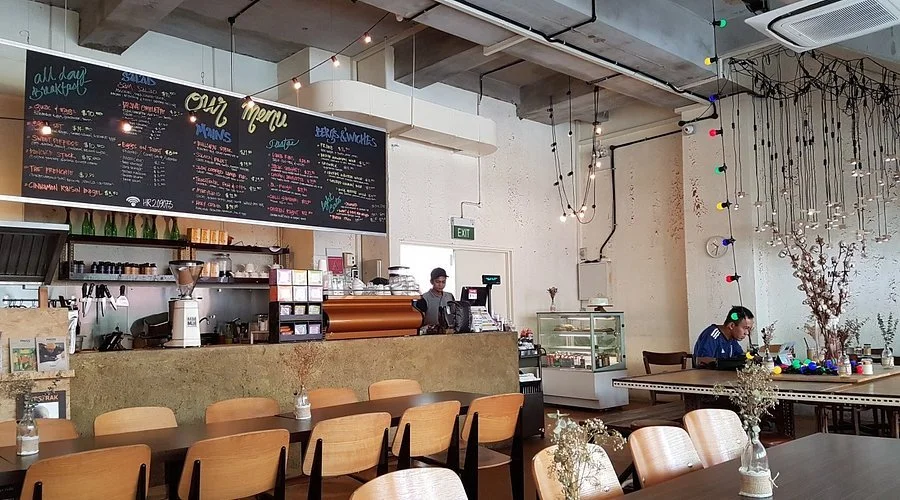
Café supplier deposits for café owners | Switchboard Finance
 ☕ supplier deposits · long-lead equipment · valuation timing · 2026 ·
Whitecoat Hub
☕ supplier deposits · long-lead equipment · valuation timing · 2026 ·
Whitecoat Hub
This is the café-specific deposit trap: you pay 20–40% to “secure the build slot” on espresso, refrigeration, extraction or fitout equipment — then the lender says they can’t fund “money already paid” until there’s delivery evidence and an identifiable asset. That’s how a normal upgrade turns into a surprise cash-in problem.
For broader café strategy and funding lanes, start with Café Supplier Terms & Finance in 2025 — How to Protect Your Cashflow. If this job is equipment-led, your clean approval lane is Equipment Finance.
1) The valuation trap (why “deposit paid” doesn’t count as security)
The core issue is simple: lenders fund identifiable assets, not promises. A supplier deposit is not an asset — it’s a prepayment. Until the equipment is delivered (or at least clearly allocated to you), the lender can’t rely on it as security if the file goes sideways.
This is why long-lead café items get hit hardest. Espresso machines, grinders, cold rooms, display fridges, extraction and commissioning often sit in a grey zone: “ordered” but not yet “owned in a verifiable way.” That timing gap is where the deposit blowout happens.
In practical terms: if you’ve already paid a big deposit, the lender may only fund the remaining balance on delivery — meaning you’ve unintentionally self-funded the riskiest part.
2) The 4 things the lender wants instead (what makes it fundable)
To avoid the trap, your job is to replace “deposit paid” with evidence that the equipment is real, allocated, and deliverable. The lender isn’t trying to be difficult — they’re trying to remove ambiguity.
If the supplier can provide clean identifiers, the file moves faster. If the supplier can’t (or won’t), you need to restructure the way you pay so you don’t get trapped in the gap.
Think of it as turning a vague purchase into a clearly defined Facility purpose with traceable evidence.
- Delivery evidence: expected delivery date + shipping/warehouse confirmation
- Asset identifiers: serial numbers / model numbers / unique build allocation (even “pending serial” is better than nothing)
- Tax invoice structure: clean line items (machine, grinder, fridge, extraction, install) and what’s included
- Install + commissioning scope: what is “equipment” vs what is “labour/works” (keep it clean)
3) The clean sequencing (how to stop the deposit blowout)
The fastest approvals come from sequencing, not persuasion. You want the lender’s money to be the first meaningful payment — not your cash disappearing weeks before the asset is verifiable.
That usually means changing the payment structure so the supplier is protected (they get comfort), but you’re not funding the risk. A small holding deposit is one thing; a giant prepayment on an unidentifiable asset is where problems start.
Use the sequence below. It keeps the asset story clean and prevents “we can’t fund money already paid” turning into a surprise condition.
| Step | What happens | What the lender can verify | What it prevents |
|---|---|---|---|
| 1. Quote locked | Supplier quote with exact models + install scope | Clean line items | “What are we funding?” confusion |
| 2. Deposit minimised | Hold deposit only (small, agreed) | Payment doesn’t distort the asset value | 20–40% cash-in surprise |
| 3. Allocation letter | Supplier confirms unit/build slot allocated | Identifiable supply commitment | “Deposit paid is not security” pushback |
| 4. Funding triggers | Lender funds on dispatch/delivery or final tax invoice | Asset is verifiable | Funding gap during lead time |
| 5. Install defined | Install/commissioning split clearly documented | Asset vs works separated | Valuation confusion + conditions |
4) The café-specific risk layer (seasonality + timing)
Cafés have an extra twist: revenue can be seasonal, and upgrades often happen right before peak periods. If your equipment arrives late, your revenue window and your repayment start can misalign — which creates extra scrutiny.
That’s why “timing proof” matters for cafés more than for many other industries. A lender wants to see that the business can handle a slower week, not just a hot weekend.
Don’t over-explain. Use two clean proofs: a short turnover snapshot and a plan that matches the equipment timeline.
- Turnover proof pack: one clean window so deposits make sense (POS + merchant + delivery)
- Timing note: “delivery ETA + install dates + when trading stabilises” in 5 lines
If your turnover proof is scattered, fix that first: Café Turnover Proof Pack (2026): The 9 Exports That Get You Approved Faster. If your upgrade is part of a broader growth plan, read: Café Fitout Financing in 2025 — How Owners Upgrade Without Burning Cash.
5) The “don’t do this” list (approval traps that cause deposit blowouts)
Most deposit blowouts are self-inflicted — not because you’re careless, but because suppliers and cafes move fast. These mistakes are common when you’re trying to lock inventory in a tight market.
The fix is simple: keep the asset identifiable, keep the invoice clean, and keep payment sequencing aligned to verification. If any of those are missing, you create valuation ambiguity.
Use this list as your final check before you transfer money.
- Paying 30–40% before allocation: “money paid” is not “asset secured”
- One messy invoice: equipment + install + “misc” bundled together
- No delivery/dispatch proof: lender can’t verify timing or identity
- Assuming lender will reimburse deposits: many won’t without strong evidence
- Changing suppliers mid-file: resets valuation and causes delays
The café valuation trap happens when you pay big deposits on long-lead equipment before the asset is verifiable. Lenders fund identifiable assets — so you avoid cash-in surprises by sequencing: clean quote, minimal deposit, allocation letter, then fund on dispatch/delivery with a clear tax invoice.
If you’re also proving revenue for the file, pair this with the turnover pack, and keep the equipment lane clean through Equipment Finance.
FAQ
Because a deposit is a prepayment, not a verifiable asset. Until the equipment is identifiable (allocated/dispatchable), it doesn’t behave like security in a credit assessment.
Allocation or delivery evidence plus a clean tax invoice structure: model numbers, defined install scope, and a clear funding trigger (dispatch/delivery) that matches the paperwork.
Keep deposits minimal until allocation is confirmed, then structure funding to occur on dispatch/delivery with identifiable equipment. If you pay big deposits early, the lender may only fund the remaining balance.
It can. If the equipment arrives late or trading is uneven, lenders may want clearer timing proof. A simple turnover proof pack plus a short timeline note usually reduces questions.
Keep it equipment-led with clean supplier documents and sequencing. The direct lane is Equipment Finance, then add turnover proof only if the lender needs verification support.
Disclaimer: This content is general information only and isn’t financial, legal, or tax advice.
