
How to Finance Cosmetic & Aesthetic Equipment (2025 Guide)
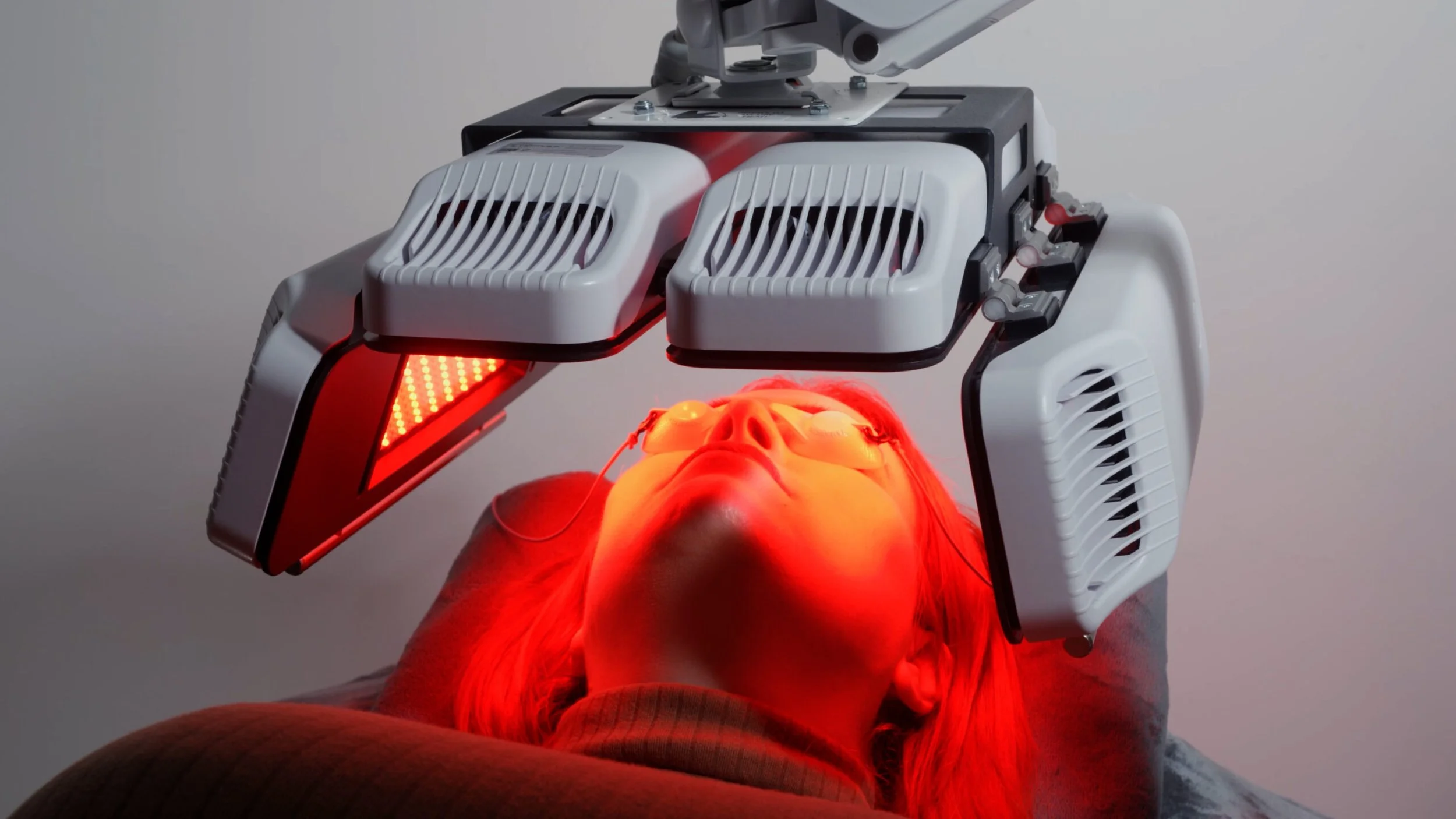
Cosmetic and aesthetic equipment finance 2025 – Switchboard Finance
Cosmetic and aesthetic devices are some of the most profitable investments a clinic can make in 2025 — often paying themselves off in months rather than years. With treatment demand rising across dermal, laser, injectables and body sculpting, clinics are upgrading equipment faster than ever using low doc finance instead of paying upfront.
This guide explains how GPs, dentists, cosmetic doctors, dermal clinicians, physios and allied health practices finance cosmetic equipment with simple approvals and cash flow-friendly structures.
Why Cosmetic Equipment Is Perfect for Finance in 2025
Cosmetic devices typically have:
- High ROI — many devices generate revenue from day one.
- Low running costs — consumables and maintenance are minimal.
- Strong demand — cosmetic treatments continue to grow year-on-year.
- Fast installation timelines — clinics can launch new services quickly.
Commonly financed devices range from lasers to RF, IPL, tattoo removal and body contouring systems.
Top Cosmetic & Aesthetic Devices Clinics Finance in 2025
| Device Type | Typical Cost | Common Loan |
|---|---|---|
| Laser Hair Removal | $40,000–$120,000 | Low Doc Equipment Finance |
| RF Skin Tightening | $30,000–$90,000 | Equipment Finance / LOC |
| IPL Systems | $20,000–$75,000 | Low Doc |
| Fractional / CO2 Lasers | $60,000–$180,000 | Full Doc or Low Doc |
| Body Sculpting Machines | $50,000–$150,000 | Equipment Finance |
| Tattoo Removal Lasers | $40,000–$110,000 | Low Doc |
| Dermal & Skin Analysis Devices | $8,000–$30,000 | Low Doc |
| Injectables Fridges + Dermal Tools | $2,000–$12,000 | Working Capital Loans |
For broader medical equipment comparisons, see: Top 10 Medical Devices Clinics Finance First (2025 Data).
How Low Doc Cosmetic Equipment Finance Works
Most aesthetic devices qualify under streamlined approval pathways. Typical requirements include:
- ABN active for 6–12 months
- Business bank statements
- BAS or turnover summary
- Supplier quote for the device
If you’re expanding during a clinic refurbishment, combine this with: Medical Fitout Finance 2025.
Best Loan Structures for Cosmetic Equipment
1. Equipment Finance (most common)
Used for lasers, RF, IPL, dermal devices and any fixed clinical asset.
2. Business Line of Credit
Great for multi-stage launches or clinics adding devices gradually. See Business Line of Credit.
3. Working Capital Loans
Covers consumables, injectables, software, training or marketing. Explore options: Working Capital Loans.
Should You Add Cosmetic Services to a Medical Clinic?
Many doctors add cosmetic services because treatment margins are high and equipment integrates easily into existing rooms. If you’re scaling a clinic, see: How Doctors Use Low Doc Loans to Expand a Clinic (2025).
Tax Considerations for Cosmetic Equipment
Most aesthetic devices qualify for depreciation under ATO rules. Always confirm the latest guidance with the ATO directly: ATO.
Cosmetic Equipment Finance FAQ
Ready to Finance Cosmetic & Aesthetic Equipment?
We’ll structure a cash-flow-friendly solution tailored to your clinic through the Whitecoat Growth Pack.
