
Why Managing Multiple Vehicle Loans Can Kill Your Cash Flow
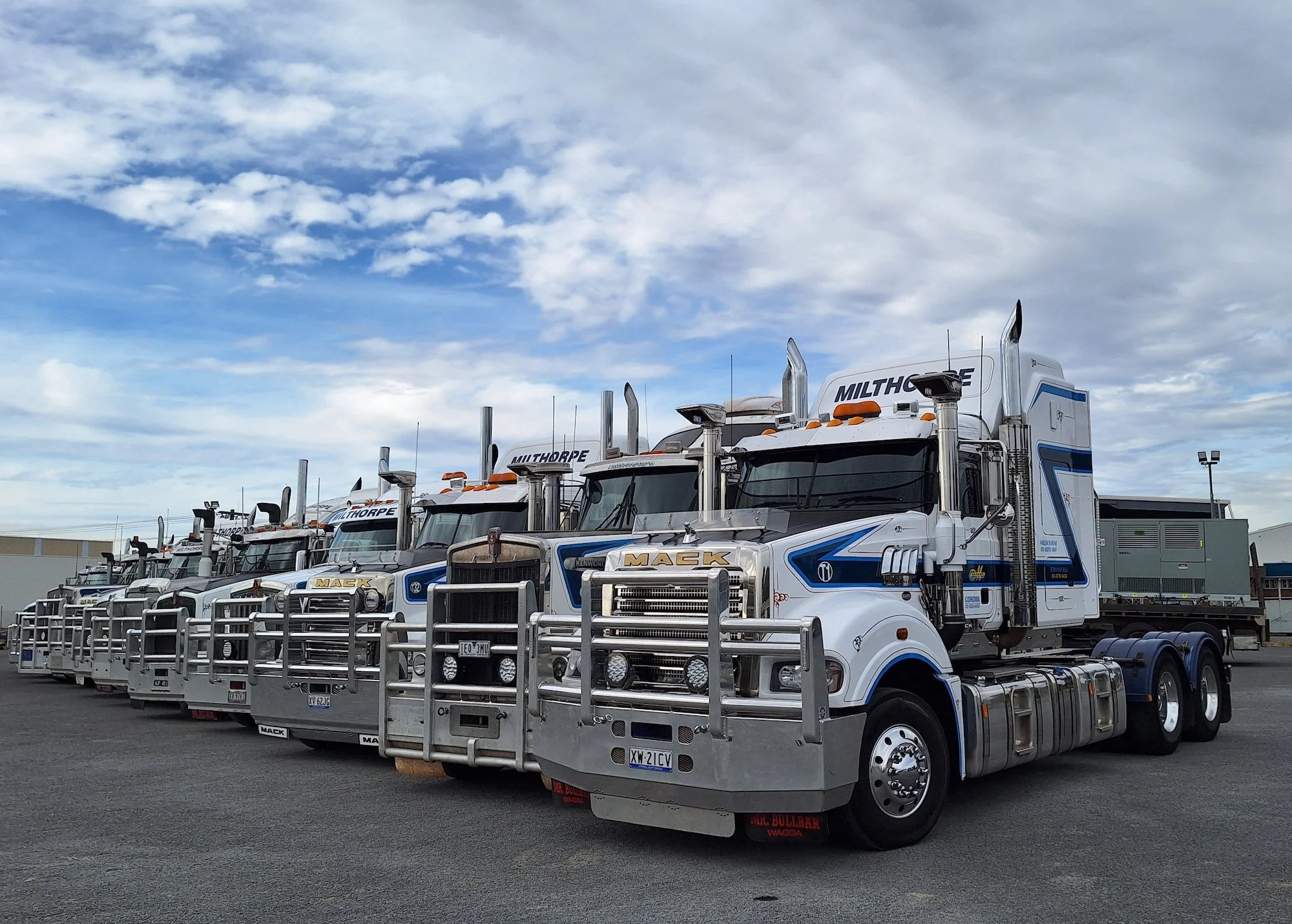
Why Managing Multiple Vehicle Loans Can Kill Your Cash Flow

Five trucks, five loans, five direct debits. Looks fine on paper, feels rough in the bank account. Here’s why — and what to do instead.
Cluster support: consolidate / restructure
If you’re here because the debits are chaotic and you want one clean facility, start with fleet restructure finance.
This page explains the cashflow pain. The restructure guide is the “what to do next” playbook.
Most operators start simple: one ute, one loan. Then you add a rigid, then a prime mover, maybe a trailer. Each dealer offers “easy finance” and suddenly your asset finance is spread across multiple lenders.
Different dates. Different rules. Same bank account getting hit at random times.
A proper fleet finance facility is often the clean-up move — the trucks don’t change, but how the money moves does.
🚧 The problem: loans all over the place
Over time you end up with mixed terms, mixed fees, and mixed repayment dates that don’t match when customers pay you.
One truck’s on a chattel mortgage, one has a balloon, one doesn’t. None of them care about your real-world timing.
- Repayments land on random days across the month
- Rates, terms and fees all slightly different
- No quick way to see what the whole fleet really costs
Meanwhile you’re still paying fuel, tyres, servicing and other OPEX.
💸 How multiple loans smash cashflow
Cashflow in transport is timing. Your costs hit like clockwork. Your loan payments should sit in that rhythm — not cut across it.
When five lenders dip in on different days, even strong work can feel tight until invoices clear and GST is sorted.
| Setup | What it feels like |
|---|---|
| 5 separate vehicle loans with mixed terms | Money in, money out, no clear pattern. You’re checking the account every morning. |
| 1 fleet facility, 1 repayment date | You know what’s leaving and when, so you can line up fuel, wages and tax ahead of time. |
The ATO’s cashflow guidance is simple: smoother outgoings make life easier. Random debits do the opposite. See ato.gov.au.
⚙️ The fix: one fleet facility, one plan
A fleet facility lets you roll multiple loans into one limit and one repayment cadence.
It can sit alongside a cashflow buffer like a Business Line of Credit, so repairs and short timing gaps don’t wreck your repayment schedule.
Whether you’re a sole trader with a few rigs or a growing fleet, the win is the same: less noise, more control.
- One repayment date – easier planning
- One lender + limit – simpler upgrades/add-ons
- Cleaner tracking – clearer fleet cost picture
Bigger picture: Business Cashflow System.
📊 Real fleet example (quick)
John ran eight vans with five separate loans across dealer finance and banks.
We moved him into one facility through our Vehicle Finance panel and aligned repayments to his main debtor cycle.
Result: less chaos, more breathing room to take the next contract.
- 8 vans under one structure, one monthly date
- More cash for tyres, servicing, and wages
- Less juggling, more focus on freight
💬 Why truckers use Switchboard Finance
We work with transport operators daily — from first upgrades to fleets cleaning up messy old deals.
Because we’re brokers, we can compare lenders and structures to match how your fleet actually runs.
We connect the fleet plan to your overall path — including Low Doc Vehicle Finance, Low Doc Asset Finance, and the Truckie Hub.
- Truck-focused lender panel (low-doc options where policy fits)
- Support for refinance, upgrades, and adding units
- Straight talk so you understand the trade-offs
Want a clean starting point? Truckie Loan Pack.
❓ Fleet finance FAQ
1) Can I roll my existing truck loans into one facility?
Often yes — the goal is one structure with fewer moving parts and a repayment cadence that matches your cycle.
2) What’s the minimum number of vehicles for a fleet facility?
Many lenders start at two vehicles. If you’re building up, you can finance individually, then consolidate later.
3) How does this affect tax?
Tax depends on structure (lease vs loan). Your accountant should confirm deductions; we focus on policy and approvals.
4) Can newer ABNs still qualify?
Sometimes — especially with strong experience and clean banking. Policy varies, so it’s deal-by-deal.
5) Is this only for big transport companies?
No — smaller fleets often feel the biggest difference because it instantly reduces repayment chaos.
