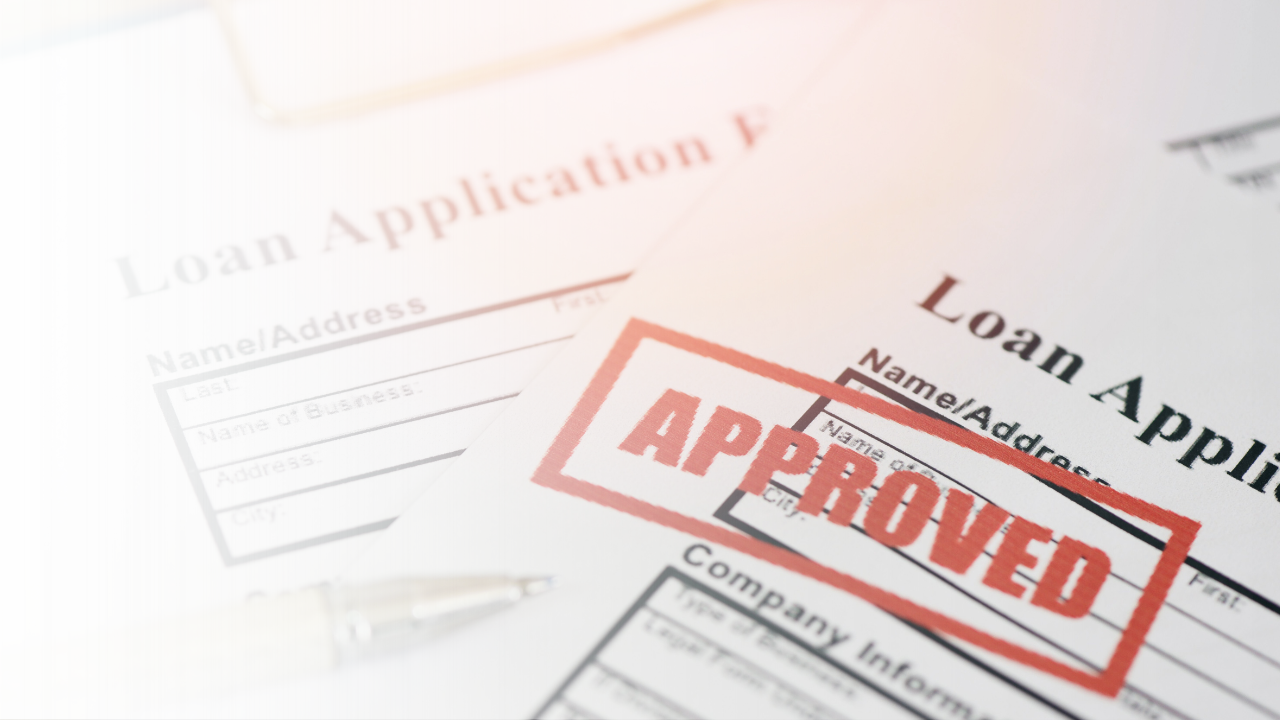
Low-Doc Equipment Loans: The Easiest Way to Finance Without Full Financials

Low doc equipment finance for ABN holders – Switchboard Finance

Low doc equipment finance for ABN holders – Switchboard Finance

Tradies · Utes, vans & work vehicles

Tradie Vehicle Finance Australia: Fast Ute & Van Loans for ABN Holders

Every tradie needs reliable wheels — whether it’s a ute, van or work truck. But buying outright can drain cash fast. That’s where smart Vehicle Finance through the business comes in.

At Switchboard Finance we help self-employed tradies on an ABN get into the right vehicle quickly using low-doc structures — similar to our Fast-Track Asset Finance and Low Doc Vehicle Finance for ABN Holders (2025 Guide).

2–3 minute form. No full tax returns upfront, no pressure to proceed.

Updated for 2025 Best for tradies with active ABNs Works with utes, vans & work trucks

How tradie vehicle finance actually works

Tradie vehicle finance is a business lending structure that lets self-employed tradies and contractors fund a ute, van or truck through the ABN instead of paying out of pocket. The vehicle is usually set up as a business asset and paid down over time from job income.

It can be structured to match your upgrade ladder — from first ute, to kitted-out van, through to a small crew or multi-vehicle setup. That’s the idea behind our Tradie Finance Australia: Loans, Tools & Ute Finance Made Simple cluster and the dedicated Tradie Hub.

Below is a simple comparison of three common ways tradies pay for vehicles.

Option How it works Best suited to
Pay cash Use savings to buy the vehicle outright. Tradies with large cash buffers who won’t stress if a big bill lands next week.
Dealer finance Finance arranged by the yard, usually on their terms. Quick for basic deals, but often less flexible on structure and future upgrades.
Brokered tradie vehicle finance Structured through a broker who compares lenders and products. Tradies wanting low-doc options, better cashflow control and a long-term upgrade plan.
For a deeper dive into when to take finance versus hold off, see Asset Finance for Growing SMEs: When to Buy vs Hold (2025 Guide).

Example

A Brisbane carpenter wants to upgrade from an old ute to a newer dual-cab with lockable canopy. Instead of emptying savings, he sets up a low-doc vehicle loan through his ABN. The repayments are matched to his monthly invoicing, and the vehicle is treated as a work asset rather than a personal toy.

Loan structures tradies use (and who they suit)

Most tradie vehicle deals fall into a few simple structures. The right one depends on how you run your books, who owns the vehicle and whether you plan to keep it for life or swap it out every few years.

We’ll map the structure to your accountant’s advice, not the other way around — especially if you’re also upgrading tools or trailers alongside the vehicle.

Common options include:

  • Chattel Mortgage — You own the vehicle from day one and claim interest and Depreciation (and possibly Instant Asset Write-Off where rules allow).
  • Commercial Hire Purchase — Hire the vehicle now, own it at the end once repayments are complete.
  • Finance Lease — The lender owns the vehicle; you lease it and usually have an option to buy at the end. This can be handy if you like refreshing vehicles regularly.
For more on how utes and vans compare from a finance and running-cost point of view, check Ute vs Van for Tradies — Which One Is Better for Finance, Tax & Running Costs?.

Example

A Sydney plumber chooses a chattel mortgage on a $58k ute, while his mate doing FIFO carpentry takes a finance lease on a van he plans to swap in three years. Both drive similar vehicles, but the structure is tailored to how long they plan to keep them and what their accountants want to claim.

Who tradie vehicle finance is ideal for

Tradie vehicle loans are built for self-employed sparkies, plumbers, chippies, landscapers and contractors who rely on their vehicle to generate income. If the wheels stop, the work stops.

It’s especially useful for ABN holders who don’t have perfect tax returns ready, or who are growing fast and want to keep cash in the business for materials, wages and emergencies.

Broadly, it suits tradies who:

  • Need a reliable ute or van to win jobs and show up on time.
  • Operate through an ABN and prefer a Low Doc Loan approach instead of full financials.
  • Are adding a second vehicle or starting to build a small crew fleet.
  • Want to get tax benefits while keeping day-to-day cash in the account.

Example

A Perth landscaper starts with one ute, then adds a second vehicle for a new team member. Instead of going back to the dealer each time, he uses the Tradie Loan Pack to structure both vehicles and a small equipment bundle under one clear plan.

Step-by-step: how tradie vehicle approvals work

The approval flow is similar to our Low Doc Vehicle Finance money page and the Fast-Track Asset Finance system — keep it simple, give lenders what they need once, and let the broker do the heavy lifting.

Behind the scenes, lenders are reading your Bank Statements and checking the business can comfortably handle the repayment alongside fuel, insurance and running costs.

A typical low-doc tradie vehicle approval looks like:

  • 1. Quick chat or online form: You share ABN details, basic income and the vehicle you’re chasing.
  • 2. Bank feeds + supporting info: Secure digital access so the lender can see real trading Cashflow.
  • 3. Lender match: We compare lenders, similar to how we stack them in Low Doc Business Loans vs Traditional Bank Loans (2025 Comparison).
  • 4. Approval (often 24–48 hours): Final checks, then approval and docs.
  • 5. Settlement & pickup: The lender pays the dealer, you pick up the vehicle.
If you’re also looking at future cashflow facilities, bookmark Business Loans for Tradies: How LOC, WCL & Invoice Finance Actually Work so your vehicle and working capital strategy stay aligned.

Example

A Melbourne electrician applies for a low-doc van upgrade on Monday, connects bank feeds the same day, and by Wednesday afternoon has formal approval and docs signed. The only “paperwork” he handled was the quote and ID — everything else ran digitally in the background.

Why tradies often finance instead of paying cash

Paying cash sounds simple, but in a trade business your vehicle isn’t just a cost — it’s a tool that helps you earn. Wiping out the account balance can leave you stuck when a quiet month or surprise bill lands.

Finance spreads the cost over the useful life of the vehicle so the ute or van can help pay for itself as you invoice. That’s the logic behind our broader 7 Business Costs You Didn’t Know You Could Finance framework.

Common benefits include:

  • Preserving cash for materials, wages, rego and emergencies.
  • Matching repayments to the job income the vehicle helps generate.
  • Access to potential tax benefits and ATO rules (with accountant advice).
  • Building business history for future Business Loans and upgrades.
If you’re already juggling an older ute and high running costs, line this up with Repair or Replace? 2025 Tradie Guide for Utes & Tools so you’re not throwing good money after bad.

Example

A Gold Coast painter has $30k in savings and needs a $45k ute. Instead of dropping almost everything into the vehicle, he finances it and keeps cash aside for a slow winter and a future trailer upgrade using the Trailer Finance for Tradies 2025 plan.

Simple ways to speed up your tradie vehicle approval

The fastest approvals don’t come from rushing — they come from being organised. A clear story, clean bank data and the right lender choice will almost always beat trying to pressure a bank at the last minute.

Think of it like setting up a job: once your tools, materials and schedule are sorted, the work itself runs smoothly.

To help lenders get comfortable quickly:

  • Know the vehicle you want (approx price, year, key extras).
  • Have online banking handy so we can connect read-only feeds.
  • Be upfront about how much is genuine work versus personal use (your Business Use %).
  • Keep an eye on your Credit Score and avoid unnecessary applications everywhere.
  • Talk to a broker who lives in the tradie space — the whole Tradie Cashflow Trap content cluster is built around that.
If you’ve had a few bumps in the past, start with the Rebuilder Roadmap: Using Asset Finance to Rebuild Your Credit Profile before you apply for a new vehicle. That way your next upgrade helps your file instead of hurting it.

Example

A Canberra sparky sends messy screenshots instead of live bank feeds and changes vehicle three times — his approval drags on for over a week. Another tradie sends one clear quote, connects feeds in five minutes and is approved in under 48 hours. Same income level, different level of prep.

Tradie vehicle finance: quick FAQs

Do I need perfect credit to get tradie vehicle finance? +
No. Lenders look at the whole picture — trading history, work pipeline and how you’ve handled past commitments. A strong Repayment History helps, but a couple of older hiccups don’t automatically mean no. The key is choosing the right lender and structure instead of forcing everything through a bank on a tight credit policy.
How long does my ABN need to be registered? +
Some lenders are comfortable from around 6–12 Months Trading as long as income is solid. Others prefer longer trading history for bigger vehicles or fleets. If your ABN is newer, we’ll pick lenders that are built for startup tradies instead of wasting time with the wrong credit team.
Can I finance a used ute or van, or does it have to be new? +
You can usually finance both new and used, but age and kilometres matter. Lenders may want a clean PPSR Check and a sensible remaining life on the vehicle. That’s why older high-km utes sometimes need a sharper structure or shorter term to get across the line.
How much can I borrow for a tradie vehicle? +
Limits depend on your turnover, other commitments and overall Borrowing Capacity. A single-ute tradie might only need a modest loan, while a growing crew could support multiple vehicles. We’ll map repayment size to your job pipeline so you’re not stretched every time fuel or insurance jumps.
Is it better to go direct to a dealer or through a broker? +
Dealer finance can be quick, but it usually only represents one panel of lenders and may not prioritise long-term Servicing and future upgrades. A broker looks at multiple lenders, your wider upgrade plan and how the deal will look in two or three years — not just how fast they can get you out of the showroom today.

If you’re a tradie planning your next ute or van, we can map out a simple finance plan that lines up with your jobs, tax and upgrade goals — not just the dealer’s sales target.

Previous
Previous

Fast-Track Asset Finance for ABN Holders: How to Get Approved in 24 Hours (No Full Financials)

Next
Next

Tradie Vehicle Finance Australia: Fast Ute & Van Loans for ABN Holders