
Medical Equipment Finance vs Leasing — Which Option Suits Your Practice?
Medical Equipment Finance vs Leasing
Medical Equipment Finance vs Leasing — Which Option Suits Your Practice?
When it comes to upgrading diagnostic tools or dental chairs, should you lease or finance? This guide breaks down the differences for medical professionals — from tax treatment to ownership control — so you can choose the structure that best suits your practice’s growth.
Why medical professionals are re-evaluating funding models
In Why Medical Professionals Are Using Asset Finance, we explored how structured repayments protect cashflow. But with equipment lifecycles shortening and technology evolving rapidly, many clinics now compare **leasing vs financing** to find the most strategic mix.
Finance vs leasing — the core differences
| Feature | Finance (Chattel Mortgage / Hire Purchase) | Operating Lease |
|---|---|---|
| Ownership | You own the equipment once the term ends. | Lessor retains ownership — you return or upgrade at expiry. |
| Balance Sheet Impact | Asset appears on balance sheet; may increase reported liabilities. | Often treated as an operating expense; may improve balance-sheet ratios. |
| Tax Treatment | Depreciation and interest usually deductible (ATO guidance). | Lease payments are typically 100% deductible as operating expenses. |
| End-of-Term Flexibility | Own outright or sell the asset for residual value. | Option to upgrade to new technology without selling existing equipment. |
When financing makes sense
Financing is ideal when you plan to keep the asset for its full useful life — such as permanent diagnostic machines, dental chairs, or fit-out investments. It also works well when combined with the ATO Asset Write-Off Rules for Medical Clinics (2025), allowing immediate or accelerated deductions for eligible purchases.
When leasing works better
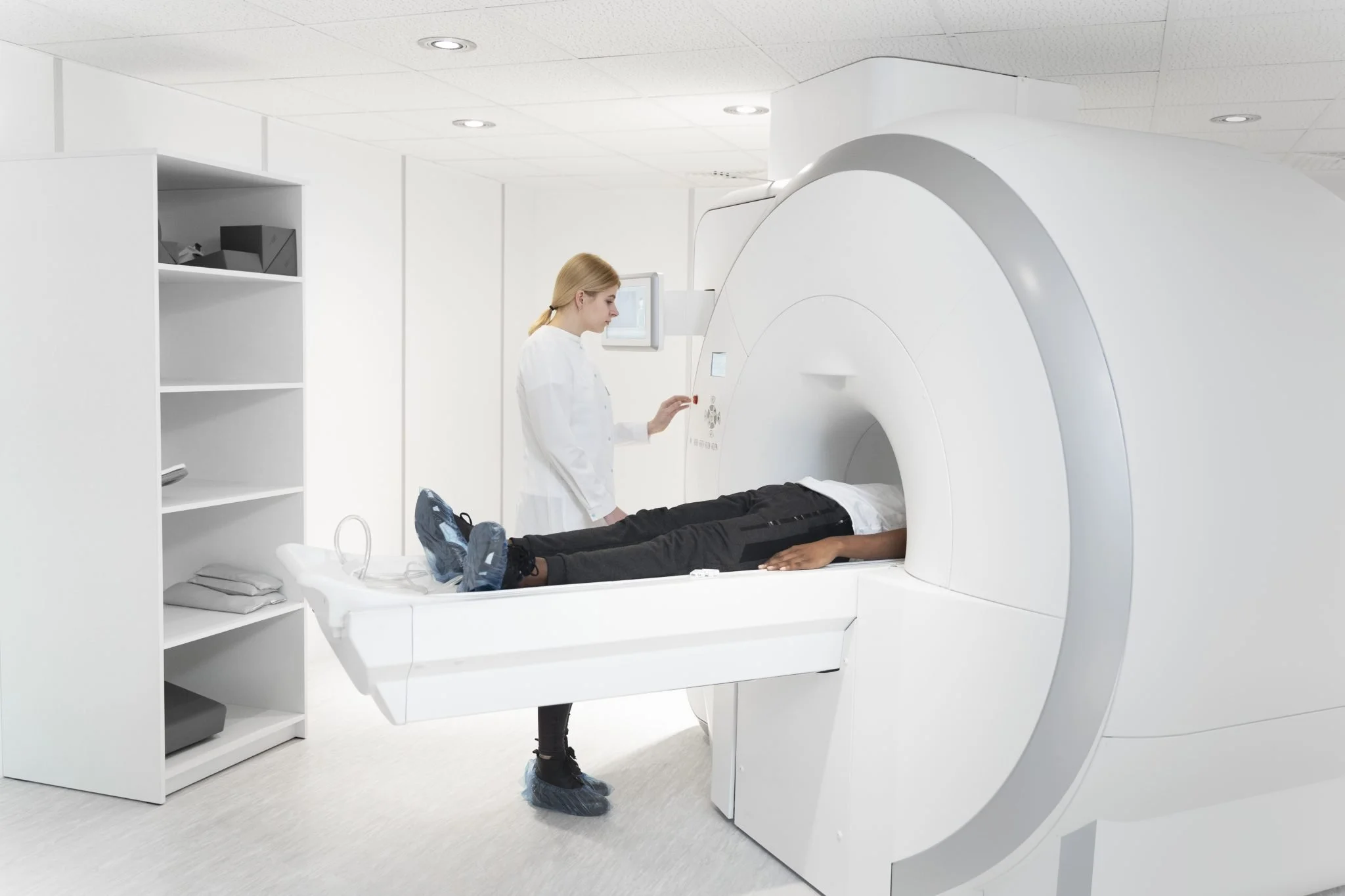
Leasing suits practices that need constant upgrades or operate mobile services. A lease keeps you current with the latest technology while avoiding resale logistics. For example, if your clinic refreshes imaging units every three years, a lease can sync payments with equipment lifecycle and avoid residual risk.
How to balance both strategies
Many healthcare practices combine financing and leasing within their Whitecoat Growth Pack. Core infrastructure might be financed for ownership value, while fast-evolving tools are leased. This blended approach maximises cashflow control and upgrade agility — something Switchboard Finance brokers tailor precisely to your clinic’s needs.
Practical steps before choosing
- List equipment lifespans — lease short-term tools, finance long-term assets.
- Compare total cost of ownership under each structure.
- Review tax eligibility using the ATO’s official depreciation rules.
- Speak to your broker about bundling these solutions for simpler management.
How Switchboard Finance helps
Our brokers understand how medical professionals think — precision, clarity and control. We structure finance that fits your equipment usage and clinic cycle while keeping you compliant and cashflow-ready. If you’re planning new purchases, explore the Whitecoat Pack or talk to our team today.
Talk to a Broker Explore the Whitecoat Pack
FAQ
- Can I switch from lease to finance mid-term?
- Yes, some providers allow a buyout or conversion to ownership once the minimum term is met.
- Does leasing affect my borrowing capacity?
- Usually not significantly; lease commitments are seen as operating expenses rather than liabilities.
- What if I need a mix of both?
- Many clinics blend finance and lease structures through Switchboard’s custom packages.
- How fast can approval happen?
- Typical turnaround is 24–48 hours once financials are submitted.
