
Medical Fitout Loans: Terms, Deposits & Security Rules for Clinic Renovations (2025 Guide)
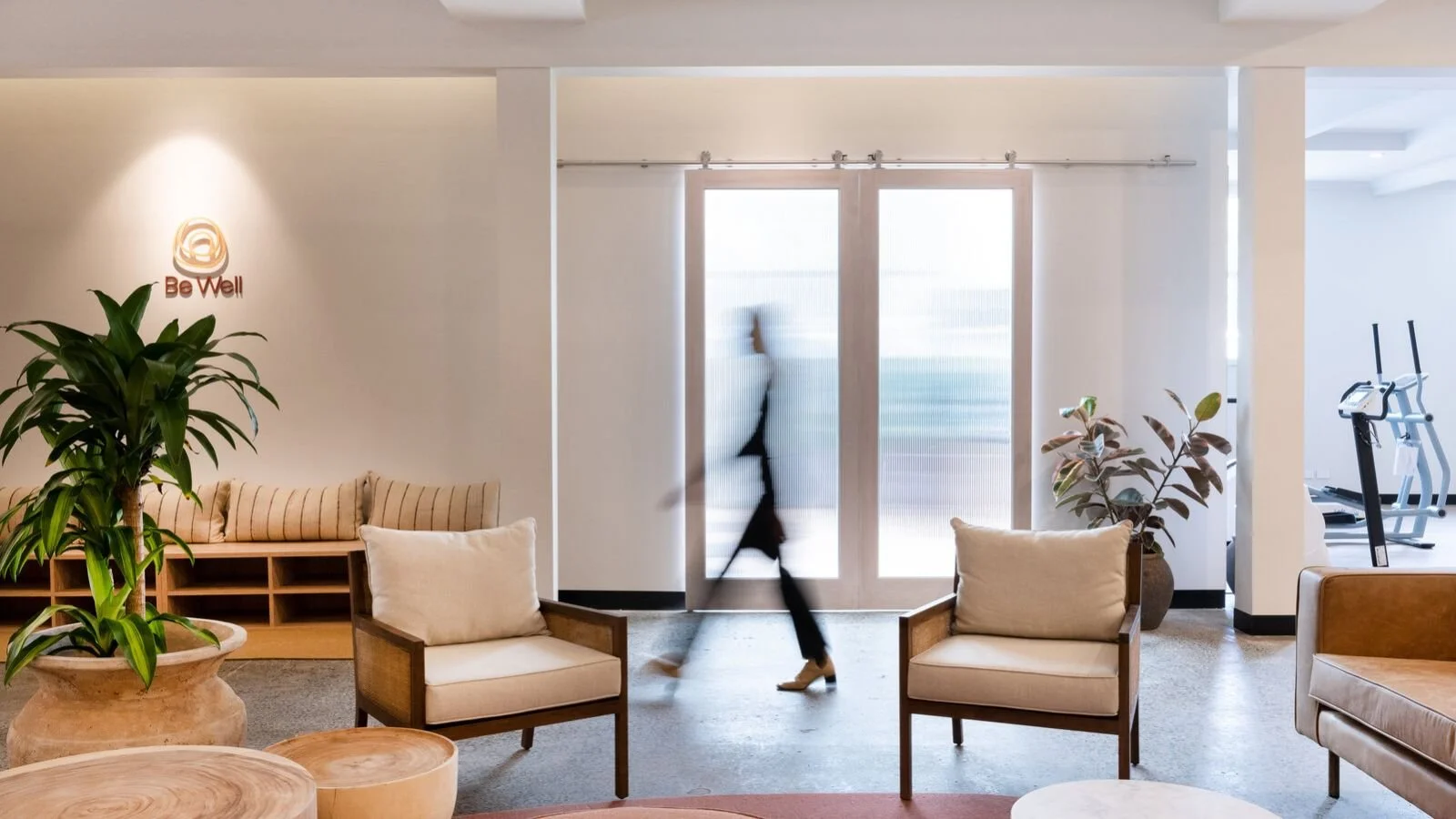
Medical fitout loans for clinic renovations – Switchboard Finance
Medical fitout loans: terms, deposits & security rules for clinic renovations
Renovating or expanding a clinic is exciting, but it can quietly choke cash flow for 6–18 months if the fitout is paid for upfront. A smarter path is using a well-structured fitout loan alongside asset finance for equipment, so repayments line up with patient revenue instead of builder invoices. If you’re still sketching ideas, the Whitecoat Finance Hub pulls together more ways to match clinic upgrades with cash flow.
How medical fitout loans are structured in Australia
A medical fitout loan is usually an unsecured or partly secured business facility used to cover construction, joinery, flooring, signage and other non-movable works in your clinic. Unlike a simple equipment loan, a fitout facility funds a staged project with multiple invoices and suppliers.
Lenders look at three levers first: how long you have traded under the ABN, how stable your billings are, and how the renovation will grow revenue or improve efficiency. Strong Whitecoat-style clinics with 2+ years trading and consistent Medicare/private billings will usually access sharper pricing and higher limits. We unpack this in more depth in our medical fitout finance guide if you want to zoom out before locking in builder contracts.
In practice, most clinics pair a dedicated fitout loan with separate equipment finance and a small cash buffer. This keeps the “walls and floors” on one timeline, the devices on another, and gives you breathing room if patient flow dips during or after the renovation.
- Fitout loans typically run on 3–7 year terms, matching the life of the physical improvements.
- Equipment is usually financed separately on 3–5 year facilities, often with different tax treatment.
- Many lenders will allow progress drawdowns so you only start paying interest as each stage is completed.
A simple framework for clinics is to treat the project as three “buckets”: fitout, equipment and cash buffer. You finance each bucket differently, but design the overall monthly commitment to sit comfortably inside a conservative percentage of average monthly billings.
- Bucket 1 – Fitout works: joinery, walls, flooring, lighting, signage.
- Bucket 2 – Equipment: devices, chairs, imaging, sterilisation.
- Bucket 3 – Buffer: working capital to cover wages, rent and marketing.
A dental clinic in Melbourne planned a $420k renovation: $260k fitout, $130k equipment and a $30k cash buffer. We split this into a 7-year fitout loan, separate 5-year equipment facilities and a small working capital loan. The combined repayments were designed to sit under 18% of their average monthly billings, giving the practice room to absorb a few quiet months without stress.
Deposits, security and how lenders stay comfortable
Unlike a single piece of equipment, a fitout can’t be removed and resold easily, so lenders think more like a business banker than a traditional asset financier. They’re trying to work out how committed you are to the site and whether you have “skin in the game”.
Many medical fitout loans sit in the 0–20% deposit range, depending on the project size and your trading history. Strong, stable clinics with long lease terms and clear growth plans can often fund 100% of the works; newer practices or ambitious expansions may be asked to contribute some cash or accept additional security.
Security can be as simple as a director’s guarantee, or it may involve a second mortgage over property if the total exposure is higher. The key is to match the amount of security you offer to the realistic upside of the renovation, so you’re not over-pledging your personal balance sheet for marginal improvements.
- Lease term and options should comfortably outlast the loan term.
- Lenders prefer staged builder contracts with clear milestones, not vague estimates.
- Your business loan position and other obligations still matter — they all draw from the same cash flow.
A useful way to sanity-check a proposal is to ask: “If revenue only grows halfway to our forecast, are we still happy with the security we’ve offered?” If the answer is no, the scope or funding mix probably needs adjustment. Sometimes trimming the wish list or shifting some costs into an equipment facility can restore balance.
- Align the fitout loan term to the remaining lease plus options.
- Use a modest business line of credit for soft costs and contingency.
- Ring-fence personal property security for only the portion of debt that truly needs it.
A GP group wanted a 100% funded $350k fitout on a site with only four years left on the lease and no options. The lender was nervous. By negotiating an extra five-year option with the landlord and contributing a 10% cash deposit, the clinic secured approval without needing to increase the mortgage on the practice owner’s home.
Designing a finance mix that doesn’t choke clinic cash flow
Great clinics think of renovation finance as a system rather than a single loan. The aim is to combine a fitout facility, equipment finance and short-term cash support so the repayment profile follows your patient ramp-up, not the builder’s timeline.
A common pattern is to settle the fitout loan first, then progressively draw down on equipment facilities as each device is installed and calibrated. On top of that, many clinics keep a small invoice finance or working capital facility in the background to smooth Medicare/private health receipts.
Structuring correctly also protects your future borrowing capacity. By keeping equipment separated from the fitout, you can upgrade or add devices later without disturbing the underlying renovation facility, which is especially helpful for rapidly growing specialties like aesthetics, dental or imaging.
- Keep the combined monthly commitment below a conservative % of average monthly billings.
- Use interest-only or reduced repayments during construction if the lender allows it.
- Schedule a review point 12–18 months after opening to check whether the structure still fits.
Think of the end state first: how many consult rooms, chairs or treatment rooms, and what level of daily throughput do you realistically want? From there, you and your broker can reverse-engineer how much fitout and equipment spend your clinic can safely carry, and which mix of products — including business loans and low doc asset finance — is the least risky way to get there.
A specialist practice added three extra consult rooms and a minor procedure room. Instead of maxing out one big loan, we split the project into a $220k fitout facility, $160k of staged equipment finance and a $50k Whitecoat Growth Pack style cashflow buffer. The clinic kept headroom for future device upgrades and never had to pause marketing due to renovation costs.
If you’re mapping out a medical fitout in 2025, we can help you design the mix of fitout loans, equipment finance and cashflow support before you sign builder contracts. That way, your repayments fit your patient growth curve — not the other way around.
Medical fitout loan FAQs
These are the questions doctors and practice managers ask most when they’re planning a clinic renovation. Each answer is written for real-world decisions, not textbook theory.
Most lenders prefer to keep “hard” and “soft” assets separate. Built-in works such as walls, plumbing and flooring usually sit inside a fitout or unsecured business facility, while movable items like treatment chairs or sterilisers can sometimes be funded under a chattel mortgage. Your broker will map each line item to the right product so you don’t end up with a messy mix that’s hard to refinance later.
A finance lease is generally used for movable equipment, where the lender technically owns the asset and you lease it for an agreed term. A fitout loan is more like a business loan for works that are bolted to the building. Using each option for the right slice of the project can improve tax treatment and make it easier to upgrade devices later without disturbing the core renovation finance.
Some clinics use an operating lease for high-tech devices that are likely to be replaced every few years, especially in imaging or aesthetics. You’re effectively renting the equipment rather than owning it outright. It’s rarely used for the core fitout itself, but it can sit alongside a fitout loan to keep your diagnostic or cosmetic technology on a faster upgrade cycle.
Balloon structures are more common on vehicles than renovations. A large balloon payment at the end of a fitout loan can lower monthly repayments, but it also creates a lump-sum problem in a few years’ time. Most clinics prefer level repayments or only a modest final amount so they aren’t forced into refinancing if the market or landlord situation changes.
A good rule of thumb is to align the loan term with both your lease (including options) and the realistic residual value of the works. If you expect to refresh the clinic in 7–8 years, a 5–7 year term usually keeps you out of negative equity. Going much longer can mean still paying off the old fitout just as you’re planning the next upgrade.
