
Owner-Driver Finance Beyond the Chattel Mortgage (2026)
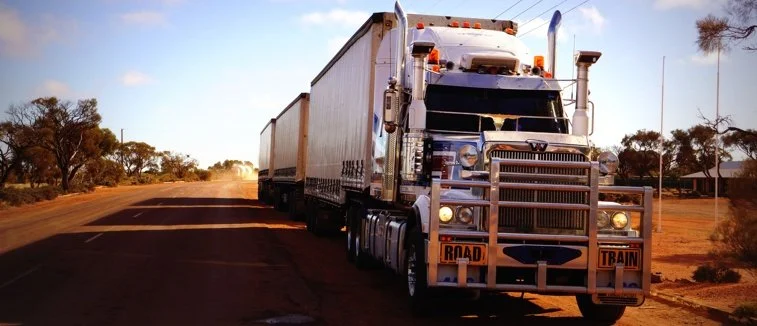
Owner-driver finance stack beyond chattel mortgage, private lending, caveat loans, business loans, One Doc home loans - Switchboard Finance
 Truckie Hub
Owner-Driver · Private Lending · Caveat Loans · Business Loans · One Doc Home Loans
Owner-Driver Finance Beyond the Chattel Mortgage (2026)
What product covers the depot bond, the compliance audit, the truck-replacement deposit and the family home loan? Not one. Five. Owner-drivers who scale stop treating finance as a single product and start building a stack, chattel mortgage for the asset, private lending for speed, caveat loans for bridging, business loans for working capital, and a One Doc home loan to separate business debt from the family home.
Quick Answer
A chattel mortgage handles the truck. Everything else in your operation, depot bonds, fleet emergencies, compliance costs, contract mobilisation, the family home, needs a different product. This guide maps the full owner-driver finance stack so you know what to prepare before you apply.
What Else Is Available Beyond a Chattel Mortgage?
If someone asked you to name a truck finance product, you would say chattel mortgage. Most owner-drivers would. It is the default, and for good reason. It handles asset acquisition cleanly: ownership from day one, GST credit on the next BAS, depreciation from settlement. The truckie hub covers the mechanics in detail.
But a chattel mortgage only solves one problem: buying or refinancing the truck itself. It does not cover the depot bond you need before a new contract starts. It does not cover the compliance upgrade your fleet needs before a customer audit or chain-of-responsibility review flags a gap. It does not cover the gap between selling a truck and settling on its replacement. And it does not stop your home loan from being assessed against every dollar of truck debt on your balance sheet.
Owner-drivers who treat finance as a single product end up borrowing the wrong amount on the wrong terms for the wrong purpose. This guide maps the five products that cover the full operation, and what you need to have ready before you apply for each one.
Private Lending: When Speed Matters More Than Rate
Private lending settles in days, not weeks. For an owner-driver, that speed solves a specific set of problems that no bank product can reach: a depot bond due before a new contract starts, an ATO debt that needs clearing before a truck approval can proceed, or a settlement gap where your outgoing truck sale completes after the new purchase is due.
The cost is higher than a standard facility, indicative rates vary widely by lender, security type, and term length. But the comparison is not private lending versus a bank loan. The comparison is private lending versus losing the contract because you could not mobilise in time. For transport operators with property equity, a private loan secured against residential or commercial property provides rapid access to capital without touching the truck asset.
What you need before applying: a clear exit strategy (how you will repay within 3–12 months), evidence of property equity (recent valuation or rates notice), and the specific purpose for the funds. Lenders in this space care less about your BAS history and more about whether you can demonstrate a realistic exit.
Caveat Loans: 48-Hour Bridging for Fleet Emergencies
A caveat loan places a legal interest on your property title and settles within 24 to 48 hours. For fleet operators, this covers the scenario where a truck breaks down, the replacement is available now, and the insurance payout or sale proceeds from the damaged unit will not land for another 4–6 weeks.
The term is short, typically 1 to 6 months. The purpose is bridging, not long-term finance. You draw the funds, solve the immediate problem, and repay when the expected cashflow arrives. See the caveat loan glossary entry for how the legal mechanism works and what the property title implications are.
What you need before applying: property ownership (residential or commercial), a clear repayment source (incoming settlement, insurance payout, contract payment), and an understanding that this is a short-term facility with costs that reflect the speed and flexibility.
Business Loans: Working Capital Without Touching the Truck
A business loan or line of credit covers the operational costs that sit outside asset finance: fuel during ramp-up on a new contract, Safety Management System implementation aligned with the NHVR's 2026 Master Code, insurance premiums, or the gap between invoicing a freight customer and receiving payment.
For owner-drivers, the key distinction is secured versus unsecured. A secured business loan against property offers lower rates and higher limits. An unsecured facility is faster and requires no asset security, but the amounts are smaller and the cost is higher. Most operators carrying existing truck debt benefit from an unsecured line of credit that does not add another security interest to their balance sheet.
Sweet Spot: When a Business Loan Fits an Owner-Driver
- Fuel and operating costs during the first 60 days of a new contract
- NHVR Safety Management System setup and compliance audit costs
- Insurance premium funding when annual renewal lands in a tight quarter
- Bridging the gap between invoicing and payment on 30-day freight terms
- Tyre replacements, registration renewals, and scheduled maintenance across a multi-truck fleet
What you need before applying: 6+ months of business bank statements, current BAS lodgements, evidence of the specific purpose (contract offer, invoice, compliance notice), and a clear picture of how the facility fits alongside your existing truck finance. Fleet finance structures often bundle a line of credit with the asset facility, ask your broker about packaging.
One Doc Home Loans: Separating the Truck From the House
Every dollar of truck debt on your balance sheet reduces how much a home loan lender says you can borrow. A One Doc home loan changes the assessment method: instead of requiring two years of tax returns that show income reduced by depreciation and interest deductions, the lender uses a single document, typically an accountant's letter confirming your gross business revenue.
For owner-drivers, this is the product that stops truck finance from blocking the family home. If your taxable income looks low because your accountant has legitimately maximised deductions (depreciation on the prime mover, interest on the chattel mortgage, fuel, insurance, maintenance), a One Doc assessment sees through those deductions to the actual revenue your operation generates.
What you need before applying: an accountant willing to certify a letter confirming your business income, 12 months of business bank statements showing consistent revenue, current BAS, and a clear separation between personal and business finances. Your broker maps the truck debt position first, then structures the home loan application to sit alongside it. Talk to a broker about timing, the order you apply for these products matters.
The Order You Apply Matters
Finance stacking is not about having five products at once. It is about knowing which product to apply for first, and how each approval affects the next. A balloon payment on your chattel mortgage changes your servicing calculation for a home loan. A caveat on your property title changes how a private lender views your equity. A line of credit sitting at zero still counts as a liability on most lender assessments.
The general sequencing for owner-drivers building a full finance stack: truck first (chattel mortgage), then home loan (One Doc, before adding more business debt), then working capital (line of credit or business loan sized to the operation), and private lending or caveat loans only when a specific, time-sensitive need arises. This is not a rigid rule, circumstances dictate the order, but applying for a business loan before your home loan can reduce your borrowing capacity on the home by the full facility limit, even if you have not drawn a dollar.
A broker who understands how truckie finance structures interact can map the sequencing before you lodge anything. The wrong order costs more than the wrong rate.
A chattel mortgage handles the truck. Private lending handles speed, depot bonds, ATO clearances, settlement gaps. Caveat loans handle 48-hour bridging when a fleet emergency cannot wait. Business loans handle working capital, fuel, compliance, payment gaps. A One Doc home loan handles the family home without letting truck depreciation kill your borrowing capacity. Five products, five different purposes, one broker who maps them across your operation.
Key takeaway: The chattel mortgage is the foundation, not the ceiling. The operators who scale build a stack, and the order you apply in matters as much as the products you choose.Frequently Asked Questions
Most private lending products require property security, residential or commercial real estate that the lender places a mortgage or caveat against. Owner-drivers without property can access unsecured business loans instead, though the amounts are smaller and the cost is higher. If you own the truck outright (no existing chattel mortgage), some specialist funders will consider a low doc secured facility against the vehicle asset, though this is uncommon for private lending specifically.
Yes. A caveat registered on your property title is visible to any lender conducting a title search. Most home loan assessors will require the caveat to be discharged before approving a new mortgage, or at minimum, they will factor the caveat debt into their serviceability calculation. This is why sequencing matters: if a home loan is on your horizon, clear the caveat before you lodge the application. Your broker should map this timing for you. See the caveat loan exit strategy guide for planning the repayment path.
A business loan provides a lump sum with fixed repayments over a set term, you draw the full amount at settlement and repay it over 1–5 years. A line of credit provides a facility limit you draw against as needed, and you only pay interest on the drawn balance. For owner-drivers, a line of credit suits ongoing operational costs (fuel, maintenance, payment gaps) because you draw and repay in cycles. A business loan suits one-off costs with a defined amount, such as a compliance upgrade or insurance premium lump sum. Both are available through the truckie loan pack.
Truck depreciation reduces your taxable income on paper, which reduces how much a standard home loan lender says you can borrow. A One Doc home loan bypasses this by assessing income from a single document, typically an accountant's letter certifying gross revenue, rather than tax returns showing the depreciation-reduced figure. The lender adds back depreciation, truck interest, and other non-cash deductions to arrive at a borrowing capacity that reflects actual business cashflow. This is the core mechanism that makes One Doc essential for owner-drivers carrying heavy depreciating assets.
If the truck is essential to generating income (you cannot work without it), finance the truck first. The home loan lender needs to see your income capacity, and that income comes from operating the truck. Once the chattel mortgage is settled and you have 6–12 months of trading history with the new asset, lodge the One Doc home loan application. The reverse order, home loan first, can work if you already have an existing vehicle generating revenue, but adding truck debt after the home loan changes your servicing position and may require a reassessment. A broker who understands the truckie finance landscape will map the optimal sequence for your specific situation.

 FBAA Accredited
