
SMSF Commercial Property Loans: What Your Fund Can and Can't Buy in 2026
SMSF commercial property loans for self-managed super fund trustees – Switchboard Finance
 Myth Buster #8
SMSF Commercial Property Loans: What Your Fund Can and Can't Buy in 2026
What an SMSF Commercial Property Loan Actually Is
An SMSF commercial property loan is not a standard commercial mortgage. It's a debt facility structured through a bare trust — a legal wrapper that isolates the borrowed funds from the fund itself, protecting the SMSF's exempt status under SMSF investment rules.
Here's how it works: Your SMSF (the trustee) cannot directly borrow. Instead, a bare trust buys the property using borrowed funds. The SMSF then holds units in the bare trust. When you service the debt and the property appreciates, both the debt repayment and the asset growth flow back to your fund.
The key friction point: lenders assess this structure as higher risk than standard commercial loans. There's no recourse to the fund's assets if the property deal sours — only to the property itself. This drives up pricing and pushes down LVR limits.
What Passes ✓
- Office buildings and suites
- Retail frontages (if occupied)
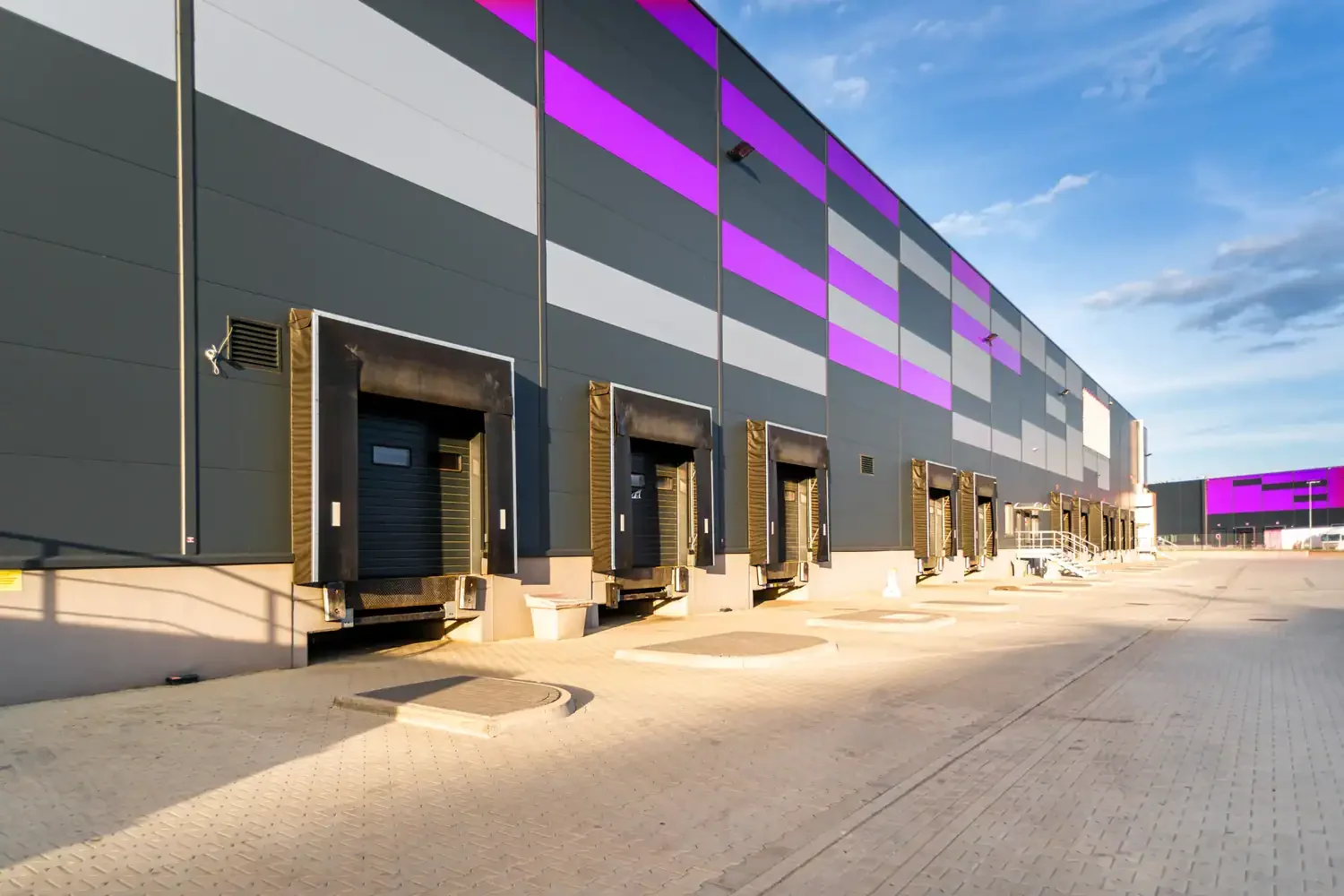
- Industrial sheds and warehouses
- Hybrid assets with clear investment purpose
- Property with existing tenant base
What Fails ✗
- Bare land without development approval
- Properties held for trading/resale
- Mixed-use assets with residential >50%
- Properties you manage or occupy yourself
- Assets that breach sole purpose test
What Types of Property Your Fund Can and Can't Buy
Not every commercial property is SMSF-friendly. The law (via the sole purpose test) and lender appetite both constrain what's acquirable. A property must exist to build retirement income — nothing more.
Office and light industrial are safest bets. Retail can work if there's a creditworthy tenant locked in. Development sites and bare land are harder because they generate no cash flow during construction and signal speculative intent (which can breach sole purpose). Mixed-use assets walk a fine line: if residential exceeds 50% of the purchase price or floor space, many lenders and tax advisors flag sole purpose risk.
| Property Type | SMSF Friendly? | Why / Why Not |
|---|---|---|
| Standalone office block | Yes | Stable rental income, clear investment intent, no sole purpose friction |
| Retail shopping centre | Yes (with tenant) | Works if multi-tenant or single creditworthy anchor tenant; vacancy is risky |
| Industrial warehouse | Yes | Strong cash flow, low sole purpose risk, high lender appetite |
| Development site (no DA) | No | Zero income, speculative profile, sole purpose test exposure |
| Bare land | No | No rental income, trading intent suspected, most lenders decline |
| Mixed-use (office + residential) | Conditional | OK if residential <50%; above 50% triggers sole purpose and lender caution |
| Property you occupy | No | Sole purpose breach: personal benefit to trustee, not fund-only retirement income |
LVR Limits and How SMSF Lending Differs from Standard Commercial
A standard commercial loan often runs 70–80% LVR (loan-to-value). SMSF property loans are constrained to 60–70%, and pricing reflects the bare trust structure and regulatory risk.
Why the gap? Lenders see SMSF transactions as harder to enforce, slower to recover and legally complex. If a standard commercial borrower defaults, the lender has recourse to the business, directors, guarantees. With an SMSF bare trust, the only security is the property deed. That friction pushes rates up (typically 1–2% above comparable office/industrial deals) and LVRs down.
Capitalised interest (interest added to the loan balance rather than paid from cash flow) is common on SMSF deals because retail rental income often doesn't service full debt payments in year one. Check whether interest is capitalised or paid in cash — capitalised interest compounds the debt and may breach fund contribution caps over time.
Division 296 changes loom for 2026. If your SMSF balance exceeds $3 million, extra tax applies to earnings above that threshold. A large property purchase can rapidly push you past $3M, triggering additional compliance costs. Factor this into your deal structure early.
Common Mistakes Trustees Make
Sole purpose test breaches are the most expensive mistake. A trustee who borrows for the fund but uses the property personally — or allows a director's family to live in part of the asset — has crossed the line. The ATO can disqualify the fund, trigger immediate tax on all assets and impose penalties.
Related-party sales are another trap. Selling a property you own personally to the SMSF via a bare trust can trigger sole purpose questions if the price is off-market or if you retain any control. Similarly, the SMSF cannot borrow from a related party at non-arm's-length rates; the debt itself becomes a breach.
Renovation and improvement costs post-purchase often surprise trustees. The fund must fund all capex directly — you cannot borrow for renovations, and low-doc lenders rarely allow post-purchase facility drawdowns. Plan your acquisition price to include known improvements.
How This Fits into Switchboard's Lending Network
SMSF property finance is a specialist field. Not all lenders touch it; those who do demand detailed documentation (fund deed, tax returns, actuary certificates) and trust your accountant's sign-off on sole purpose. Switchboard brokers source these deals from non-bank lenders, private funders and smaller banks willing to take bare trust risk.
If your SMSF is also borrowing for other purposes — say, a ute for a sideline business or equipment for trading — the fund structure becomes even more critical. A fund with mixed-asset debt can breach sole purpose if one leg of borrowing is investment and another is not. See how business loans and private lending structures complement property debt.
Related links: Development Finance, Second Mortgages and Business Loans, Commercial Property Loans (money page).
SMSF commercial property loans unlock real estate for self-managed super funds — but the bare trust structure, LVR caps and sole purpose test demand precision in setup. Bare land, related-party purchases and personal property use are mines to avoid. Work with a broker who knows the lender landscape and an accountant who audits sole purpose regularly. The difference between a clean $2 million property acquisition and a disqualified fund lies in structure, not in intent.
Frequently Asked Questions
SMSFs cannot borrow directly. The law (Superannuation Industry (Supervision) Act 1993) prohibits funds from holding in-house assets acquired with debt. A bare trust (an interposed entity) holds the property and the debt; your SMSF then holds units in the bare trust. This wrapper preserves the fund's exempt status and protects it from being classified as in-house. See the ATO's SMSF investment rules for full detail.
Loan-to-value ratios for SMSF property deals vary by lender and asset class, but most range from 60–70%. Stable tenanted office and industrial properties sit at the higher end. Development sites and bare land typically receive no lending. Rates are usually 1–2% higher than comparable mainstream commercial deals, reflecting bare trust complexity and recourse-only security.
Correct. The sole purpose test mandates that the fund hold the asset solely for retirement income. You cannot occupy, farm, trade from or personally benefit from the property in any way. Even allowing a family member to use a corner office or live in a portion triggers a breach. The property must generate income (rent) that flows entirely to the fund. Personal use — even incidental — disqualifies the fund.
From 1 July 2026 (proposed), SMSFs with balances over $3 million face Division 296 tax on earnings above that threshold. A large property acquisition can push you into this bracket. You'll need to file updated returns, pay additional tax, and potentially restructure the fund to split assets or contributions. Plan property purchases with your accountant's input on post-acquisition SMSF balance projections and Division 296 exposure.
Technically yes, but it's fraught. The property must be acquired at arm's-length value (market price), and the transaction must not breach related-party rules under Superannuation Industry (Supervision) Act. Most lenders decline related-party acquisitions entirely or require independent valuations, legal sign-offs and accountant certification. The ATO scrutinises these deals for sole purpose and in-house asset breaches. Avoid if possible; if necessary, obtain full legal and tax advice upfront.

 FBAA Accredited
