
Transport Compliance Proof Pack (2026): Docs That Speed Up Truck Finance
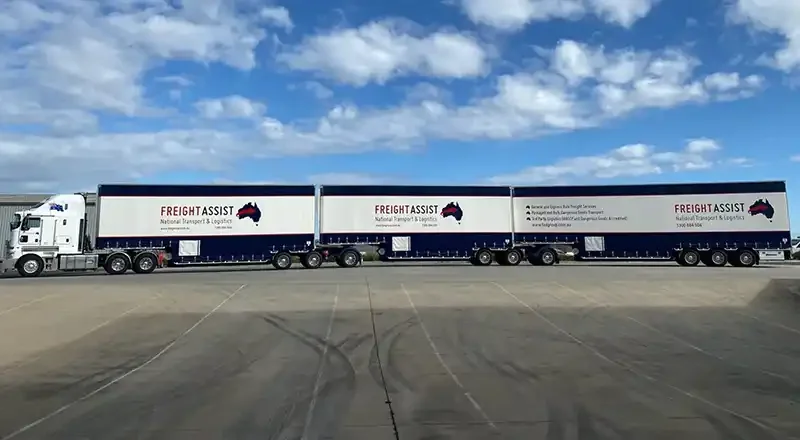
Transport compliance proof pack for truckers and owner-drivers | Switchboard Finance
 Insights · Trucker / Transport
Transport Compliance Proof Pack (2026): NHVR, Fatigue, Maintenance + CoR Docs That Speed Up Truck Finance
Truckers, owner-drivers, transport businesses and logistics fleets don’t usually get stuck on “credit” — they get stuck on confidence. If the lender can’t see how you manage fatigue, maintenance and chain-of-responsibility (CoR), your truck finance file slows down (or gets sized down).
This is the Day 0 compliance folder: what to send first so the assessor doesn’t have to guess how your operation runs week-to-week — especially when cashflow is lumpy because of docket-to-pay timing. (Yes, the “truckie” world is fast — but lenders still want structure.)
Send one folder that proves: (1) who you are, (2) how you operate safely, (3) how you maintain assets, and (4) how you control compliance. Missing any item usually triggers a follow-up — and your file pauses. Include your entity basics once (your ABN and trading name) so matching is clean.
| Pack section | What to include (Day 0) | What it proves | If missing |
|---|---|---|---|
| CoR & safety | CoR policy / safety manual excerpt (key pages), incident register (if any), subcontractor onboarding checklist (if used) | Operational control + risk discipline | Risk questions → slower review |
| Fatigue | Fatigue management plan, sample roster / shift pattern, training record summary (1 page) | Fatigue risk is managed (not assumed) | Assessor asks “how do you run shifts?” |
| Maintenance | Maintenance schedule, last 3 service invoices, tyre/brake checklist (or workshop statement) | Asset reliability + downtime control | Higher perceived downtime risk |
| Insurance & claims | Current certificate of currency, claims summary (if applicable), driver licence register snippet | Insurable operation + governance | Delays until coverage is confirmed |
| Customer & lane reality | Top 3 customer list (one line each), typical lane type (metro / linehaul), sample docket-to-pay cycle notes (2–3 lines) | How revenue actually happens | “Explain trading” follow-up |
1) Why compliance proof speeds approvals (even when numbers are fine)
In transport and logistics, the lender is underwriting more than repayments — they’re underwriting operational risk. If your pack shows you run a predictable operation (safe rostering, documented maintenance, controlled subcontracting), the assessment is cleaner.
If you don’t show it, the consequence is a “risk haircut”: slower turnaround, tighter terms, or extra conditions before approval. This is why your compliance folder can be as important as the quote.
An owner-driver had strong revenue but couldn’t show a maintenance schedule or fatigue approach. The lender didn’t decline — they just slowed the file and requested more conditions. A simple Day 0 proof pack would’ve removed those questions upfront.
2) The “one-page assessor sheet” that makes the folder work
The secret isn’t the documents — it’s the index. Put a single one-page summary on top: what you do, what you run (fleet size), and where each proof item is located.
If you skip the index, the consequence is the assessor misses items, asks again, and your file becomes a back-and-forth thread.
• Operator type: owner-driver / transport company
• Fleet: X vehicles · typical work: metro / linehaul
• Safety: CoR policy attached · fatigue plan attached
• Maintenance: schedule + last 3 service invoices attached
• Insurance: current certificate attached
• Notes: docket-to-pay timing (X–Y days) impacts cashflow rhythm
01-CoR-Safety
02-Fatigue
03-Maintenance
04-Insurance
05-Customer-Lanes
A small fleet operator sent 20 attachments with no order. It took the lender longer to find the key risk items than to review the numbers. After resending as a single indexed folder, the assessment moved faster with fewer questions.
3) Where this fits in your approval pathway
If you’re building the cleanest truck finance submission, start with the lane explainer (What is Fleet Finance), then pair this compliance pack with your funding path.
The consequence of skipping the right path is predictable: you get “approved” on paper, but the structure doesn’t match how you actually operate. If you want the fastest asset-lane submissions, the core revenue path is Low Doc Asset Finance. For staged cash buffers around downtime, consider a separate Business Line of Credit.
A transport business added a second vehicle and assumed “the numbers will speak for themselves.” The lender asked risk questions around rostering and maintenance across the fleet — the compliance proof pack answered it immediately and prevented delays.
Truckers, owner-drivers, transport & logistics businesses get faster outcomes when they remove “risk guessing.” A Day 0 compliance folder (CoR + fatigue + maintenance + insurance + lane reality) reduces follow-ups and prevents sizing haircuts.
Use the corridor links to stay aligned: start at the Truckie Hub, then tighten your submission with Truck Finance Checklist 2025, and sanity-check asset fit using Prime Movers vs Rigids.
If you’re restructuring existing facilities before you upgrade, start with Fleet Refinance & Restructure so the new approval isn’t dragged down by old mess.
FAQs (fast answers)
Five quick answers to reduce delays and rework.
Not always “everything,” but you do need enough proof that your operation is controlled. If you can show CoR process + fatigue approach + maintenance discipline, the lender has less reason to slow the file.
Missing “risk proof” (fatigue/maintenance/insurance) or no clear index. When the assessor can’t find evidence quickly, they ask again — and the review pauses.
No — it complements them. Financials show repayment ability; this pack shows operational control. Together, they reduce the lender’s need to “assume risk.”
Keep it simple: a one-page fatigue approach, a maintenance schedule, last service invoices, and insurance proof. Simple beats vague — and it’s easier for the assessor to tick off.
For used assets, you should usually confirm encumbrances early. A quick PPSR Check can prevent last-minute settlement delays if there’s an unexpected registration.
