
Truck Body Fit-Out Finance (2025): Tipper, Curtainsider, Refrigerated
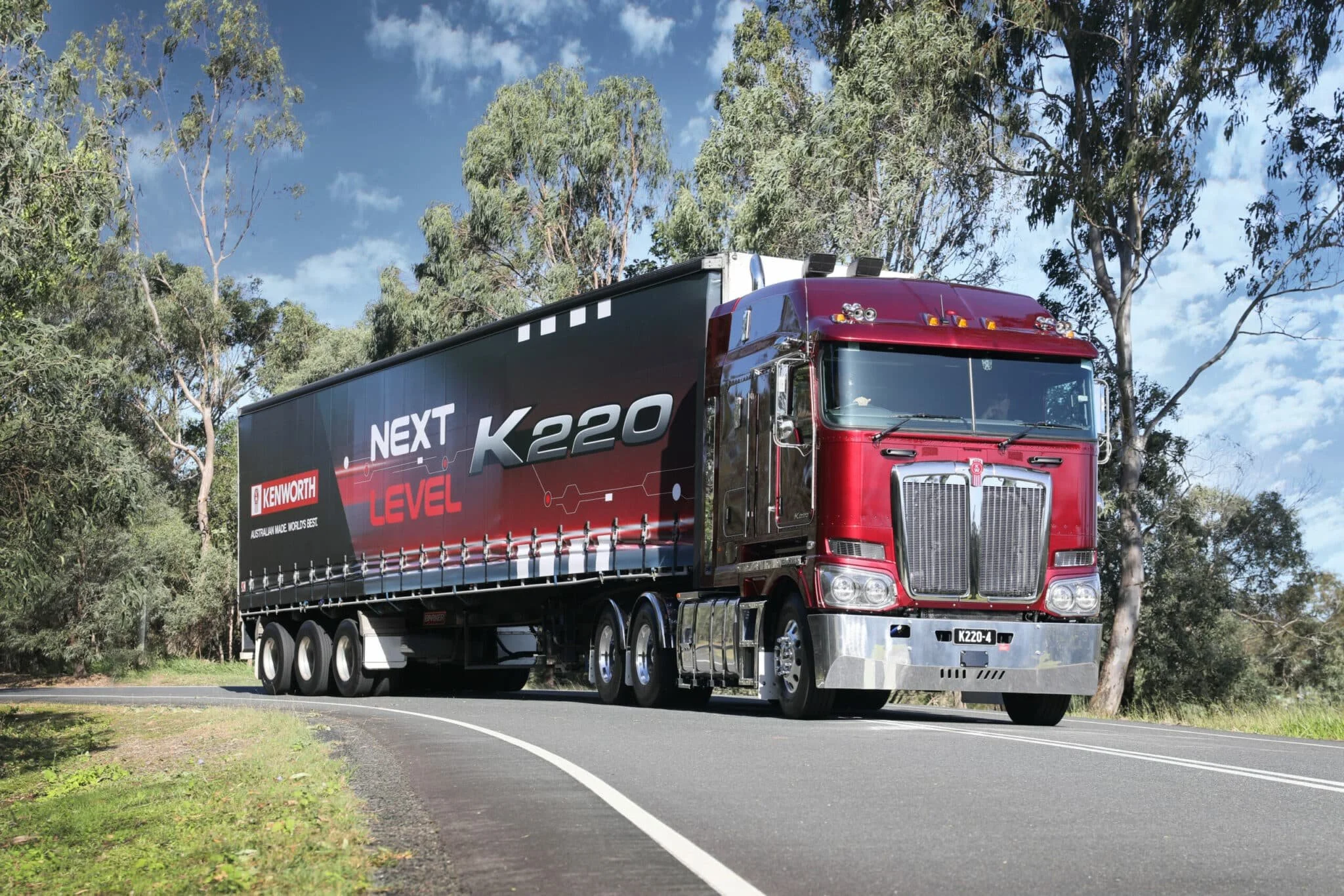
Truck body fit-out finance for truckies upgrading a tipper, curtainsider or refrigerated body – Switchboard Finance
 Insights · Truckie Hub
Truck Body Fit-Out Finance (2025): Tipper, Curtainsider, Refrigerated — What Lenders Need
If the quote, invoice, and insurance don’t line up, approvals slow down.
A Truck Body Fit-Out can be funded cleanly when you submit one simple “approval pack”. Start at the Truckie Hub, and if you’re upgrading the whole rig, keep your main pathway close to Low Doc Vehicle Finance. For the bigger picture, read What Is Fleet Finance?
| Fit-out | Include in your pack | Common hold-up | Next read |
|---|---|---|---|
| Tipper body | Single quote + scope lines + build dates | Scope changes after quote (invoice mismatch) | Truck Finance Checklist 2025 |
| Curtainsider | Spec sheet (doors, rails, tie points) + supplier details | Missing specs = “please clarify” loop | Vehicle Finance |
| Refrigerated body | Refrigeration spec + warranty notes + final insured value | Insurance not updated to “truck + body” | Fleet Refinance & Restructure |
1) Make the scope unarguable
Lenders want to see exactly what’s being financed — not a vague line item that can change after approval.
Before you sign anything, turn the quote into a clean scope: what’s included, what’s excluded, and what gets invoiced later.
- Use one buyer name across quote, invoice, and finance docs.
- Keep scope lines identical from quote → final invoice.
- If it’s staged, ask for a staged invoice schedule in writing.
2) Treat it like a working combo (not an accessory)
Fit-outs change how the truck earns. If the paperwork reads like an “extra”, lenders still assess it like a core asset upgrade.
In your pack, make it obvious how the body supports your work type and revenue (tipper work vs general freight vs cold chain).
- Add one sentence: what you haul, where you run, and why this body suits it.
- Highlight downtime risk if the old body is failing or non-compliant.
- Link the upgrade to your changeover plan (so repayments make sense).
3) Choose the structure that matches the changeover cycle
Body upgrades can push the asset value up fast. The structure matters when you plan to trade, refinance, or roll into a larger facility later.
If you’re bundling upgrades across multiple vehicles over time, consider packaging the story as Asset Finance from day one (clean, repeatable, easy to scale).
- Match term length to your expected replacement window.
- Keep repayments inside a “quiet month” buffer, not just peak weeks.
- Submit the pack early if delivery dates are tight.
Truck body fit-out finance — FAQs
Is a chattel mortgage common for truck + body funding?
Yes — many operators use a Chattel Mortgage when they want ownership upfront and a straightforward repayment plan.
When does hire purchase make sense for a fit-out?
If you prefer a “pay it off then own it” path, Hire Purchase can suit — but keep the scope/invoice trail extra tidy.
Can I stage the build and still get approved?
Often, yes — a Finance Lease can work well when the supplier can document a clear staged delivery/invoice schedule.
What if I want flexibility at the end of the term?
If you upgrade regularly, an Operating Lease may suit — but the fit-out spec still needs to be precise from day one.
Do balloon payments help keep weekly repayments lower?
A Balloon Payment can reduce ongoing repayments, but only use it if your changeover/resale plan supports it. For general tax and GST guidance, start with ato.gov.au.
