
Truck Finance Quote Checklist (2026): The 14 Line Items Your Dealer Quote MUST Include
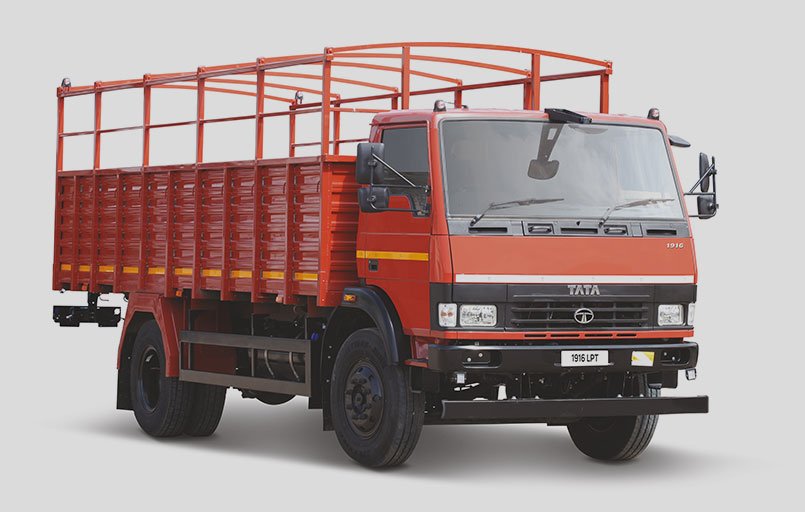
Truck dealer quote checklist for finance approval | Switchboard Finance
 Insights · Truckie Hub
Truck Finance Quote Checklist (2026): The 14 Line Items Your Dealer Quote MUST Include (Or You’ll Get Re-Quoted)
If you’re a trucker or owner-driver in a transport business, your dealer quote is the first “proof” lenders use to price the deal. Missing truck specs (like GVM/body build details) forces a re-quote, slows logistics planning, and can even change the approval outcome.
Related: learn the basics of fleet structures in What Is Fleet Finance? and explore options on Low Doc Asset Finance.
Why truck finance approvals get stuck on “the quote”
In truck finance, lenders don’t just assess you — they assess the asset. For a transport business, the quote needs enough detail to confirm the vehicle’s identity, build/compliance timing, and whether accessories are “part of the truck” or a separate cost line.
If the quote is vague, the lender re-requests details, the dealer re-issues paperwork, and your delivery timeline drifts (which hits cashflow if you’re planning work). This checklist prevents that loop before you submit.
| Common re-quote trigger | What the lender is trying to confirm |
|---|---|
| “Truck spec” missingBody type, axle config, GVM/GCM | Correct valuation + correct product fit for truck finance (not a generic vehicle deal). |
| GST wording unclearIncl. / Excl. GST, GST component | Settlement amount and whether the invoice matches the approved facility amount. |
| Delivery date unknownBuild vs compliance vs ETA | Whether approvals need extensions and whether progress payments are required. |
If your timing is tight, pair your asset plan with a cashflow buffer (see Working Capital Loans).
The 14 dealer quote line items (copy/paste checklist)
Send this list to the dealer and ask them to tick every item on the quote. If they can’t, ask for a revised quote before you lodge a submission — that’s how you avoid re-quotes.
Owner-driver tip: if you’re buying a prime mover + trailers, quote them as separate lines (even if you plan to finance together) so the structure is clean from day one.
| Line item that must appear | What it should look like on the quote |
|---|---|
| 1) VIN / Chassis numberOr “TBA” with build order reference | Unique identifier (avoid generic “Model XYZ” only). Also helps match to invoice at settlement. |
| 2) Engine number (if available) | Helpful for used trucks; include if dealer has it. |
| 3) Make / model / variant | Exact variant (e.g., axle config / cab type). No abbreviations only. |
| 4) Year + build date | Build month/year if new order; reduces timing queries. |
| 5) Compliance date (or expected) | Separate from build date — lenders often ask for both. |
| 6) Odometer / hours (used) | KM and hours meter reading shown as a number, not “approx.” |
| 7) Body specificationTipper/tautliner/prime mover etc. | Body builder name + body type + major options (e.g., tailgate/ramps). |
| 8) Tare + GVM (and GCM if relevant) | Numbers clearly stated; avoid “standard” or blank fields. |
| 9) Transmission / drivetrain (high level) | Auto/manual + 4x2/6x4 etc. (enough for valuation sanity check). |
| 10) Itemised accessoriesBullbar, hydraulics, PTO, lights, etc. | Each accessory on its own line with a price (avoid one lump “extras”). |
| 11) Delivery / ETA timeline | Date or week range (important for approval expiry and logistics planning). |
| 12) Price breakdownBase + accessories + fees | Clear totals; if stamp/registration included, show as separate lines. |
| 13) GST wording | State “Total incl. GST” and show GST component or “ex GST” clearly. |
| 14) Seller details | Dealer legal name, ABN, address, contact. Needed for settlement and PPSR checks. |
Want the fastest path from quote → approval? See Truck Finance Checklist 2025 and the Truckie Hub.
The 6 “re-quote” problems that waste a week (and the fix)
Most delays aren’t credit issues — they’re paperwork mismatches. If the quote doesn’t match the eventual invoice (or it hides key truck specs), the lender pauses settlement until it’s corrected.
Use these fixes before you lodge. It’s especially important if you’re an owner-driver trying to line up subcontractor runs and manage docket-to-pay gaps.
| Problem | Fast fix |
|---|---|
| “Accessories included” (not itemised) | Ask the dealer to split each accessory line + price (bullbar, hydraulics, lighting, etc.). |
| Build vs compliance unclear | Add both fields (or “expected compliance date”) to remove lender follow-ups. |
| GVM/GCM missing | Include tare + GVM and (if relevant) GCM. Lenders use it for truck category validation. |
| GST statement ambiguous | Write “Total incl. GST” and show GST component or confirm “ex GST” explicitly. |
| Used truck km/hours are “approx.” | Replace with an exact reading and date-stamped inspection note. |
| Delivery date not stated | Put an ETA window so approvals/extensions can be managed proactively. |
- If the quote is vague, you’ll get re-quoted (and your truck finance timeline drifts).
- If the quote is detailed, the submission is cleaner and approvals move faster.
- If you need cashflow cover, match the asset plan with a buffer facility.
If you’re comparing structure types, also read Fleet Leasing vs Chattel Mortgage.
Real-life example (owner-driver): how a “missing spec” becomes a re-quote
An owner-driver ordered a prime mover for a new contract and the dealer quote listed “truck + extras” as a single total. No GVM/GCM, no body builder details, and the compliance date was blank. The lender asked questions, the quote was revised twice, and the delivery window slipped.
The fix was simple: itemise accessories, add GVM/GCM and compliance timing, then resubmit. Once the quote matched the invoice format, the approval moved forward without further clarifications — and the operator kept their logistics plan intact.
| Do this | So you avoid this |
|---|---|
| Get the 14-line quote first | Re-quotes + settlement delays. |
| Confirm delivery timeline and invoice format | Approval expiry / extensions under pressure. |
| Pair with cashflow planning if needed | Empty kms / fuel buffer stress while waiting to start runs. |
If you’re still mapping the bigger picture, start here: Truckie Hub.
FAQ
These are the most common questions we get from truckers and owner-drivers when preparing a submission.
