
Ute Fitout Finance Quote Checklist (2026)
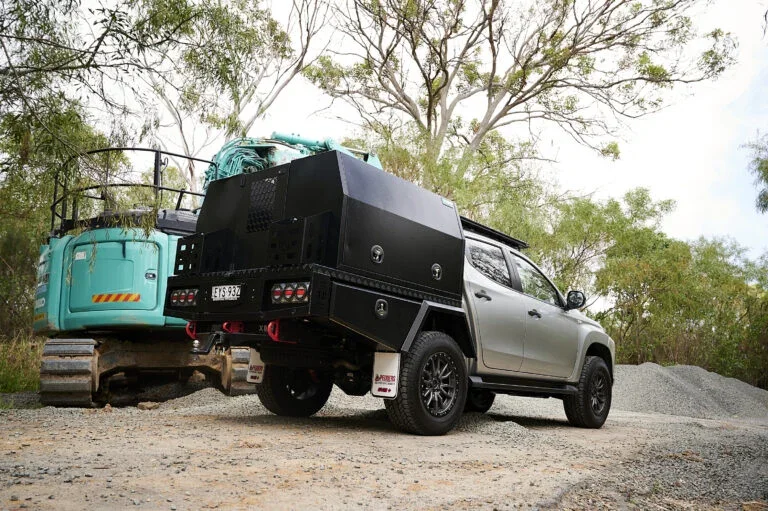
Ute fitout finance quote checklist for tradies | Switchboard Finance
 Insights · Tradie Hub
Ute fitout finance quote checklist (what to itemise so it doesn’t trigger re-quotes)
If you’re financing a canopy, racks, drawers, tow bar, lighting, or on-board power, your quote is basically your “approval file”. When the quote is clean and itemised, approvals move fast. When it’s vague, it turns into re-quotes, valuation haircuts, or a surprise deposit request.
Start here if you’re new to the lane: Low Doc Vehicle Finance Guide. If you already know you’re going low doc, go straight to Low Doc Vehicle Finance. Tradie-specific options live in the Tradie Hub and the Tradie Loan Pack.
A lender-ready ute fitout quote must be itemised (each component + install), show supplier details, and clearly separate what’s being supplied vs labour. If it’s a lump sum (“Fitout package — $12,500”), you’re inviting re-quotes and valuation issues.
Checklist focus: itemised line items supplier + installer separate parts & labour vehicle details
| Quote section | Must include | Common mistake |
|---|---|---|
| Supplier header | Business name, ABN, address, phone/email | Invoice screenshot / no supplier identity |
| Vehicle details | Make/model/variant + VIN (if known) + reg (if existing) | “For Ranger” with no variant/spec |
| Itemisation | Each component on its own line (qty, price, description) | One lump sum “Fitout package” |
| Install & labour | Labour separated (hours/rate or fixed install line) | Labour hidden inside parts pricing |
| Timing | Lead time + install date window | No timing → delivery/settlement mismatch |
1) The line-item checklist (what lenders actually want to see)
Think like an assessor: they need to understand what’s being financed, what it’s worth, and who’s supplying it. The cleaner the quote, the less back-and-forth you get during approval and settlement.
Use this as your “quote build” list before you request the quote (so the supplier formats it properly the first time).
- Canopy: brand/model, material, finish, locks, window spec
- Racks / ladder racks: brand, load rating, mounting system
- Drawer system: brand/model, drawer count, slide rating, tie-down points
- Tow bar: type + rated capacity + compliance statement (if listed)
- Lights: brand/model + wattage + mounting brackets
- On-board power: inverter rating, battery/dual battery, fuse/isolator, install line item
A tradie sent a single-line quote: “Full fitout package — $14,800”. The lender asked for itemisation, then asked again for labour separation. Once it was split into canopy + drawers + racks + electrical + labour, it moved to settlement without further questions.
2) The re-quote triggers (the stuff that silently slows you down)
Most delays happen for boring reasons: the quote doesn’t match the vehicle, the supplier details are missing, or the install timing clashes with settlement. These are fixable — if you know what to avoid.
If you’re bundling the fitout with a vehicle purchase, make sure the quote is aligned to the final vehicle spec (variant, tray type, wheelbase).
- Don’t use “approx.” pricing — make it a firm quote.
- Don’t mix accessories for different vehicles on the same quote.
- Don’t hide labour inside parts — separate it.
- Make timing clear: parts lead time + install window.
If you’re also gathering your approval file, pair this with a documents page: Low doc vehicle finance documents checklist. If you’re deciding on vehicle type first, see: Ute vs Van for Tradies.
A quote referenced “Ranger tray fitout” but the buyer switched to a different tray spec at the last minute. The canopy and rack sizing changed — so the lender asked for a corrected quote before funding.
3) What gets valued at $0 (and how to protect your approval)
Some line items are harder to value. If they’re vague or bundled, they can be treated as “non-assets” (or discounted heavily), which can create a deposit gap even when you expected it to be fully financed.
The solution is simple: name the component, show brand/model, and separate labour and consumables.
| Line item | Risk if vague | How to write it on the quote |
|---|---|---|
| Labour / install | Discounted or challenged | “Install labour (fixed) — $X” or hours/rate |
| Electrical / wiring | Bundled as “misc” | List components (inverter/battery/isolator) + install line |
| Consumables | Treated as non-asset | Keep consumables minimal and separate where possible |
| “Package discount” | Confuses net value | Show discount as a single line at the end |
One quote listed “Electrical works — $2,400” with no detail. It got questioned. The revised quote listed inverter model + battery + isolator + labour — it was accepted as a financeable build.
4) The clean submission flow (so settlement doesn’t get messy)
The fastest approvals happen when the vehicle and fitout are treated as one clean story: “here’s the ute, here’s the fitout, here’s the quote.” That’s especially true for low doc submissions — clarity beats complexity.
If you want us to sanity-check the quote before you lock it in, it’s a quick job — and it can save days of rework.
- Get the quote itemised (parts + labour) with supplier details.
- Make sure it matches the final vehicle spec (variant/tray).
- Send it with your core application so the assessor sees the whole picture once.
If you’re a tradie planning a bigger upgrade path, you’ll usually get better outcomes by keeping the structure tidy and predictable. Start in the Tradie Hub, or go straight to the Tradie Loan Pack.
A tradie lined up a ute delivery date but didn’t confirm the fitout lead time. The fix was adding an install window to the quote so settlement timing matched reality — no last-minute changes.
If your ute fitout quote is itemised and specific, approvals are smooth. If it’s vague or bundled, expect re-quotes, valuation haircuts, or deposit surprises. The fastest path is a clean quote + a clean story.
Ready to bundle the vehicle and fitout properly? Start with Low Doc Vehicle Finance, or talk it through with us inside the Tradie Loan Pack.
5) Fitout finance FAQs (fast answers)
Five quick answers that remove the usual confusion — plus glossary links if you want definitions.
In most low doc scenarios, the lender is assessing the business profile behind the ABN, plus the asset and the quote. If you’re unsure what lane you fit into, use Check Eligibility or go straight to Talk to a Broker.
Sometimes — it depends on the lender, the structure, and how “low doc” the file is. The cleaner your quote and story, the fewer extra documents you tend to get asked for. Pair this with: Low doc vehicle finance documents checklist.
If the fitout is clearly part of the vehicle upgrade, bundling it into vehicle finance is usually cleaner than burning working capital. Working capital is better kept for buffers (wages, rent, tax timing), not permanent vehicle upgrades. If you’re looking at cashflow products, see Working Capital Loans.
Because the quote impacts what the lender can confidently value and fund. If they can’t clearly value it, they protect themselves with a lower lend (which becomes your deposit gap). A clean quote keeps your cash flow plan predictable because the funding amount is predictable.
Accessories can be funded as part of the vehicle’s overall asset structure when the quote is clear and linked to the vehicle. That’s why itemisation matters — it helps the lender treat the fitout as a real, identifiable asset component.
