
Business Vehicle Finance Melbourne (2026): Low Doc Approval Checklist for ABN Holders & Pty Ltds
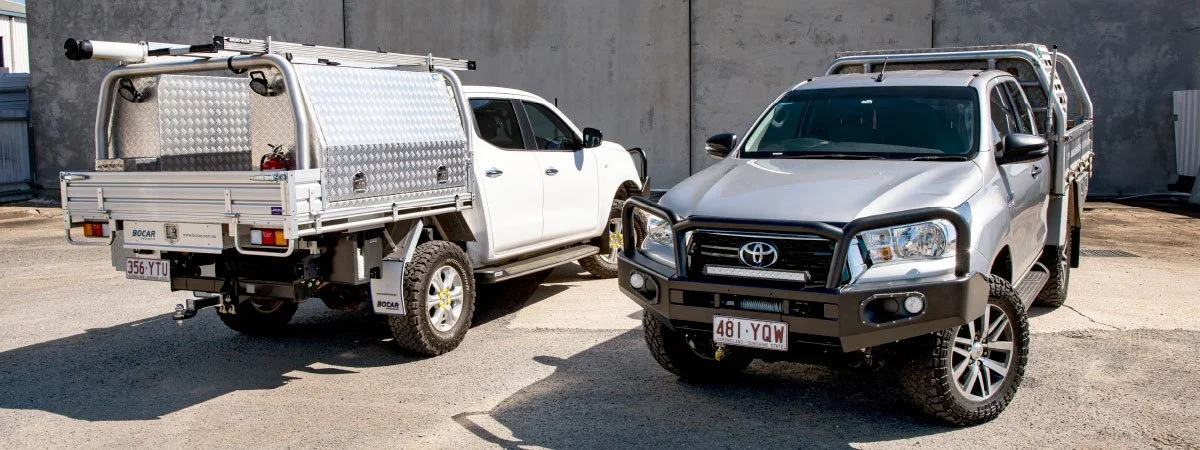
Business vehicle finance Melbourne for business owners | Switchboard Finance
 🚘 business owners · work vehicles · Melbourne ·
Business Owners Finance Hub · 2026
🚘 business owners · work vehicles · Melbourne ·
Business Owners Finance Hub · 2026
This is a Melbourne-first “lender view” checklist: what gets approved fast, what turns into “pending”, and where deposits blow out. It’s written for business owners buying a work car, ute or van through the business.
Start with the two up-links (your decision path): Low Doc Vehicle Finance Guide and the money page: Low Doc Vehicle Finance. If you need the broader category overview, see Vehicle Finance.
1) The lender view in Melbourne: what gets approved fast vs what stalls
Low doc doesn’t mean “no checks”. It means the lender leans harder on the quote quality, the asset traceability, and the story your bank transactions tell. When those three are clean, approvals can move quickly.
If they’re messy, the consequence is simple: extra conditions, valuation delays, or a request for a bigger deposit. The table below shows the practical difference.
| Decision point | Fast file | Stuck file | What to do instead |
|---|---|---|---|
| Asset proof | Full VIN, exact model, clear supplier | “TBA” model/spec, missing identifiers | Lock the exact build + identifiers before submission |
| Quote quality | Clean, itemised Dealer Invoice-style quote | Bundled “all-in” quote with no breakdown | Separate vehicle, accessories, delivery and fees |
| Bank statement story | Stable trading and predictable payments | Spikes, reversals, and unclear transfers | Use the “bank statement” lens before applying |
| Deposit pressure | Price aligns with market valuation | Invoice higher than value → gap treated as deposit | Choose a cleaner vehicle/supplier combo |
2) Deposit blowouts: the 3 valuation traps business owners hit
Most “surprise deposits” come from a mismatch between invoice price and what the lender will fund against. That mismatch increases your effective LVR and you end up contributing more cash than planned.
Ignore these traps and the consequence is usually one of three outcomes: reduced limit, slower approval, or a forced “change of vehicle” mid-deal. Here’s the quick filter to keep the deal clean.
- Bundled pricing that hides fit-out items and fees (lenders often won’t value “soft” extras at invoice price).
- Used vehicles priced above market (the lender funds against valuation, not your bargain story).
- Unclear total drive-away with missing On-Road Costs (back-and-forth = delays).
3) The approval-ready pack: what to submit so you don’t get “pending”
The fastest low doc approvals happen when the lender doesn’t need to infer anything. You’re proving the asset, the quote trail, and the business story in one pass.
If you skip this, the consequence is usually “one more document” emails that drag on for weeks. Build the pack once and you can re-use it for future upgrades or refinances.
- Business details and structure (ABN/Pty Ltd/trust) + the “who signs” map.
- A clear Company Structure statement if the trading name differs from the legal entity.
- Quote that shows the exact vehicle + VIN + itemised costs.
- One short explanation of business use (what the vehicle enables, and why now).
- Risk check early: run a PPSR Check on any used vehicle before you lock the deal.
Melbourne business owners: low doc vehicle approvals are won on three things: clean asset proof, clean quote trail, and a bank story that matches your use case. When those are tight, approvals speed up and deposit blowouts drop.
Start with Business Owners Finance Hub. Then follow the two up-links: Low Doc Vehicle Finance Guide and Low Doc Vehicle Finance. For applications, use Check Eligibility.
FAQ
Often yes, depending on lender policy and your trading strength. Low doc generally uses alternative proof (such as bank statements) instead of full Financial Statements. The cleaner your quote and asset proof, the fewer follow-ups.
A quote that doesn’t clearly itemise total costs. If the lender can’t reconcile the “drive-away” number, they ask questions, valuations slow, and approvals stall. Use a clean dealer-style quote and make costs explicit.
Usually, yes. A Private Sale often needs tighter proof (seller identity, purchase trail, vehicle details), which can add time compared to a standard dealer transaction.
Because deposit decisions are often asset-driven. If valuation comes in below invoice, the lender funds against value and the difference becomes your contribution. The fix is usually quote clarity and a cleaner asset/supplier choice.
Use the official PPSR site. It helps confirm there’s no existing security interest over the vehicle before you commit to a purchase. Start at ppsr.gov.au.
Disclaimer: This content is general information only and isn’t financial, legal, or tax advice.
