
The Café Cash Flow Pack — LOC + Equipment Funding + ATO Buffer (2025 Growth System)
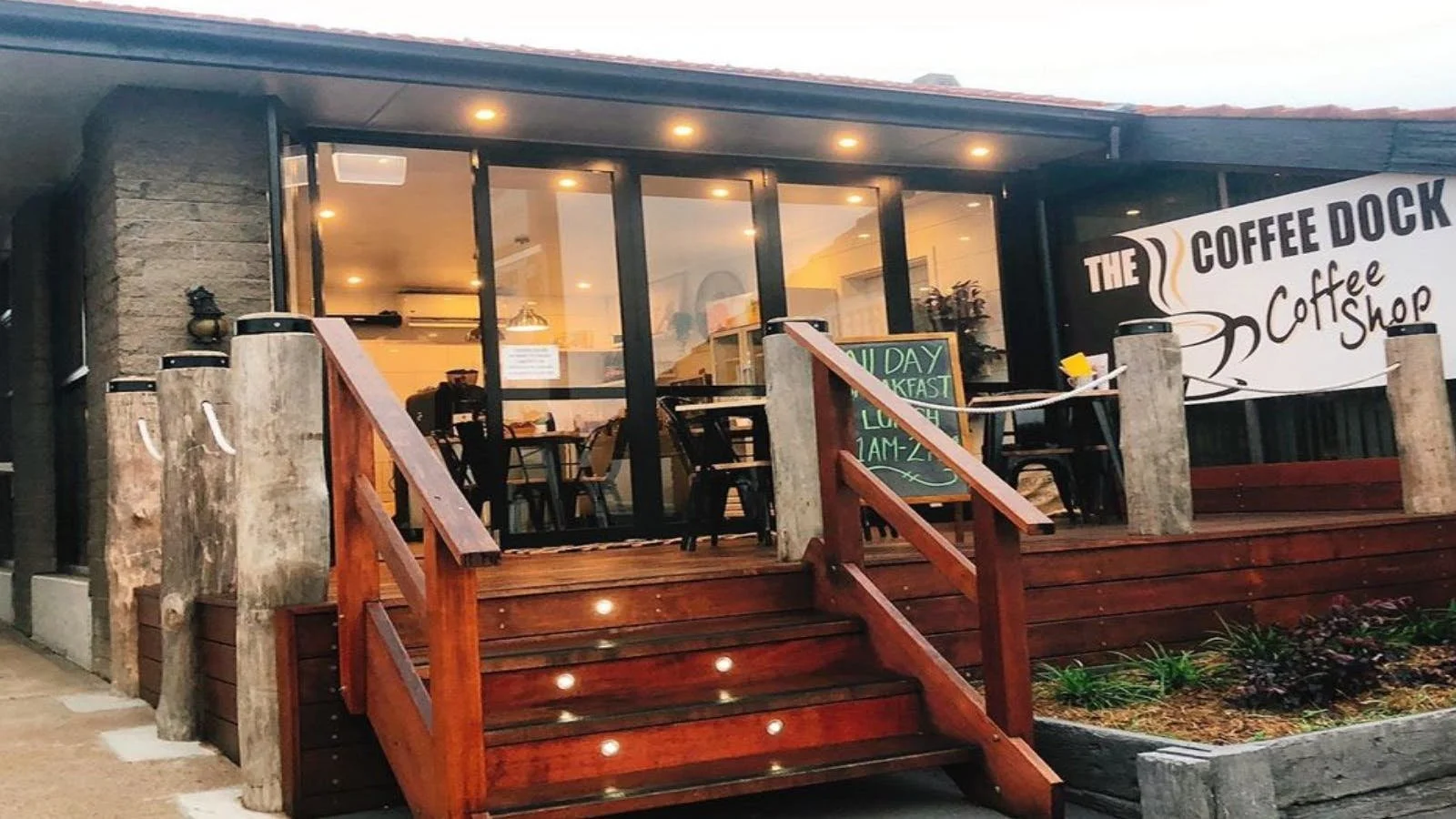
Café cash flow pack with LOC, equipment funding and ATO buffer – Switchboard Finance
Cafés rarely struggle because they’re unprofitable — they struggle because their expenses and income arrive out of sync. Supplier bills land midweek, wages hit on Thursdays, stock orders spike before weekends, and ATO or BAS cycles create random pressure points. The 2025 Café Cash Flow Pack is designed to solve this permanently.
Built from the systems covered in Blog 1, Blog 2 and Blog 3, this pack combines three tools that give cafés stability, control and growth capacity — without overleveraging.
What Is the Café Cash Flow Pack?
It’s a simple three-part system:
- 1. Line of Credit (LOC) — to handle weekly timing issues
- 2. Equipment Funding — to upgrade without draining liquidity
- 3. ATO/BAS Buffer — to stop tax cycles from disrupting operations
This combination matches what business.gov.au highlights as smart cash-flow management for small businesses — but tailored specifically to hospitality.
1. Line of Credit: Your Weekly Stability Layer
An LOC isn’t about emergencies — it’s about smoothing timing. Cafés use a Line of Credit to cover:
- supplier payments landing before weekend revenue
- wage cycles that fall midweek
- short-term stock builds for busy periods
- unexpected small repairs
It’s the same rhythm we explored in the supplier-cycle breakdown. This is the “daily greasing” of your operations — a quickly repaid, constantly reusable buffer.
2. Equipment Funding: Keep Your LOC Free
Most café owners mistakenly use their LOC for equipment upgrades. This is what strains cash flow. Instead, equipment purchases should be financed over 3–5 years through:
That’s how operators fund:
- 2–3 group coffee machines
- fridges and cold display units
- ovens, mixers and prep equipment
- POS system upgrades
This separation — LOC for timing, financing for upgrades — is the backbone of the equipment upgrade strategy.
3. The ATO/BAS Buffer: The Most Underrated Café Tool
ATO cycles put surprise pressure on cafés more than any other cost. It’s why the Café Cash Flow Pack includes a structured buffer for:
- BAS obligations
- GST mismatches
- PAYG instalments
This buffer is commonly built using:
- Working Capital Loans
- small LOC allocations set aside and repaid monthly
Instead of scrambling for cash when ATO bills hit, cafés pre-structure their liquidity so nothing breaks the weekly cycle.
How the Three Layers Work Together
Here’s the clean model cafés use in 2025:
- LOC → short-term timing
- Equipment Finance → upgrades and growth
- Working Capital → ATO/BAS buffer + seasonal swings
This layered setup prevents the most common cash-flow mistakes outlined in our SME cash-flow mistake guide.
What You Get With the Café Cash Flow Pack
- A revolving LOC with the right limit for weekly stability
- A structured equipment funding plan to preserve liquidity
- A tax buffer designed to neutralise ATO pressure
- A tailored working-capital strategy based on your café’s revenue rhythm
This combination is what allows cafés to grow steadily instead of lurching from one expense spike to another.
Ready to Build Your Café’s 2025 Cash Flow System?
If your café feels constantly “tight” even when revenue is good, this pack will fix the timing issues and protect your cash flow long-term. We’ll design the LOC limit, equipment funding plan and ATO buffer to match your actual trading rhythm.
Talk to a Broker Check EligibilityFrequently Asked Questions
1. Does every café need all three layers?
Not always — but most cafés need at least two to stabilise weekly flow.
2. Can new cafés use this system?
Yes — especially if card settlements are consistent or if upgrades are required.
3. Does the pack increase debt?
No — it restructures existing obligations into predictable streams.
4. Does equipment finance weaken LOC approvals?
No — separating upgrades actually strengthens LOC assessments.
All external links verified as 200-OK at publication.