
How Café Owners Use a Business Line of Credit to Manage Supplier Bills, Staff Wages & Stock Cycles
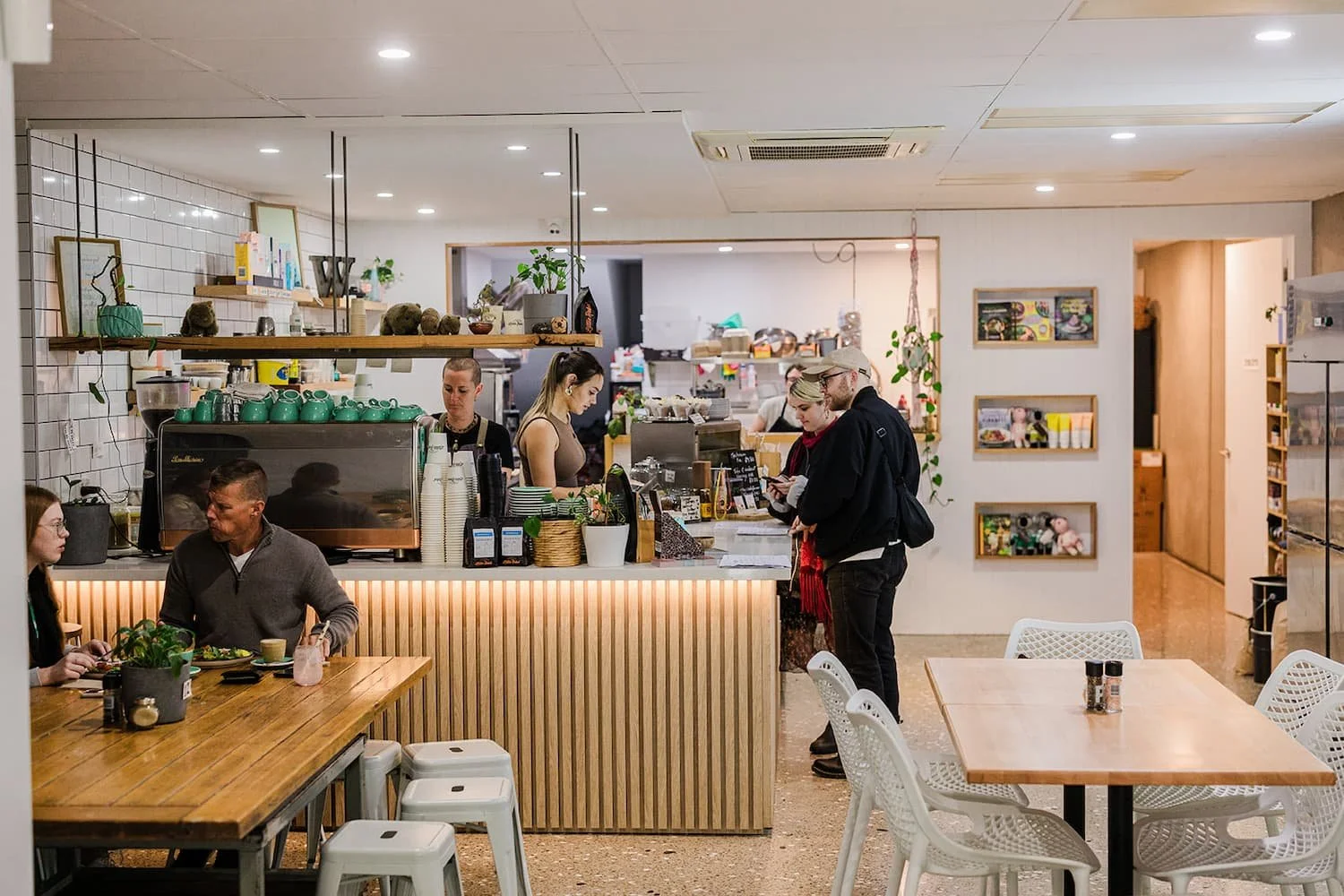
Business line of credit for café supplier bills in 2025 – Switchboard Finance
Café operators aren’t using Business Lines of Credit because they’re struggling — they’re using them because hospitality cash flow moves in waves. Supplier bills arrive midweek, wages land Thursday, and stock orders spike before weekends. A Business Line of Credit (LOC) gives owners a smooth way to bridge these timing gaps without dipping into savings or relying on credit cards.
In our first blog in this cluster, we broke down why every café needs an LOC in 2025. This article goes deeper into how the smartest operators actually use it — and why this strategy ties neatly into our upcoming comparison of Line of Credit vs Working Capital Loans for cafés.
Why Cafés Use an LOC: Timing Beats Everything
Even profitable cafés run into cash-flow mismatches. Common examples include:
- Suppliers demanding payment on delivery
- Wages landing before weekend revenue
- Stock needing to be purchased before the busy days
- Card settlements taking 24–48 hours to clear
An LOC smooths these timing gaps, acting like a revolving buffer. You draw funds when needed, repay them once customer revenue comes in, and repeat — a much cleaner rhythm than taking out lump-sum loans.
Using an LOC for Supplier Bills
Wholesale suppliers often shorten payment terms or adjust pricing without warning. Café owners commonly use their LOC to cover:
- Fresh produce
- Milk + dairy deliveries
- Pastry and bakery goods
- Roastery bean orders
- Dry goods and takeaway packaging
Once weekend revenue lands, they clear the LOC balance. This prevents supplier cycles from disrupting operations, an issue we’ve previously seen in our café cash-flow vs growth breakdown.
Using an LOC for Wage Cycles
Wages are predictable — but not always well-timed. Many cafés use their LOC to cover:
- Penalty-rate weekends
- Public holiday rosters
- Unexpected staff increases
The LOC doesn’t replace wage money — it simply ensures wages don’t collide with supplier bills in the same week.
Using an LOC for Stock Cycles
Stock is purchased before revenue is earned, especially heading into:
- Weekends
- Peak seasons
- Warm weather cold-drink demand
- Menu changes
An LOC ensures you maintain quality and stock levels without compromising to “save cash.” For bigger upgrades like fridges or ovens, Equipment Finance or Low Doc Asset Finance is still the better long-term option — which is why many owners separate short-term movement (LOC) from long-term upgrades (finance).
Typical Draw Amounts
Cafés rarely use their entire LOC limit. Common draw patterns look like:
- $1,500–$4,000 for weekly stock orders
- $3,000–$10,000 for payroll smoothing
- $2,000–$6,000 for pre-weekend stock building
This small-draw, fast-repay rhythm is what makes LOCs superior to traditional loans — a strategy we expand in the final blog of this cluster: the Café Cash Flow Pack.
Combining an LOC With Other Finance Tools
The strongest cafés generally use a layered system:
- Line of Credit for cash-flow timing
- Working Capital Loans for lump-sum stability
- Equipment Finance for big-ticket upgrades
This aligns with broader small-business finance guidance from business.gov.au, the only external reference included.
Ready to Set Up Your Café’s LOC?
If supplier cycles, wage timing or stock fluctuations regularly pressure your cash flow, an LOC can stabilise everything instantly. We help café owners get approved quickly with minimal documentation.
Talk to a Broker Check EligibilityFrequently Asked Questions
1. Do suppliers accept LOC-backed payments?
Yes — most owners withdraw funds to their business account and pay suppliers normally.
2. How fast can funds be drawn?
Most LOCs allow same-day transfers depending on banking cut-off times.
3. How does this differ from a Working Capital Loan?
We break it down in detail in Blog 3 of this cluster.
4. Can new cafés qualify?
Yes — if card sales are steady, even newer ABNs can be approved.
All external links verified 200-OK as of publication.
