
Cafe Finance Australia 2026: the Seven Facilities Inside
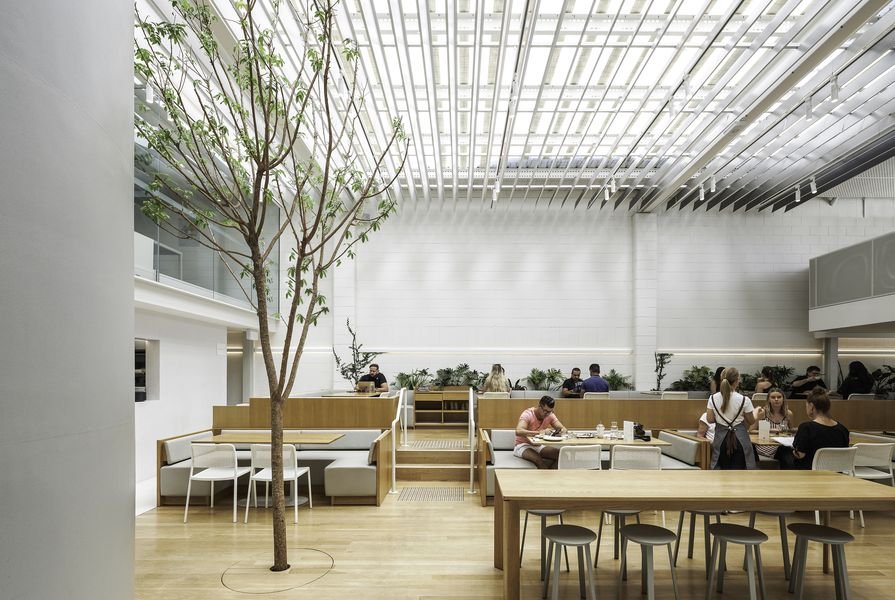
Cafe finance Australia 2026, seven facilities cafe owners use: Switchboard Finance
 Cafe Hub
Cafe Finance · Facility Stack · 2026
Cafe Finance Australia 2026, the Seven Facilities Inside
An Australian cafe rarely runs on a single loan. Most operators carry a stack of finance facilities, each tied to a distinct cashflow lane. This guide maps the seven facilities inside the modern cafe stack and how they fit together without doubling up.
Quick Answer
Australian cafes run a stack of finance facilities rather than a single product. The seven that show up most often are working capital loans, lines of credit, equipment finance, low doc vehicle finance, invoice finance, second mortgages, and caveat or private lending, each fitting a different cafe operating need.
Why a cafe runs on a stack, not a single product
Across the cafe operators we broker for, a single-venue cafe typically carries three to five active finance facilities at any given time, and that count grows once a second site, a catering arm, or a wholesale side opens up. The reason is structural, not preferential. No one product covers every operating need of an Australian cafe.
A working capital draw funds the gap between supplier deposit windows and merchant settlement timing. An equipment line carries the espresso machine and the second cool-room. A vehicle line runs the catering van. And when a refit, an acquisition, or an unexpected ATO bill lands, a property-backed facility steps in for the lump.
Across the cafe books we broker, the operators with the cleanest credit reads are the ones running a facility coverage map with non-overlapping coverage. The messy reads come from operators who try to cover three needs out of one over-stretched line, then come back asking lenders to extend it again.
The seven facilities inside the cafe finance stack
The seven facilities below are the ones that show up most often on the cafe books we see. They are not equal substitutes; each was designed for a distinct cafe operating need. Indicative fund windows below vary by lender and applicant cleanliness.
The first credit check on a stacked cafe is whether each facility serves a distinct purpose. A cafe asking for a working capital loan, a line of credit, and an invoice finance facility all in the same month, with no clear separation of purpose, will commonly stall in underwriting. The same three facilities sequenced across a quarter, each tied to a specific cashflow lane, lands cleaner because the lane saturation read is healthier.
Mapping the seven to a cafe lifecycle
Once you see the seven facilities laid out, the next move is mapping them to the cafe lifecycle. Launch, growth, refresh, and exit each load different facilities into the stack. Indicative pricing tiers shift across these phases too, with cleanest pricing landing on operators whose stack reads as deliberate rather than reactive.
For the smaller cafe operator, the Cafe Loan Pack is a ready-made sequencing guide: which facility lands first, which second, and what to leave for later. For the larger or multi-venue operator, sequencing is more bespoke and the Cafe Hub collects the deeper guides on each lane.
What funds, what stalls when you stack
Lane saturation is the underrated risk inside a cafe finance stack. An operator who has drawn against two unsecured cashflow lines and an invoice finance facility in the same quarter is in lane saturation: the cashflow lane is full, and adding a fifth facility into the same lane simply stalls.
What funds, the clean stack reads
- Each facility serves a distinct cashflow purpose
- Adequate runway between draws (approximately 30 to 90 day exit window between same-lane facilities, varies by lender)
- Consistent BAS lodgement rhythm across the stack
- Property-backed and unsecured facilities sitting in distinct lanes
- A clear lead facility per cashflow lane, not two
What stalls, the messy stack reads
- Two unsecured cashflow lines stacked for the same need
- Drawing a second facility before the first is in repayment rhythm
- Mixing personal and cafe security on overlapping draws
- Late or amended BAS without a clear story
- Three facilities applied for in the same week without sequencing
The pattern we see across cafe books is that what funds, what stalls usually comes down to whether the stack was assembled deliberately or reactively. Deliberate stacks pass; reactive stacks get clipped at the second or third facility.
External context worth scoping into facility size: the labour cost line of the cafe stack is anchored to the Restaurant Industry Award MA000119, which is the award that covers cafes, restaurants, coffee shops and similar sit-down food and beverage venues. The current Fair Work MA000119 summary is the reference point cafe operators check before stress-testing whether the working capital line still fits the wage-cost trajectory. Layered on top, Payday Super begins 1 July 2026, which changes the weekly cashflow rhythm lenders read from your bank statements and is already prompting cafe operators to recut the LOC vs working capital question.
Cafe finance in Australia in 2026 is not a single-product question. It is a coverage question across seven facilities that each sit in a distinct cashflow lane. The cafe operators with the cleanest credit reads carry three to five facilities at once, mapped against the operating cycle rather than stacked into one over-stretched lane. The cafes that stall are the ones reaching for a fourth product to cover what the first one was already trying to do.
Key takeaway: build the stack lane by lane, not loan by loan, and most cafes can hold three to five facilities cleanly without lane saturation.Frequently Asked Questions
Australian cafes typically use a stack of seven core finance facilities rather than a single loan: working capital loans, business lines of credit, equipment finance via chattel mortgage, low doc vehicle finance, invoice finance, second mortgages, and caveat or private lending.
Each covers a different operating need across launch, growth, refresh, and exit phases. Most established cafes run three to five at once.
Cafes can hold multiple finance facilities at the same time, and most established operators do. The discipline that matters is non-overlapping coverage, where each facility serves a distinct purpose so lenders read a clean separation of cashflow lanes rather than two products chasing the same draw.
The Cafe LOC vs Working Capital Loan guide walks through one of the more common pairings and how to keep them in distinct lanes.
Of the seven cafe finance facilities, low doc vehicle finance and caveat or private lending typically fund fastest, often within approximately 24 to 72 hours, varies by lender. Working capital loans against BAS commonly land within approximately 8 to 14 days, indicative.
Larger property-secured second mortgages take longer, generally around 2 to 4 weeks, because they require formal valuation and written consent from the first mortgagee.
Most cafe finance facilities do not require property security. Working capital loans, lines of credit, equipment finance via chattel mortgage, low doc vehicle finance, and invoice finance all rely on business cashflow or asset finance security rather than residential property.
Second mortgages and caveat loans are the property-backed exceptions in the cafe stack and only get loaded when a lump-sum need outpaces the unsecured lanes.
Payday Super, which begins 1 July 2026, requires Australian employers to pay superannuation contributions on each payday rather than quarterly. For cafe operators, this changes the rolling 13-week cashflow pattern lenders read from bank statements, particularly during wage-heavy weeks of the month.
It is one reason cafe facility coverage maps are getting recut this year, especially the working capital line. The Cafe Hub tracks the cashflow guides as the change beds in.

 FBAA Accredited
