
Café Kitchen Equipment Finance: Ovens, Coolers, Dishwashers
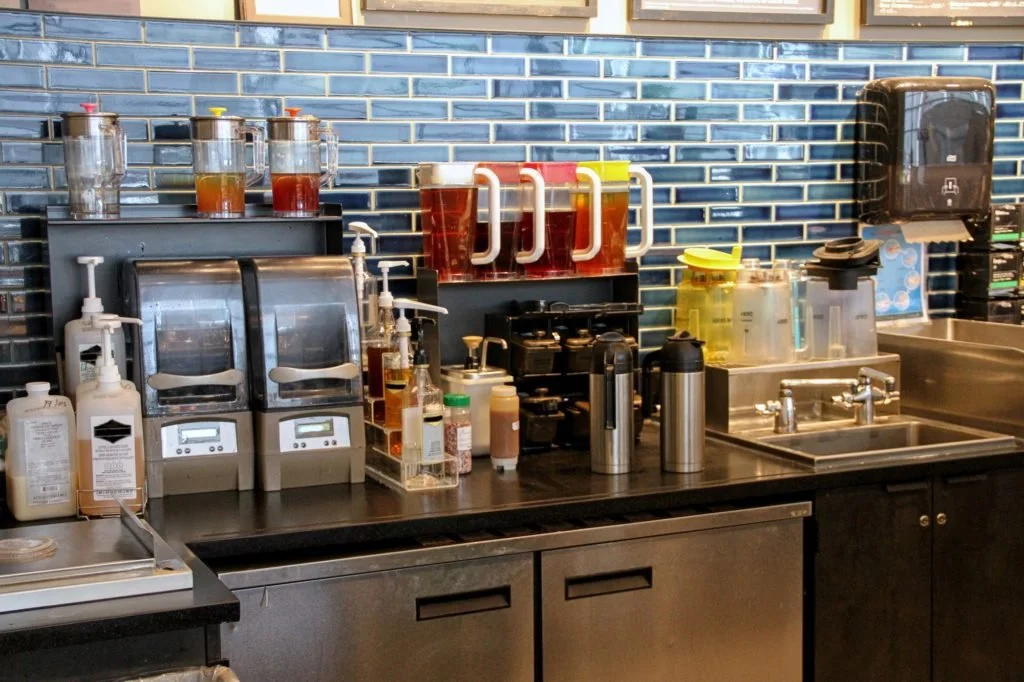
Café kitchen equipment finance covering ovens, walk-in coolers and dishwashers – Switchboard Finance
 Café Hub
Low Doc Asset Finance · Ovens · Walk-in Coolers · Dishwashers · Ice Machines
Café Kitchen Equipment Finance: Ovens, Coolers, Dishwashers
Most cafés finance the coffee machine and pay for everything behind the counter in cash. That's how operators end up buying themselves a job — working capital flushed into stainless steel instead of stock, wages and rent runway. Here's the cost-and-fee breakdown on one low-doc basket that covers the whole kitchen.
Quick Answer
A café can finance ovens, walk-in coolers, dishwashers and ice machines on one low-doc basket under low doc asset finance, assessed on ABN and BAS rather than tax returns. Each item priced as its own equipment finance line, bundled into a single monthly repayment with separate terms tuned to each asset's useful life.
The Kitchen Behind the Counter Is What Most Cafés Forget to Finance
The coffee machine gets financed because every café owner expects to finance it. The ovens, the walk-in cooler, the under-counter dishwasher and the ice machine get paid for in cash — and that's where the working-capital leak opens up. An owner who spent $80,000 on fitout and another $45,000 on kit from their own bank account is sitting with no runway when the first soft month hits. The cost of that cash isn't a rate on a lender's term sheet; it's the stock that didn't get ordered in June.
Low-doc equipment finance lets a café treat the whole kitchen as one approval rather than five separate purchases paid from cash. Each asset sits on its own line with its own term — a 7-year term on a convection oven, 5 years on a dishwasher, 5 years on a walk-in cooler, 3 years on an ice machine — priced as a single basket and repaid as a single monthly. The basket itself is the product. The rest of this post is what sits inside one.
The Cost-and-Fee Breakdown on a Kitchen Basket
A low-doc asset-finance basket for a café kitchen typically carries four cost layers: the asset purchase, the finance structure costs, the setup fees and the ongoing account fees. None of them are hidden, but they compound differently across a 5-year term. Here's what each layer typically contains on a café kitchen file.
The single biggest lever on total cost isn't the rate — it's the term/residual mix. A shorter term with zero residual costs more in monthly cashflow but less in total interest; a longer term with a healthy residual costs less in monthly cashflow but more over the life of the facility. A good broker models both against the café's seasonal cashflow, not just a flat monthly calculator. For how this sits alongside coffee-machine finance specifically, see coffee machine finance for cafés. The underlying category is covered at equipment finance in the glossary.
What Works in One Basket vs What Stalls It
Not every piece of café kit fits neatly into a single low-doc basket. Some assets strengthen the file; others slow it down or need to sit on a different facility. Here's the practical split on what bundles cleanly and what usually gets pulled out.
Works in One Basket
- Convection and combi ovens (commercial rated)
- Walk-in coolers and under-counter fridges
- Under-counter and pass-through dishwashers
- Ice machines and water filtration
- Refrigerated display cases and prep benches
- Extraction/ventilation hoods if supplied as new equipment
Stalls or Sits on a Different Facility
- Fitout labour and joinery (use business loan or fitout-specific product)
- Second-hand kit from private sale (supplier must be on lender's list)
- Crockery, glassware, small wares (consumables — pay from cash or line of credit)
- POS software subscriptions (not a financeable asset)
- Delivery vehicles (separate — see café delivery van finance)
- Leasehold improvements tied to the lease (sit under the landlord)
If your list crosses both columns, that's not a dealbreaker — it just means the file needs two facilities, not one. A low doc asset finance basket for the equipment, plus a working-capital or LOC facility for the soft costs, keeps each facility approvable on its own criteria. The sequencing question — which one to stack first — is covered in the café loan pack.
The 30 June 2026 Window: Why Timing the Basket Matters
The instant asset write-off sits at $20,000 per asset for small businesses with aggregated turnover under $10 million, and it is permanent from 1 July 2026 (now law). For a café, that means each individual piece of kit under the $20,000 threshold can be written off in full in the year it's first used or installed ready for use — ovens, dishwashers, ice machines and most mid-range walk-in coolers typically fit. It's the per-asset threshold that matters, not the basket total. A $75,000 basket made up of five assets each under $20,000 still qualifies asset-by-asset.
What that changes on a finance file: the deduction doesn't depend on whether the asset was bought in cash or financed on a chattel mortgage. Under a chattel mortgage structure, the café owns the asset from day one, the GST is reclaimed via BAS, and the asset can be written off under the IAWO rules in the year it's installed. The financed monthly then becomes an interest-and-depreciation story rather than a cash-purchase-and-depreciation story. For full ATO detail, see the $20,000 instant asset write-off for 2025-26 release.
Where a café is planning a kitchen upgrade in the second half of 2026, the threshold question is settled: the $20,000 write-off is permanent, so the timing call comes down to which income year the deduction helps most. Speak to your accountant before making the call — and if you want to stress-test both scenarios against your seasonal cashflow, a broker can model the monthly impact on each path. Check eligibility to start the file either way.
One note on coffee machines specifically: the coffee machine almost always sits on its own facility in practice because the supplier relationship, the warranty and the resale market are different from the rest of the kitchen kit. It's still low-doc, still equipment finance, but typically priced and structured as a standalone. The existing deep-dive on that is coffee machine finance for cafés — read it alongside this post rather than instead of it.
A café's low doc asset finance basket covers the kitchen behind the counter as one approval — ovens, walk-in coolers, dishwashers, ice machines, displays. Each asset carries its own term; the facility carries one monthly. The four cost layers — purchase, finance charges, establishment, ongoing fees — are all priced upfront, and a chattel-mortgage structure keeps the GST and IAWO pathway clean. Fitout, consumables and vehicles sit on different facilities by design.
Key takeaway: Finance the kit that lasts; pay cash for the kit that doesn't. One basket for the kitchen keeps working capital where it belongs — in stock and wages.Frequently Asked Questions
Equipment financed via a chattel mortgage is treated as owned by the café from day one. The interest component of repayments is typically deductible, and the asset itself is depreciable — or, where each individual asset is under $20,000, written off in full in the year it is first used or installed ready for use under the instant asset write-off rules. The GST on the purchase is reclaimable via BAS. Lease structures have a different deduction pattern. Speak to your accountant before deciding between a chattel mortgage and a lease — the answer depends on the café's tax position and cashflow. See equipment finance for the category definition.
Yes — a single low doc asset finance facility can carry multiple assets with different useful-life terms inside the same approval. The walk-in cooler might sit on a 5-year term; the oven on a 7-year term; the ice machine on a 3-year term. One file, one approval, one monthly blended repayment. This keeps the documentation light and the file easy to service against a single BAS and bank-statement set. Read coffee machine finance for cafés for why the espresso machine is usually the one exception.
Most low-doc asset-finance programs for café kitchen kit want the ABN to be 24 months or older with GST registration active for 12+ months. Specialist programs will consider a 12-month ABN if the café has consistent trading on business bank statements and a current BAS. Newer cafés can still finance equipment — the file usually moves to a full-doc pathway or a stronger deposit structure. See the café hub for how trading-history thresholds sit across each facility type.
No — a delivery or catering van sits on a vehicle-finance facility, not a kitchen-equipment basket. The assessment criteria, term structure and resale market are different. A café running both a kitchen refresh and a new van typically ends up with two facilities: low-doc asset finance on the kitchen, and low doc vehicle finance on the van. Both can run in parallel from the same broker package. See café delivery and catering van finance for the vehicle-specific document pathway.
Yes. The $20,000 instant asset write-off for small business is permanent from 1 July 2026 for aggregated turnover under $10 million, and the change is now law. Confirm how it applies to your specific assets with your accountant. The ATO's official release is the primary reference. For how this feeds into facility sequencing, see the café loan pack.

 FBAA Accredited
