
Café POS & Payments Upgrade Ladder (2025): Terminal → Online Ordering → KDS
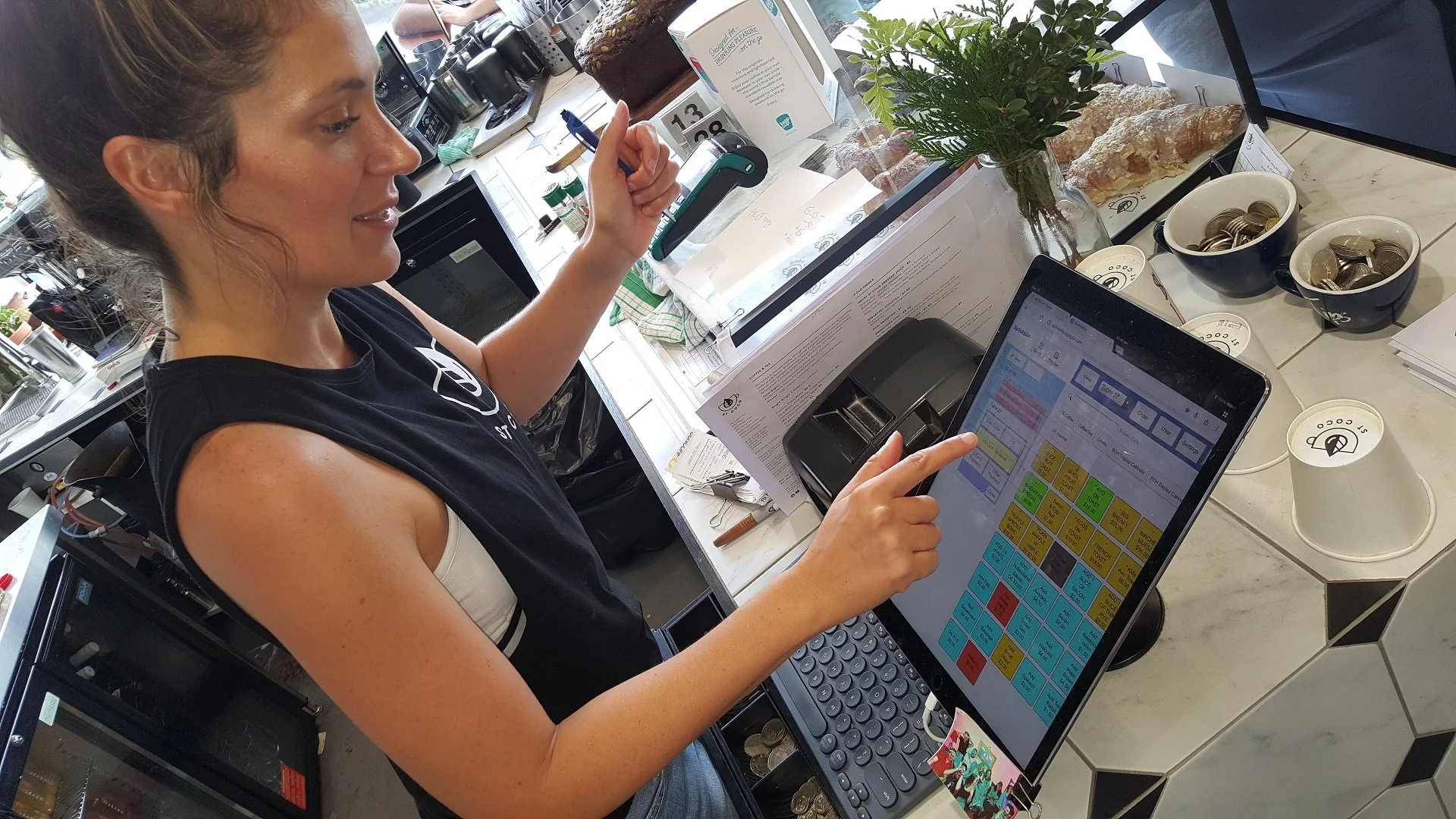
Café POS & payments upgrade ladder for café owners – Switchboard Finance
 ☕ Cafés · Café Hub · 2025
If your Cashflow feels “fine” but margin keeps leaking, it’s often the order pipeline: fees, missed orders, and slow handoff to the kitchen.
This ladder keeps it simple: fix payments first, add ordering second, then tighten kitchen flow with a KDS. The goal is smoother Settlement + fewer errors — without funding the whole thing upfront.
1) The ladder (what to upgrade, in what order)
Most cafés upgrade backwards: they buy “the fancy screen” before fixing payment flow and order capture. This ladder keeps the steps small so the upgrade pays for itself.
Keep the build clean: treat each step like a mini project with one outcome (faster service, fewer misses, better reporting). If you’re weighing provider fees and surcharging rules, start at accc.gov.au — and if the weekly numbers feel “off”, read Café Cashflow vs Growth (What to Fix First).
| Step | What you add | What it fixes | Trigger (you’re ready when…) | Funding lane |
|---|---|---|---|---|
| 1) Terminal | Better EFTPOS + fee structure + reporting | Fee leakage + slow tap-to-paid + messy reconciliation | Fees feel random OR staff avoid upsells because checkout is slow | Low Doc Asset Finance |
| 2) Online ordering | Pickup ordering + menu sync + peak time rules | Missed phone orders + “rush chaos” + wrong items | You get slammed at the same windows every day | Business Line of Credit |
| 3) KDS | Kitchen Display System + routing + bump screens | Lost dockets + remake rate + long waits at pass | Tickets pile up and the “handoff” is the bottleneck | Equipment Finance |
2) Make it “approval-ready” (keep the story clean)
Approvals move faster when you’re clear on what you’re buying, what it solves, and what it costs. Don’t bundle everything into a vague “system upgrade”.
Keep your cash-in view simple using Bank Feeds and show consistent trade — it’s a cleaner story than long explanations. If you’re getting “computer says no” vibes from a mainstream lender, this is usually why: Why Traditional Banks Don’t Understand Café Businesses.
3) Don’t let payments kill your week (simple operating rules)
Upgrades only help if you set rules: when to push ordering, when to pause it, and how to control fee creep. Your staff needs a “default mode” for peak windows.
One clean rule that stops the bleed: map payment and supplier timing like Trade Terms. If your dips are predictable, you’re not “unlucky” — you’re just under-buffered. If you want a clean decision model, this is the café version: Line of Credit vs Working Capital Loan for Cafés.
- Peak windows: online ordering ON (set prep-time caps).
- Overflow: switch to “limited menu” instead of turning ordering off.
- Daily close: reconcile and spot fee spikes once per day (not once per month).
- Weekly: decide if you’re ready for the next step in the ladder.
The clean ladder: fix terminal + fees first, add online ordering second, then add KDS only when kitchen handoff becomes the bottleneck. Keep each step small so it pays for itself.
Next steps: keep upgrades in the asset lane, keep buffers separate, and make the ask readable. Useful links: Café Hub · Low Doc Asset Finance · Business Line of Credit · Working Capital Loans · Invoice Finance · Business Cashflow System (WCL + LOC + Invoice) · Top 5 Café Equipment Upgrades.
FAQ
Often yes — especially when the equipment is clearly defined and separated from subscriptions. If you want the cleanest path, ask for a Pre-Approval with the exact asset list and rough cost.
It depends on how often you replace the gear and whether you want ownership outcomes. If you want flexibility to swap setups, an Operating Lease can suit certain upgrade cycles.
Compare total cost, not just the weekly number — and watch how the rate is structured. If stability matters, ask whether a Fixed Rate is available for the term you want.
Depending on the structure, it can — and it’s normal in asset-backed lending. If you plan to swap providers early, confirm the Early Termination rules upfront so you’re not surprised later.
Keep the ask narrow (exact assets + cost) and show clean trading conduct. If the lender supports it, Bank Verification can reduce back-and-forth and keep the process moving.
