
Dishwasher & Warewashing Finance Ladder (2025)
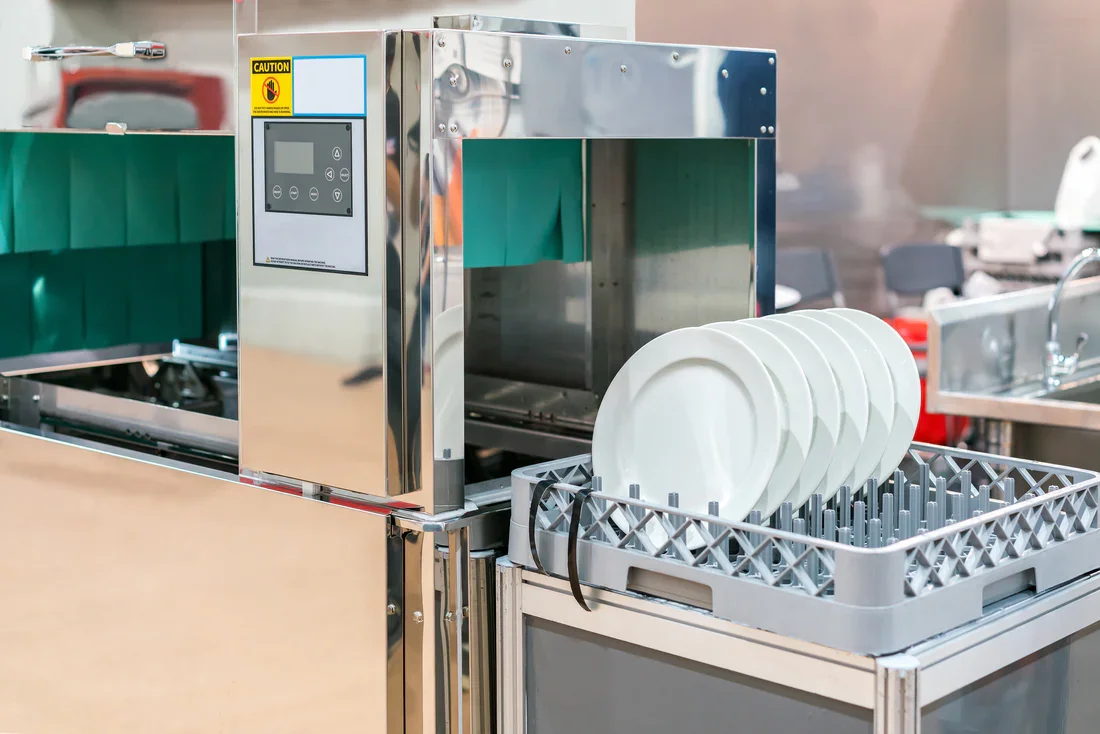
Dishwasher finance ladder for café owners – Switchboard Finance
 🍽️ Cafés · Café Hub · 2025
When dishes start stacking up, it’s not “just busy” — it’s a throughput bottleneck that steals minutes from service and bleeds Cashflow. The fix isn’t always “buy bigger”; it’s upgrading in the right order.
This ladder keeps it simple: match machine type to volume, keep chemicals and service contracts in OPEX, and fund the hardware so you don’t drain the trading account. If you’re planning multiple upgrades, start with Café Fitout Financing in 2025 and skim Cash Flow vs Growth: The Café Owner’s Balancing Act.
1) The ladder (upgrade for flow, not ego)
Warewashing upgrades work best when you pick the smallest step that removes the bottleneck, then only move up once demand is proven. If you want a plain-English small business baseline for planning and operations, business.gov.au is a safe reference point: business.gov.au.
| Step | Best when… | What it fixes | Quick signal to track | Clean funding lane |
|---|---|---|---|---|
| 1) Underbench | Low–mid volume, limited back-of-house space | Slow cycles causing “we’re out of cups” moments | Peak racks/hour (are you constantly maxed?) | Low Doc Asset Finance |
| 2) Pass-through | You can run a clean dirty→clean line | Congestion, double-handling, staff tripping over each other | Queue time before wash (minutes, not vibes) | Equipment Finance |
| 3) Conveyor | High volume or long peak windows | Labour burn + constant run-outs mid-service | Run-outs per service (cups/plates/utensils) | If timing gaps are the real issue: Business Line of Credit or Working Capital Loans |
2) Make it approval-ready (the “clean ask” framework)
Approvals go smoother when the story is operational: “this machine, this quote, this install plan.” Warewashing reads well because you’re fixing a workflow bottleneck — not chasing a speculative growth plan.
Keep the basics tidy: confirm your entity and ABN details match the application, and make it easy to show trading movement. If you can, use Bank Feeds so the numbers are clean and current.
- Supplier quote including install and any required plumbing/electrical works.
- Your “bottleneck signal” (queue time, racks/hour, run-outs per service).
- A simple layout note: where dirty lands, where clean exits.
- What stays as operating cost (chemicals, servicing, consumables).
3) Make the upgrade stick (2-minute operating rules)
New gear doesn’t fix chaos by itself. The win comes from one clear routine: dirty → pre-rinse → wash → air-dry → restock. If two people “sort of” own the line, nobody owns it — and the pile-ups return.
A boring habit that protects your margins: weekly Reconciliation of consumables and service costs, and setting expectations with suppliers around delivery windows and breakage policies via Trade Terms.
- One person “owns” the line during peak (even if it rotates by shift).
- Pre-rinse station stays clear (most bottlenecks start before the machine).
- Rack standard: same layout every time (less rework, faster cycles).
- Peak close reset: benches clear so the next service starts clean.
- Top 5 Café Equipment Upgrades You Can Finance on Low Doc Terms
- Why Traditional Banks Don’t Understand Café Businesses
- Why Every Café Needs a Business Line of Credit in 2025
- Line of Credit vs Working Capital Loan for Cafés
- The Café Cash Flow Pack (LOC + Equipment + ATO Buffer)
- Invoice Finance 101 (Australia)
Upgrade warewashing for flow: underbench removes small peak shortages, pass-through fixes layout and congestion, conveyor only wins when volume is proven. Track one signal (queue time, racks/hour, run-outs), fix the bottleneck, then step up.
Next steps (clean path): Café Hub · Low Doc Asset Finance · Equipment Finance · Business Loans · Café Cash Flow Pack.
FAQ
Yes — you can structure it as a budget-based Pre-Approval for the “step” you’re buying (underbench / pass-through / conveyor), then lock the final model once the supplier quote is confirmed.
A good rule is: match repayment comfort to the equipment’s working life and your peak volume reality. The right Term Length is the one that stays affordable without trapping you in old gear for too long.
Often, yes — it’s normal on asset-backed structures. A PPSR registration is simply how the lender records their security interest in the equipment.
Consistency matters most — stable takings, reasonable expenses, and clean conduct over time. Clear Bank Statements make the “operational upgrade” story easy to assess.
Keep the equipment funding separate from any buffer facility, then set a simple rule for when you pull funds. A disciplined Drawdown rule stops “buffer money” becoming permanent spending.
