
Case Study (Melbourne GP Clinic) (2026): From 2 Consult Rooms to 4
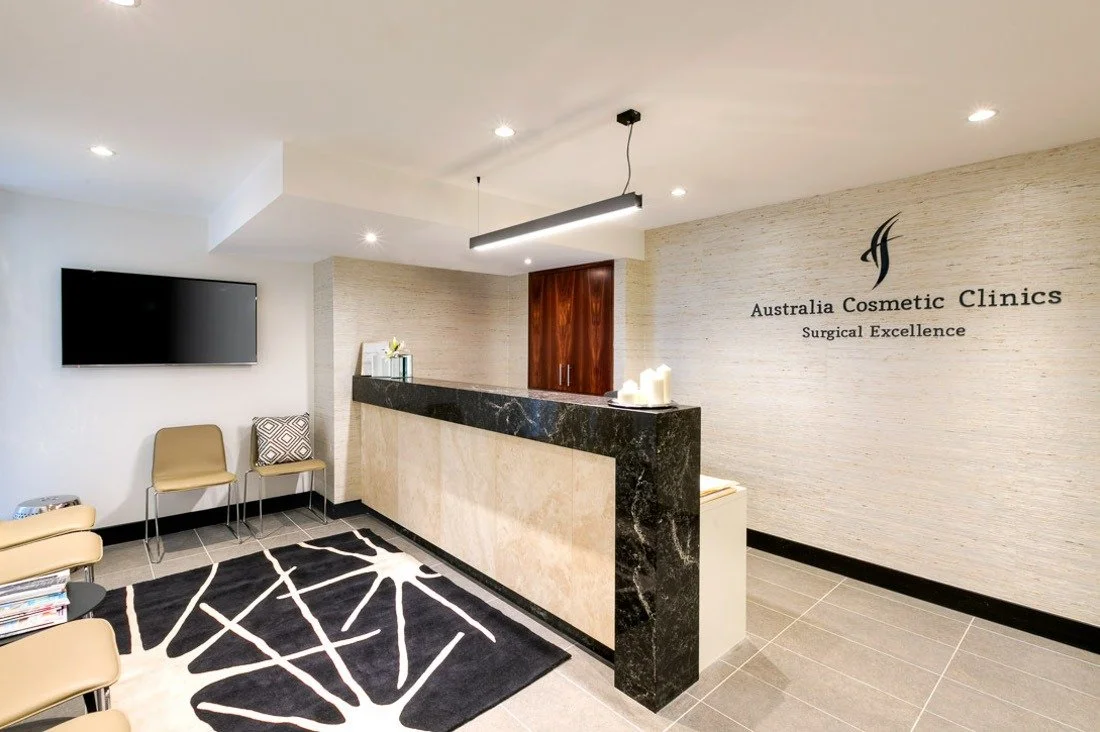
Melbourne GP clinic case study for practice owners – Switchboard Finance
 Insights · Whitecoat/Medical
Case Study (Melbourne GP Clinic) (2026): From 2 Consult Rooms to 4 — Equipment Finance + LOC Without Touching Home Equity
This is a pure growth story: a Melbourne GP clinic expanded from two consult rooms to four by funding the hard assets cleanly, and using a separate cashflow facility for staged costs — without touching home equity.
The core move was separation: equipment funding stayed “asset-clean”, while the flex portion stayed in a business line of credit. That kept the lender posture simple and reduced rework.
The clinic funded equipment through Equipment Finance and used a Business Line of Credit for staged, non-asset and timing costs. The consequence of not splitting it is usually deposit pressure and slower approvals due to valuation ambiguity.
What changed
2 consult rooms → 4 consult rooms (growth + capacity). Fit-out and equipment added in stages.
What stayed protected
No home equity used. Structure relied on clean asset funding + a separate LOC for timing.
1) The situation: growth pressure and physical bottlenecks
The clinic was consistently booked out and had a simple constraint: rooms. Adding clinicians didn’t help without space to consult.
The risk was funding everything as one “big bundle” — which often forces larger deposits when quotes mix non-asset items. If they bundled it, the consequence would likely be slower assessment and higher cash contribution.
- Goal: expand capacity fast without straining cashflow
- Constraint: staged build timeline (not everything paid on Day 1)
- Non-negotiable: don’t touch home equity; keep it business-only
The clinic had two new doctors ready to start, but appointment supply was capped by rooms. The expansion wasn’t “nice to have” — it was directly tied to revenue capacity.
2) The structure: equipment finance + LOC (kept separate on purpose)
The clinic separated the spend into two lanes: assets that can be valued cleanly vs flexible timing costs. That’s how you keep lender posture simple.
If you don’t separate these, the consequence is valuation uncertainty — and that’s where deposits jump and conditions grow. The clinic avoided that by keeping the quote “asset-clean”.
- Lane A: equipment funded via Equipment Finance
- Lane B: timing + soft costs funded via Business Line of Credit
- Hub path: start from Whitecoat Hub to keep the lane consistent
| Spend category | Best lane | Why | What happens if bundled |
|---|---|---|---|
| Hard equipment (itemised models/SKUs) | Equipment Finance | Clean valuation + cleaner security logic | Deposit risk rises |
| Staged timing costs (progress payments) | Business Line of Credit | Flex to draw when required | Mismatch causes rework |
| Buffer for trade timing gaps | Working Capital Loans | Separate safety net if needed | Cashflow stress |
The clinic’s vendor initially issued a “package” quote that mixed equipment with services. They reissued it into separate sections. That single move reduced valuation ambiguity and kept the asset lane clean.
3) Timeline: why “staged drawdown” matters for clinics
Clinic expansions rarely spend all cash on Day 1. You pay deposits, then progress claims, then final delivery and install. A flexible facility protects you from having to over-borrow or scramble mid-project.
If you try to fund staged costs inside a single equipment facility, the consequence is delays: lenders ask for quote revisions, updated invoices, and proof of completion at each step.
- Stage 1: quote issued cleanly (assets separated)
- Stage 2: equipment lane approved; LOC lane approved
- Stage 3: progress payments drawn as needed (keeps cashflow stable)
The clinic didn’t draw the full flex amount. They only drew when builders hit milestones. That avoided paying for money they didn’t need yet — and kept monthly pressure lower.
4) What made approval cleaner (and what would’ve slowed it down)
This case study isn’t “magic lender selection”. It’s packaging. The clinic made it easy to assess: clear purpose, clean asset scope, and a separate lane for flexible costs.
If they didn’t do this, the consequence would be predictable: deposit increases, quote rework, and timeline stalls. Two sibling posts cover the nuts-and-bolts of timelines and documents.
- Siblings (different intent): Clinic Equipment Finance Approval Timeline (2026) and Clinic Fitout Finance Documents Checklist (2026)
- Persona explainer: Asset Finance for Doctors: Cars, Equipment and Fitouts Through the Practice
- Money page path: Low Doc Asset Finance (for ABN-led deals)
The clinic originally considered rolling everything into one facility. Splitting the structure created cleaner decision logic: “equipment is valued, flex is controlled” — and the lender didn’t need home equity as a crutch.
This growth case study worked because the clinic separated the spend: clean equipment finance for hard assets and a separate LOC for timing/soft costs. That avoided valuation confusion — the #1 trigger for deposit blowouts and slow approvals.
Start in the Whitecoat Hub, keep a path to the money page (Low Doc Asset Finance), then structure flexibility with a Business Line of Credit.
FAQs
Short answers for practice owners considering a room expansion structure.
Yes — the hard equipment portion is classic asset finance. The key is splitting the soft/timing portion into a separate facility so valuation stays clean.
Because you don’t pay everything at once. A structured drawdown approach aligns to milestones, which is exactly what a business line of credit is designed for.
They test borrowing capacity using a realistic month, backed by a cash flow assessment — not your best week.
Start with structure, then optimise repayment comfort. Once it’s clean, tune term length and consider whether a fixed rate makes sense for stability.
- Melbourne Airport Freight Owner-Driver Checklist (2026)
- Adding Drivers vs Adding Trucks (2026)
- Owner-Driver Bank Statement Patterns (Manual Review) (2026)
- Truck Finance Subcontractors: Own Authority Proof Pack (2026)
- Bankruptcy Sale Machinery Finance (2026)
- Private Sales, Auctions & Imports: Plant Approval Red Flags (2026)
- Catch-Up BAS + Late Lodgement Penalties (2026)
- The Split-Security Commercial Launch (2026)
Newest whitecoat guides
Newest in the Whitecoat Hub
Four fresh, lender-practical reads for clinics and medical professionals — designed to cut back-and-forth and keep approvals moving.
Clinic Finance Conditional Approval (2026)
What “conditional” really means, what lenders ask for next, and how to lock it in cleanly.
Adding a Practitioner Mid-Quarter (2026)
How staffing changes hit clinic cashflow, lender servicing, and facility sizing in real time.
South East Melbourne & Mornington Peninsula Clinic Finance (2026)
A local, clinic-first checklist for smooth approvals across fitout, equipment, and cashflow buffers.
Doctor Car Finance When You Pay Yourself in Drawings
How lenders read drawings vs wages, what to show, and how to avoid avoidable credit friction.
