
Company Driver to Owner-Driver Truck Finance (2026)
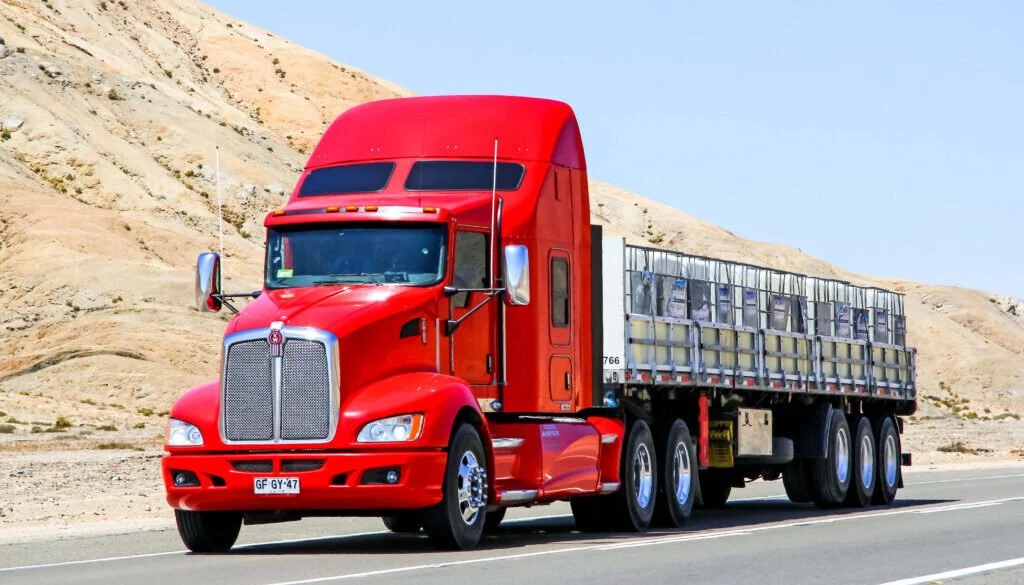
Owner-driver truck finance documents checklist for first-time operators | Switchboard Finance
 🚛 owner-driver setup · first rig approvals · 15-doc pack ·
Truckie Hub · 2026
🚛 owner-driver setup · first rig approvals · 15-doc pack ·
Truckie Hub · 2026
If you’ve driven trucks for years, lenders still treat your “first rig as an owner-driver” as a new risk profile. The fastest approvals happen when you package the transition properly: business setup proof + contract/income proof + a clean truck file.
New to the transport finance corridor? Start with What Is Fleet Finance and How Does It Work?, then use this page as your pre-application checklist.
1) The transition lenders care about (even if you can drive)
A company driver has stable PAYG wages. An owner-driver has variable income, operating costs, and contract dependency. That’s why “same person, same route” can still trigger extra questions the first time you apply.
Your goal is simple: prove you can win work, invoice/collect, and manage cash outflows (fuel, servicing, rego, insurance) without stress. The pack below is designed to stop the usual “pending” loop.
- Work proof: you have a contract, rate confirmation, or ongoing run history evidence
- Banking proof: your income and costs are visible and consistent (not messy or mixed)
- Truck proof: the asset file is clean (quote/invoice, identifiers, no surprises)
2) The 15-document approval pack (grouped so it’s fast to submit)
Don’t send a random pile of PDFs. Send a tight pack with labels. Lenders move quicker when the story is obvious in the first 3 minutes.
| Pack section | What to include | Why lenders ask | Common “pending” mistake |
|---|---|---|---|
| A) Identity + business setup (5) |
|
Confirms who is borrowing and how the entity trades | Submitting with missing entity details or mismatched names |
| B) Income + work proof (4) |
|
Proves the “work engine” exists (not just a plan) | Only providing a verbal story with no paper trail |
| C) Banking + conduct (3) |
|
Shows cashflow reality and whether the repayments “fit” | Mixing personal + business flows so the numbers look chaotic |
| D) Truck file (3) |
|
Enables valuation and confirms the asset is clean | Submitting a vague quote with missing specs or identifiers |
3) The 7 setup steps (do these before you apply)
These steps aren’t “busywork.” They reduce assessor doubt. You’re signalling: “I’m already operating like an owner-driver, not just dreaming about it.”
- Step 1: Lock in your ABN and trading structure details (names consistent everywhere)
- Step 2: Open a dedicated business account and route all income + major costs through it
- Step 3: Ensure your Bank Statements show “real operations” (not mixed transfers and noise)
- Step 4: Confirm your first contract/rates in writing (even if it’s a simple rate sheet)
- Step 5: Build your “cost stack” on one page (fuel, insurance, rego, maintenance, tolls)
- Step 6: Decide your structure early (deposit vs balloon vs term) so you don’t keep changing the deal mid-assessment
- Step 7: Choose an approval-friendly asset path (clear invoice/quote, full specs, no missing identifiers)
4) Approval timeline (what happens in 48 hours vs days 3–7)
The first 48 hours is usually about: “Is the file coherent?” If yes, you move to valuation and final checks. If not, you get stuck in “pending” while missing pieces are requested.
If you want the exact step-by-step timing view, use: Truck Finance Approval Timeline (Low Doc): What Happens in the First 48 Hours vs Days 3–7. This page is your “pack builder” to match that timeline.
- One-page deal summary: truck, price, term, structure, intended use
- One-page work proof: contract/rates + run history evidence in a single place
- One clean banking set: consistent flows, minimal unexplained cash movements
5) If you want to buy now, but your file isn’t clean yet
Sometimes you’re ready to drive tomorrow — but the paperwork is two steps behind. If that’s you, don’t rush into a messy application. Fix the pack first.
Your clean “baseline” checklist is: Truck Finance Checklist 2025: What Owner-Drivers Need Before Applying. Once that’s tight, this page becomes your transition overlay.
And if your structure needs to stay flexible (deposit vs balloon, faster low doc paths, and approval packaging), the most relevant money page to start from is Low Doc Vehicle Finance.
- Move 1: consolidate income + costs into one business account for a clean statement set
- Move 2: get rates/work confirmation in writing (even a simple document)
- Move 3: build a “proof pack” for your first gigs so the lender can trust continuity
If your work proof is the missing piece, don’t guess — use the dedicated pack here: Transport Contract Proof Pack (2026): Rate Confirmations, Run History & Docket Evidence for Faster Truck Finance.
The company driver → owner-driver jump is a paperwork jump, not a skill jump. Fast approvals come from a clean pack: business setup + work proof + banking conduct + a tidy truck file.
The consequence of submitting “half a file” is predictable: pending, valuation delays, and avoidable declines on “insufficient evidence.” If you want to move fast, send the 15-doc pack and complete the 7 setup steps before the application goes in.
FAQ
In most cases, yes — because the lender is assessing an operating entity, not just a person. Start by locking in your ABN details so names and registrations match your paperwork.
Written work evidence: a contract, rate confirmation, or run history proof that shows continuity. Without it, the assessor sees “startup risk,” even if you’ve driven the same routes for years.
It varies by lender, but the practical rule is: supply a clean set that shows consistent income and realistic costs. Messy Bank Statements are a common reason deals go “pending” while the lender requests clarification.
Paperwork and “story clarity.” Valuation often moves quickly once the asset file is complete. The biggest slowdowns are missing work proof, mismatched entity details, or unclear banking flows.
Build the pack first (work proof + banking set + truck specs) and keep the structure simple. If you apply with a changing story, you lose speed — even with good income.
Disclaimer: This content is general information only and isn’t financial, legal, or tax advice.
