
Modified Trucks & Specialty Bodies (2026)
Modified truck finance valuation haircut and deposit trigger checklist (2026)
 🧰 specialty bodies · valuation haircuts · deposit triggers ·
Truckie Hub · 2026
🧰 specialty bodies · valuation haircuts · deposit triggers ·
Truckie Hub · 2026
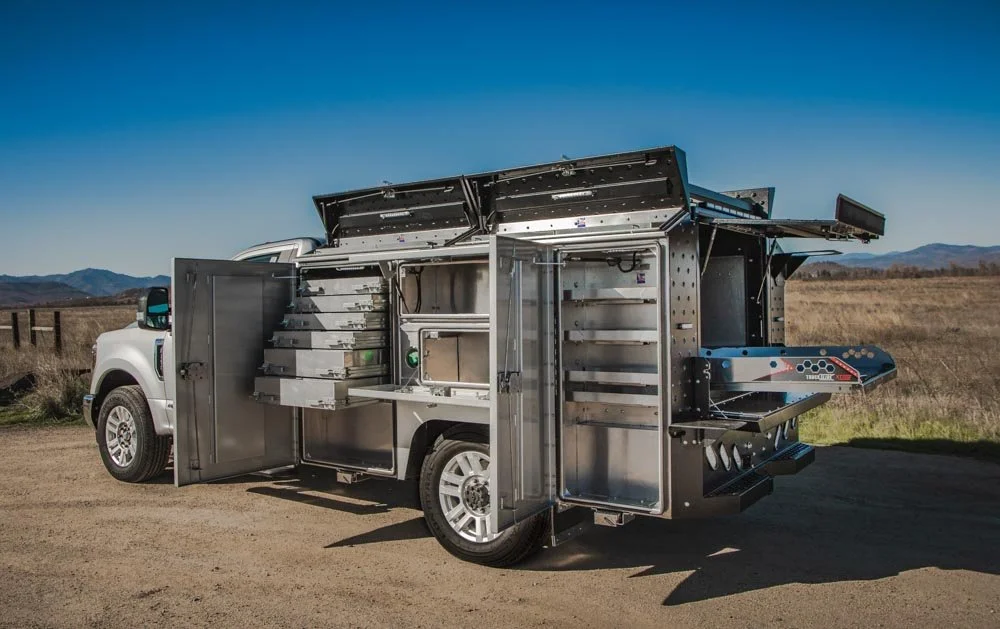
If your truck has a specialty body (tipper, tautliner, refrigerated, hooklift, HIAB, custom tray, crane, toolbox fit-out), you’re not just financing a truck — you’re financing a truck plus a body that may not hold the same resale value in every market. That’s why approvals can suddenly demand bigger deposits or come back lower than expected.
If you want the baseline corridor first, start with Truck Finance Checklist 2025, then use this page to prevent valuation surprises on modified builds.
1) What a “valuation haircut” really means (and why modified trucks trigger it)
A valuation haircut happens when the lender values the truck below the purchase price. The deal doesn’t necessarily fail — but your deposit requirement effectively increases because the lender won’t fund the full invoice.
Modified trucks trigger haircuts because the resale market is narrower and the body’s value can be harder to verify. A standard prime mover has lots of buyers; a very specific hooklift or custom fit-out might have fewer.
- Specialty body or major Truck Body Fit-Out (tipper, hooklift, HIAB, tautliner, reefer)
- Older base truck with a newer body (mismatch in age/value profile)
- Custom add-ons (cranes, PTO-driven hydraulics, toolboxes, refrigeration plant)
- Private sale with limited evidence or unclear spec history
2) The deposit triggers that get declined fast (and how to avoid them)
Deposits aren’t just about your cash. They’re the lender’s way of reducing exposure when the asset is harder to value or resell. If the file looks risky, the lender either wants more deposit — or simply says no.
| Trigger | Why it spooks lenders | What to provide instead | Consequence if ignored |
|---|---|---|---|
| Invoice includes “body + truck” but no itemisation | They can’t verify how much value is base truck vs fit-out | Itemised invoice showing truck, body, install, and add-ons separately | Valuation haircut → bigger deposit or stalled approval |
| Private sale with light paperwork | Higher fraud/unknown-condition risk | Clear sale contract + identifiers (VIN) + inspection evidence + PPSR check | Decline or stricter deposit requirement |
| Unclear usage / job type | If they can’t see stable revenue, the body looks “niche” | Contract/rate proof + run history + expected weekly utilisation | Lower approved amount or decline |
| Mismatch: old truck + expensive body | Body value can’t override an ageing base asset | Evidence of recent servicing, roadworthy history, and fit-for-purpose lifecycle | Haircut, shorter term, or bigger deposit |
| Poor deal packaging / repeated changes | Looks unstable; assessors lose confidence | Lock structure once (term, balloon, deposit) and submit cleanly | Pending delays and “no appetite” outcomes |
3) The valuation evidence pack (what to show so the price looks real)
Think of valuation like this: the lender wants to fund something they can resell if worst-case happens. Your job is to prove the body and modifications are standard, documented, and priced in-market.
- Itemised invoice: base truck, body, install, accessories, on-road costs
- Spec sheet: body brand/model, dimensions, load rating, hydraulics/PTO where relevant
- Compliance proof: roadworthy and rego papers where applicable
- Identifiers: VIN + body serial (if available) to prevent “unknown asset” flags
- Condition support: service history / inspection summary (especially for used rigs)
If you’re refinancing or restructuring an existing asset (especially after a body upgrade), make sure you understand the payout and discharge steps first: What Is a Discharge Authority in Asset Finance Refi? (2026). It helps you avoid settlement delays when the new lender needs clean payout paperwork.
4) Your “deposit gap” math (why it surprises people)
A deposit gap is simply the difference between purchase price and what the lender will fund based on valuation and LVR. On modified trucks, the gap can appear even when you planned “no deposit.”
- Purchase price is what you pay
- Valuation is what the lender believes it’s worth
- LVR controls the maximum lend against that valuation
- If valuation comes back lower, your required cash contribution rises automatically
If you want flexibility to keep cash in the business while still clearing lender comfort, the “forced target” money page to start from is: Low Doc Vehicle Finance.
5) Clean approval strategies for specialty bodies (what actually works)
The goal isn’t to “fight the valuation.” It’s to make the valuation easy. Most wins come from clarity: what the body is, what it cost, what it’s used for, and how stable the work is.
- Make the body verifiable: itemised invoice + spec sheet + compliance documents
- Make the work obvious: rate confirmation / contract evidence + run history
- Make the structure stable: lock term length + deposit plan + balloon choice early
If you’re still building your operator profile (first specialty rig, first contracts), pair this with: Company Driver to Owner-Driver (2026): The Approval-Ready Truck Finance Pack so your business proof is as strong as your asset proof.
Modified trucks don’t fail because they’re “bad assets.” They fail because the value is harder to verify. Expect valuation haircuts when invoices aren’t itemised, specs are unclear, or the body is highly niche.
The consequence of ignoring deposit triggers is a painful surprise: valuation comes in lower, your deposit gap rises, and you risk paying supplier deposits before finance is actually locked. Fix it with an evidence pack: itemised invoice, spec sheet, compliance proof, and clear work evidence.
FAQ
Because the resale market is narrower and the body’s value can be harder to verify. An itemised invoice plus a spec sheet makes the valuation easier and often reduces the haircut.
A non-itemised invoice (“truck package $X”). If the lender can’t see what the body cost, they often value conservatively — which increases your deposit gap.
LVR sets the maximum lend against the lender’s valuation. If valuation is lower than purchase price, the maximum funded amount drops and your cash contribution rises.
An itemised dealer invoice, a spec sheet for the body/fit-out, and clear identifiers (VIN). Those three remove the “unknown asset” problem that causes pending delays.
Make sure settlement paperwork is clean and the payout process is understood. A messy payout/discharge can delay settlement even when the new approval is ready.
Disclaimer: This content is general information only and isn’t financial, legal, or tax advice.
