
Dental Equipment Finance 2025: Chairs, Sterilisers & Imaging on Low Doc Terms
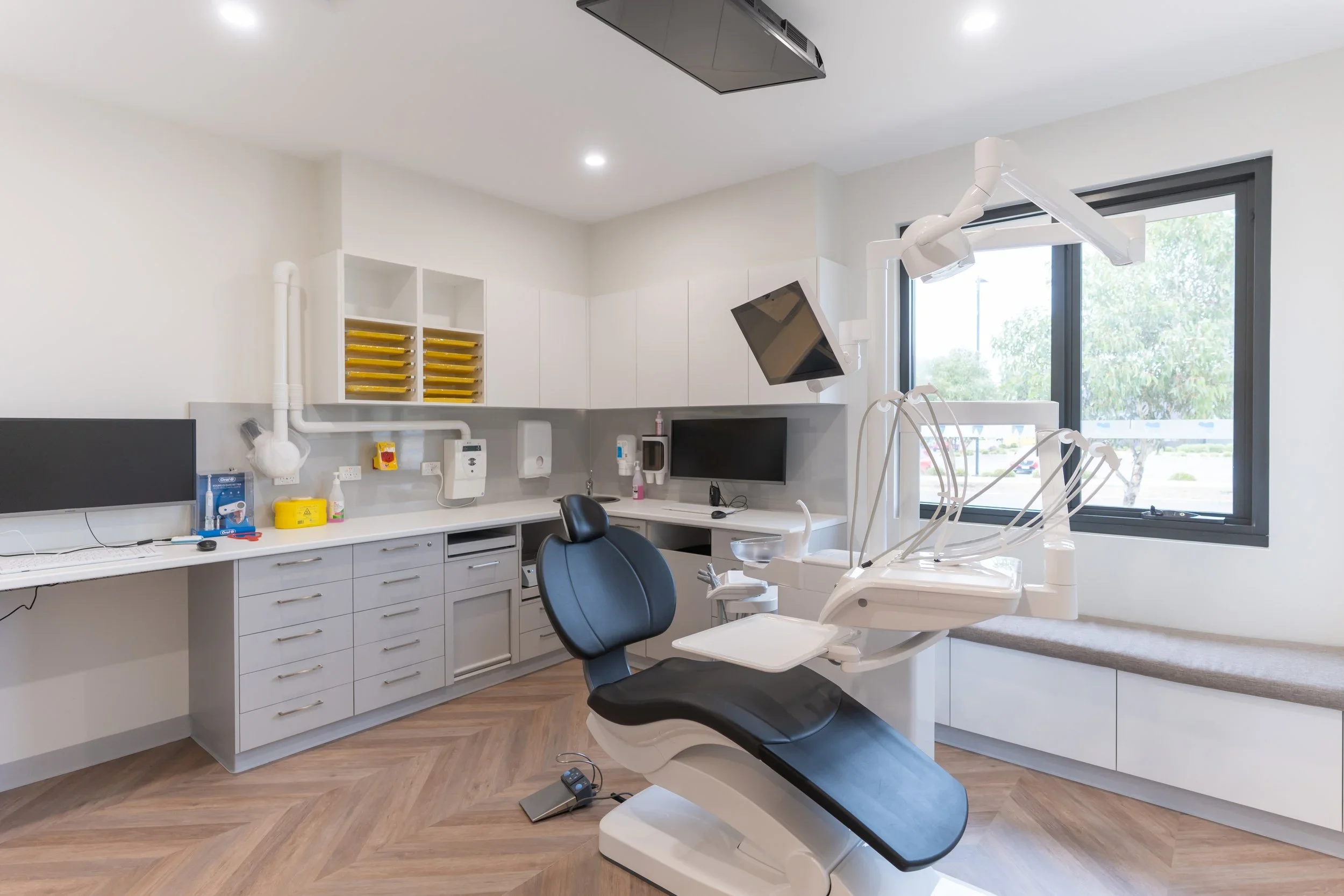
Dental equipment finance for Australian clinics and dentists – Switchboard Finance
Dental Equipment Finance 2025: Chairs, sterilisers & imaging on low doc terms
A simple way to think about dental equipment finance: upgrade the right items in the right order, on low doc terms that your clinic’s cash flow can actually handle.
The dental upgrade ladder (typical order)
You don’t have to do all four at once. A low doc limit lets you move up the ladder in stages.
What to finance first in a dental clinic
Most clinics don’t have a “spare” $300k–$600k sitting in the account. The goal is to use dental equipment finance to upgrade what actually drives revenue per chair, not just what looks good in photos.
Think of finance as a way to stage your ladder: stabilise the core rooms, tighten up infection control, then layer on imaging and cosmetic gear once the base production is humming.
| Upgrade step | Typical spend | Common structure | Clinic example |
|---|---|---|---|
| 2–3 new chairs & delivery units | $120k–$250k | 5–7 year equipment finance | Convert one low-yield room into a full production room. |
| Steriliser + washer-disinfector | $40k–$80k | 4–5 year facility alongside chair upgrades | Push more patients per session with faster turnaround. |
| OPG/CBCT + intraoral scanner | $150k–$300k | 5–7 year facility, often under the same limit | Bring diagnostic work in-house instead of referring out. |
| Cosmetic & aligner gear | $40k–$120k | Shorter 3–5 year facility | Add elective work once core surgery time is booked out. |
Example: A four-chair practice in Geelong finances two new chairs and a steriliser on one facility, then adds CBCT 18 months later once billings catch up.
How low doc dental equipment finance is usually structured
Busy clinics rarely want to dig up full tax returns for every lender. Low doc options let established practices borrow off trading performance and bank data instead of a full set of financials and complex cash flow assessment paperwork.
Lenders typically look at your clinical rooms, hygiene books and billings trend, then size a single facility limit that can cover multiple pieces of gear over 6–18 months.
Example: A two-partner clinic in Brisbane sets up a $400k low doc limit, draws $220k for chairs and sterilisers now, then taps the balance for imaging upgrades once the first stage has bedded in.
Keeping cash flow under control while you upgrade
The wrong structure can leave a clinic with sparkling new gear and a monthly repayment that quietly eats every extra crown and hygiene visit. The goal is to match your repayments to the real lift in billings from each stage of the ladder.
For most surgeries, that means slightly longer terms on big base items (chairs, sterilisers, CBCT) and shorter terms on cosmetic add-ons that drive faster, higher-margin work, with a sensible term length for each.
| Scenario | Repayments feel like | Best for |
|---|---|---|
| Short term, no residual | High monthly hit, faster pay-out | Clinics with very strong hygiene and surgery utilisation. |
| Medium term, balanced structure | Comfortable monthly, paid out in 5–6 years | Growing clinics adding one or two new rooms. |
| Staged upgrades under one limit | Small steps as each piece of gear goes live | Clinics planning a multi-stage refit over 12–24 months. |
Example: A suburban surgery uses a mid-length structure for chairs and steriliser, then a shorter add-on for cosmetic whitening gear once the new rooms are fully booked.
Bundle your dental upgrades into one simple low doc plan
If your clinic has solid books and busy chairs, you can often bundle chairs, sterilisers and imaging into a single low doc limit instead of juggling three separate loans. That lets you move up the ladder in stages while keeping repayments inside a safe slice of clinic revenue.
Many practices start here, then plug into the broader Whitecoat system with the Whitecoat Growth Pack and their existing low doc asset finance pathway, instead of rebuilding everything from scratch.
Dental equipment finance FAQs
Short answers for busy dentists and practice managers who want clean, low doc structures that match how a clinic actually runs day to day.
Most low doc lenders prefer at least two years of trading under the same entity, with clear 6–12 months trading history that shows stable billings and chair-time usage.
If you have a newer clinic but long personal history as a dentist, a broker can sometimes present this as part of the story and lean more heavily on your bank and software data.
A dental facility is usually built around specific chairs, sterilisers and imaging assets, rather than a general-purpose cash advance style product.
Because it’s tied to a clear facility limit with named assets, pricing is often sharper and the term can be matched to how long the gear will stay productive.
Lenders and brokers look at your billings trend, hygiene books and staff costs to estimate how much free cash the clinic has each month.
They’ll usually use recent bank statements and reports from your practice software to size repayments so you’re still comfortable if a room is offline or a dentist takes extended leave.
Most clinics spread big base items over a medium to longer term so the repayments match how long the gear will realistically stay in service.
Your accountant can help you pick a term that lines up with the asset’s useful life and clinic growth plans, rather than just chasing the lowest monthly repayment.
Once quotes and data are ready, many established clinics can move from application to decision in a few business days with the right lender.
A broker will often set up a clear pre-approval limit first, then line up settlement around supplier timelines so installation doesn’t clash with your busiest surgery days.
