
Truck & Farm Transport Facility Ladder 2025: Grow from Fuel Card to LOC, WCL & Invoice Finance
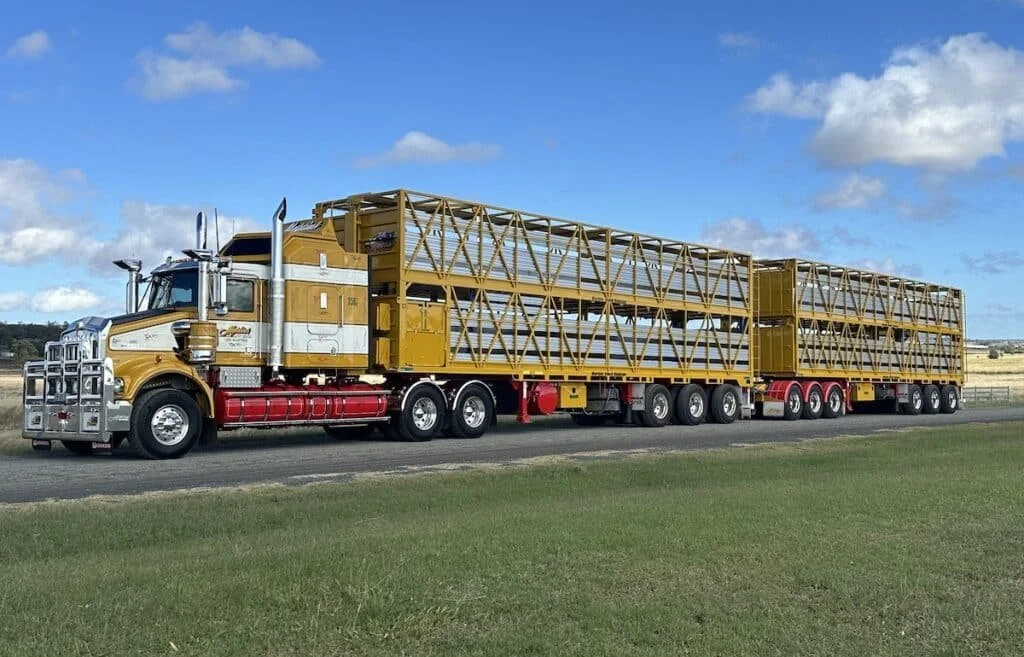
Truck and farm transport facility ladder for grain and livestock operators – Switchboard Finance

Plenty of operators start with whatever credit the bank or fuel company will give them – card here, overdraft there – and only realise later that the limits don’t match their work.
This facility ladder helps truckies and farmers running trucks on an ABN to step up from “random limits” to a simple, structured mix of facilities that grows with your Cashflow.
Step 1: Mark where you sit today on the facility ladder
First job is to list what you actually use now – fuel cards, overdraft, maybe a small limit tucked into the farm account – and what each one is meant to cover.
A quick table like this turns “bit of credit everywhere” into something you can actually adjust instead of just reacting.
| Facility type | Typical limit | Main job | Common problem |
|---|---|---|---|
| Fuel cards | $5k–$20k | Diesel only | No help for tyres or repairs |
| Overdraft | $10k–$50k | Day-to-day smoothing | Always sitting near max |
| Single truck loan | Per truck | Repayments only | No buffer around breakdowns |
Step 2: Build a 3-stage facility ladder for trucks & ag haulage
Instead of grabbing whatever’s offered, you move up in stages: start with a clean weekly bucket, then layer on a small Working Capital facility, then add Invoice Finance if slow-paying clients justify it.
Each stage has a job, a rough limit range and a simple rule so you don’t jump too far too fast.
| Stage | Main facility mix | Rough limit | Best for |
|---|---|---|---|
| Stage 1 | Fuel cards + basic buffer | $10k–$40k | 1 truck, mostly local work |
| Stage 2 | Fuel cards + small WCL | $40k–$100k | 1–2 trucks, mixed farm & contract |
| Stage 3 | LOC + WCL + Invoice facility | $100k–$300k | 2–5 trucks, regular contract runs |
Step 3: Keep limits inside a safe band vs revenue
The ladder works best when limits grow roughly with what your trucks actually bill, not with how confident you feel after a big season.
A simple bar view like this helps you see if facilities are in a healthy band or starting to lean too hard on future work.
Step 4: Plug the ladder into your trucks, hubs & long-term plan
The facility ladder sits beside your truck plan, not instead of it. Your rigs, balloons and replacement timing live in guides like the staggered fleet replacement plan, the truck replacement cycle, the farm haulage upgrade ladder and the fleet finance explainer.
The ladder here is about which facilities sit under that plan: LOC for swings, Working Capital Loans for upgrades, Invoice Finance for slow payers, all feeding through your truck & farm cashflow map.
- Use the Truckie Hub to line up your rigs, balloons and fleet timing.
- Use the Business Owners Finance Hub to size your LOC, WCL and Invoice facilities.
- Keep your core truck loans on Low Doc Asset Finance or Low Doc Vehicle Finance, then bolt cashflow tools on top through the Business Loans hub.
