
Espresso Machine Finance for Cafes: Chattel Mortgage Structure (2026)
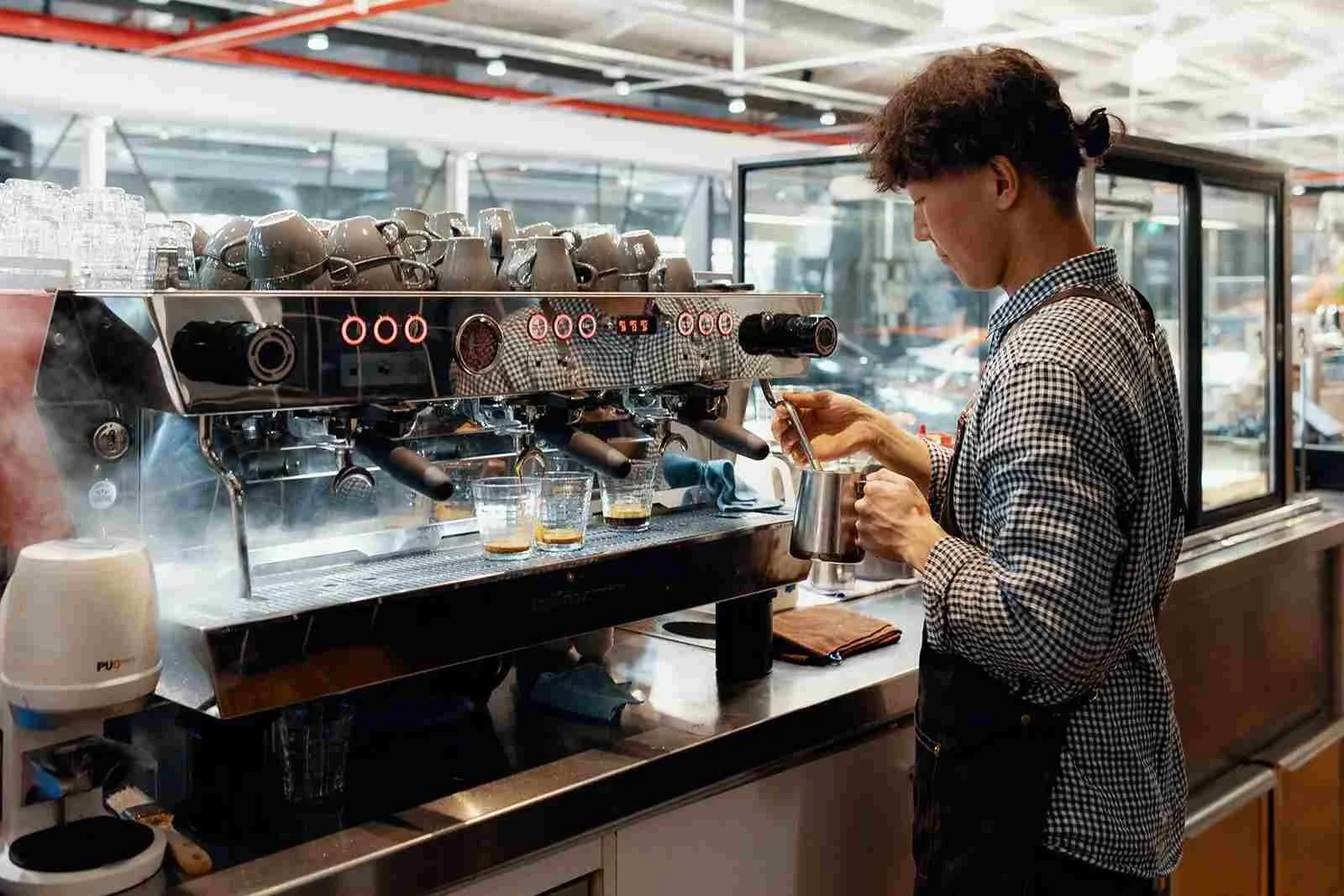
Espresso machine chattel mortgage finance for cafes, Switchboard Finance
 Cafe Hub
Chattel Mortgage · Espresso Machine · GST
Espresso Machine Finance for Cafes, Chattel Mortgage Structure (2026)
A chattel mortgage is the structure most cafe operators use to finance a commercial espresso machine, because it puts the asset on the cafe's balance sheet from day one and pulls the GST credit forward to the next BAS. Here is how the structure actually works, and what lenders look at first.
Quick Answer
A chattel mortgage finances a commercial espresso machine by transferring ownership at settlement while the lender holds a security interest. The structure pulls the GST credit forward to the next BAS, starts depreciation from day one, and supports a balloon-shaped repayment profile aligned to cafe cashflow.
What a chattel mortgage actually is for a cafe espresso machine
A chattel mortgage is an asset finance structure where the cafe owns the espresso machine from the moment of settlement, and the lender registers a security interest against it. That single mechanic is what drives every downstream tax, GST, and balance-sheet difference between a chattel mortgage and a lease. The cafe holds title; the lender holds the security; the finance schedule sits in between.
For a commercial coffee machine, that ownership-at-settlement point matters more than most operators realise. It means the machine sits on the cafe's balance sheet immediately, which feeds depreciation from day one, and it means the full GST component of the purchase price is treated as the cafe's input tax credit on the next quarterly BAS, typically. Compare that to an operating lease, where ownership stays with the financier and the GST flows through on each rental instalment instead, and the cashflow shape is materially different in year one.
Most independent cafes finance their espresso machine through a chattel mortgage for exactly that reason. The structure is also what unlocks Instant Asset Write-Off treatment for SBE cafes under turnover thresholds, where applicable, when the machine is installed ready for use inside the eligible window. More on that below.
Chattel mortgage versus operating lease, how the cashflow shape differs
The most common alternative to a chattel mortgage for an espresso machine is an operating lease. Both fund the same physical asset, but they sit on the books very differently and they change the cashflow shape across the term. Here is the comparison the way a credit team and an accountant would lay it out side by side.
Looking across both structures together, what lenders actually look at first is whether the cafe can service the structure across a realistic seasonal cashflow, not whether the structure is theoretically optimal on a tax basis. The chattel mortgage tends to win for owner-operators who plan to keep the machine through its working life and want the GST timing benefit; the operating lease tends to win where the cafe wants to refresh equipment frequently or keep the asset off the balance sheet for accounting reasons.
For a deeper read on how cafe equipment finance interacts with low-doc lender appetite, see our walkthrough on cafe kitchen equipment finance under a low doc structure, which covers the same chattel mortgage mechanics for ovens, fridges, and front-of-house assets.
The GST credit on the next BAS, how the timing works
For a GST-registered cafe, the GST component of the espresso machine purchase price is typically claimable on the next BAS following settlement, not spread across the finance term. That is the headline cashflow effect of a chattel mortgage, and it is the single biggest reason owner-operators pick this structure over a lease for a substantial equipment buy.
The mechanic is straightforward. At settlement, the cafe receives a tax invoice from the supplier for the full machine price including GST. Because the chattel mortgage transfers ownership at that point, the cafe is treated as the purchaser for GST purposes, and the input tax credit flows through the cafe's BAS in the period of acquisition. If the cafe reports quarterly, that means the GST refund (or offset) lands on the next quarterly BAS, typically. Monthly reporters see the credit faster.
Two practitioner notes from how this commonly plays out. First, the timing only holds if the supplier invoice is in the cafe's name, not the financier's, which is the default for chattel mortgage settlements but is worth checking on the settlement docs. Second, the cafe's accountant will need to align the BAS lodgement with the settlement date so the credit period matches, particularly around quarter ends. The full GST timing logic for asset acquisitions is set out in the ATO depreciation and capital allowances guidance, which is the primary source for both the GST credit treatment and the depreciation start.
Term, balloon and depreciation, the structure variables you actually choose
Three structural variables sit inside every espresso machine chattel mortgage, and the operator gets a real choice on each of them. Understanding how they interact is what separates a finance structure that fits the cafe from one that fights it.
Term. A 5 to 7 year typical term, indicative, is the common range for a commercial espresso machine. The term should track the realistic working life of the asset under the cafe's volume profile. A two-group machine pulling 30 kilograms of coffee a week wears differently to a single-group in a 5 kilogram-a-week site, and the finance term should reflect that. Going too long stretches repayments below the asset's economic life and creates a refinance gap; going too short loads up the monthly payment unnecessarily.
Balloon. A balloon payment sits at the end of the term as a lump sum, and reduces the monthly payment through the life of the loan. Balloon ranges typically sit around 0 to 30 percent of the financed amount, varies by lender. Operators use balloons to align repayments with cashflow and to plan a refinance plus machine upgrade at term end. The trade-off is that the balloon needs a plan, either pay it out, refinance it, or roll it into the next equipment cycle.
Depreciation. Because the cafe owns the machine from settlement, depreciation starts from the day the asset is installed ready for use. For SBE cafes, the per-asset Instant Asset Write-Off threshold for FY25-26 is currently $20,000 per ATO guidance as at May 2026, illustrative for FY25-26 and varies year to year. The threshold is currently legislated to revert to a typical $1,000 floor from 1 July 2026 unless extended, which is a present-tense framing item only. Many commercial espresso machines sit above the indicative $20,000 threshold, illustrative, in which case general small business depreciation pool rules apply. Talk to your accountant on the specifics for your cafe's tax position.
PPSR registration and what happens at the end of term
One mechanical step on every chattel mortgage settlement is the lender's PPSR registration, recording the lender's security interest on the Personal Property Securities Register. The PPSR registration window is typically days from settlement and is back-office work for the cafe, but it is what gives the lender priority over the asset if anything goes wrong, and it is what a business sale process needs to clear at the same time as a settlement.
At the end of the term, the structure resolves cleanly. If there is no balloon, the final repayment closes out the loan and the security interest is discharged. If there is a balloon, the cafe pays it out, refinances it into a new facility, or trades the machine in towards an upgrade and rolls the balance into a new chattel mortgage. The choice usually comes down to where the asset sits on its working life and what the cafe's growth plan looks like at that moment.
For broader cafe operating finance beyond the espresso machine itself, the same chattel mortgage structure scales across the equipment stack, ovens, undercounter fridges, dishwashers, point-of-sale, and front-of-house. See our equipment finance overview for how the structure holds across the full cafe asset list, and the Cafe Hub for the broader cafe finance picture including fitout, working capital and acquisition funding.
A chattel mortgage gives a cafe ownership of the espresso machine from settlement, pulls the GST credit forward to the next BAS, starts depreciation from day one, and supports a balloon-shaped repayment schedule across a 5 to 7 year typical term. The structure suits owner-operators who plan to hold the machine through its working life, and it lines up cleanly with the EOFY 2026 settlement window if the asset can be installed ready for use by 30 June 2026.
Key takeaway: pick the structure for the cashflow shape and the GST timing first, then optimise term and balloon to match the machine's working life.Frequently Asked Questions
Yes, claiming GST on a commercial espresso machine through a chattel mortgage is the standard treatment for a GST-registered cafe business. Because the structure transfers ownership at settlement, the GST component of the purchase price is typically claimable on the next BAS following settlement, not spread across the term.
Your accountant will confirm timing against your reporting cycle, particularly around quarter ends. The supplier invoice should be in the cafe's name for the credit to flow cleanly.
A balloon payment on espresso machine finance is a lump sum that sits at the end of the term, reducing monthly repayments through the life of the loan. Balloon ranges typically sit around 0 to 30 percent of the financed amount, varies by lender.
Operators use a balloon to align cashflow with seasonal trade rhythm or to plan a refinance and machine upgrade at term end. The balloon needs an exit plan, either pay it out, refinance it, or trade the machine and roll the balance.
A typical chattel mortgage term for a coffee machine sits between 5 to 7 years, indicative, although shorter and longer terms are negotiable. The term should track the realistic working life of the machine under the cafe's volume profile.
A high-volume two-group machine in a busy site sees harder use and is often financed across a shorter term than a single-group machine in a quieter site. See the broader cafe equipment finance walkthrough for how this scales across the kitchen stack.
PPSR registration is the lender's recording of its security interest on the Personal Property Securities Register, typically completed within days of settlement. The registration is what gives the lender priority if a sale or insolvency situation arises.
For the cafe operator, the registration is mostly back-office. It does mean a future sale of the business needs to clear the PPSR record at the same time, which a buyer's lawyer will check during due diligence.
Settling an espresso machine before 30 June 2026 is the standard pre-EOFY equipment finance pattern for SBE cafes wanting to claim the Instant Asset Write-Off. The asset must be installed ready for use by 30 June 2026 to qualify for FY25-26 first-use depreciation, illustrative for FY25-26 and varies year to year.
Speak to your accountant on whether your specific machine and turnover qualify, and to a broker on settlement timing. Lodgement to funding speed varies by lender, and delivery plus installation lead times need to be built in. The chattel mortgage money page has the structural detail.

 FBAA Accredited
