
Melbourne Civil Plant Finance Checklist (2026): The VIC Proof Pack for Faster Approvals
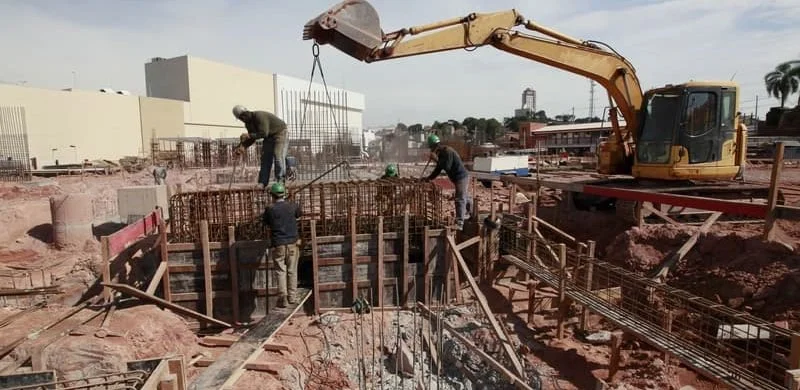
Melbourne civil plant finance checklist for VIC proof pack | Switchboard Finance
 📍 melbourne (VIC) · civil plant proof pack · faster approvals ·
Tradie Hub · 2026
📍 melbourne (VIC) · civil plant proof pack · faster approvals ·
Tradie Hub · 2026
Melbourne civil files usually don’t get knocked back — they get stuck. The cause is almost always missing proof: unclear asset details, messy business evidence, or no clean settlement plan. This is the VIC “proof pack” that reduces questions fast.
For the bigger tradie/civil context first, start here: Tradie Finance Australia. Then use this checklist to lodge once (cleanly) instead of feeding documents in drips and triggering credit loops.
1) The VIC proof pack: what to send as one bundle
Treat your application like a tender: one submission, in order, with no missing pages. The lender’s job is to approve an asset-backed deal — your job is to make the story easy to verify quickly.
If you don’t send the pack as one bundle, the consequence is delay-by-clarification: assessors request “just one more thing”, valuation pauses, and you lose momentum (and sometimes the machine).
- Asset page: itemised plant + attachments, build year, hours, and identifiers (where available).
- Seller proof: dealer invoice / sale contract with full price, GST treatment, and payment details.
- Insurance evidence: quote or certificate showing the asset can be insured at settlement.
- Business proof: core trading evidence that matches your Low Doc position (bank evidence, BAS-style indicators if relevant).
- Use case page: 3 lines: job type, where the plant works, and why this asset is required now.
- Settlement plan: where deposit comes from (if any) and how funds will be paid at settlement.
2) Asset proof that prevents valuation delays
Civil plant approvals live and die on “is the asset real, priced fairly, and easy to value?” The faster valuation happens, the faster credit can move.
If the asset is vague (no identifiers, unclear inclusions), the consequence is a valuation haircut or conditions: lenders protect themselves by reducing the lend amount or asking for more cash in.
| Asset proof item | What it shows | Why it speeds approvals | Common mistake |
|---|---|---|---|
| Itemised inclusions | What’s actually being financed | Stops “what’s included?” rework | Bundling attachments without listing them |
| Build year + hours | Value anchor | Helps valuation match market reality | Missing hours or “approx” with no evidence |
| Seller documentation | Legitimacy + price proof | Reduces fraud/identity checks | Screenshot pricing without a formal invoice/contract |
| Clear settlement details | How payment flows | Prevents settlement hold-ups | Changing bank details mid-process |
Two fast “don’t-get-stuck” reads for Melbourne files: PPSR Checks for Asset & Vehicle Finance (2025) and What Is a Payout Figure?.
3) The “clean Low Doc story” (so credit doesn’t keep asking)
Even in asset-backed deals, credit wants a simple answer to one question: “Does this business reliably generate cash to service the repayments?” Your job is to provide enough proof — without creating noise.
If you overshare random pages or keep updating information, the consequence is an internal reset: assessors re-check earlier assumptions and timelines stretch. Keep it clean, consistent, and final.
- Work type: “We do [civil scope] across Melbourne/VIC with regular job flow.”
- Why now: “This plant is required to increase capacity and meet upcoming work.”
- Repayment rhythm: “Repayments are supported by ongoing trading; we keep the file clean and stable.”
Same corridor, different intent (good companions to interlink): Civil Contractor Funding Stack (2026) and Civil Gear Low Doc Documents Checklist (2026). For the monthly “money page” path, keep one strong up-link to: Low Doc Asset Finance.
Melbourne civil plant approvals get faster when you submit one VIC proof pack: clear asset details, clean seller docs, and a simple Low Doc story that doesn’t change mid-process.
The consequence of skipping the pack is almost always the same: valuation delays, condition requests, and “one more thing” loops. If you want speed, keep the file boring and complete.
FAQ
Asset details (itemised inclusions), seller documentation, insurance evidence, and consistent business proof that supports your Low Doc position — all sent once as a single bundle.
Usually because inclusions aren’t itemised, identifiers are unclear, or the price proof is informal. Lenders protect themselves by applying caution to the LVR outcome.
Send one bundle in order and keep the story stable. A clean Facility request with a clear settlement plan prevents rework.
Not always — it depends on lender policy and your profile. The goal is to meet the Approval Criteria with the cleanest proof for your scenario.
Drip-feeding documents and changing details mid-process. The consequence is assessors re-checking earlier assumptions, which stretches timelines and can trigger extra conditions.
Disclaimer: This content is general information only and isn’t financial, legal, or tax advice.
