
Civil Gear Low Doc Documents Checklist (2026)
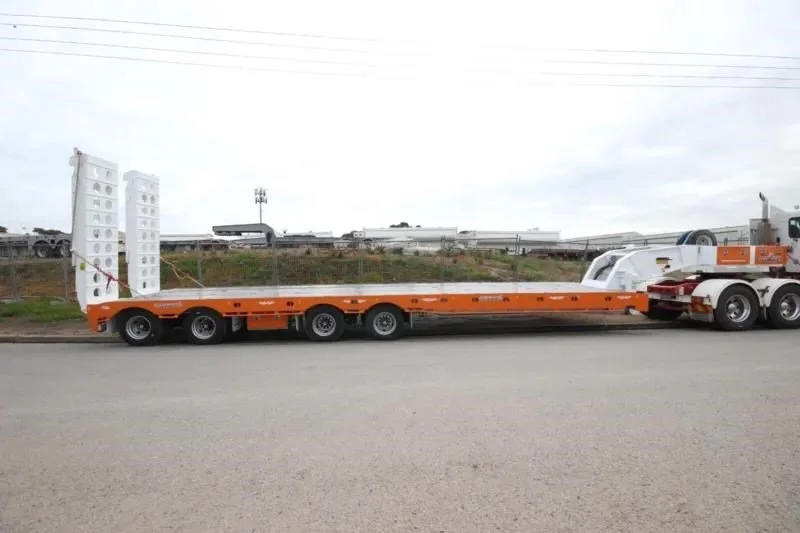
Civil gear low doc documents checklist for civil contractors | Switchboard Finance
 🏗️ civil gear · docs checklist · excavator + skid steer ·
Tradie Hub · 2026
🏗️ civil gear · docs checklist · excavator + skid steer ·
Tradie Hub · 2026
Civil gear approvals usually don’t fail on price — they fail on paperwork gaps. A “vehicle docs checklist” won’t cover plant bundles (attachments, floats, serial lists, and how the package is priced).
If you want the broader tradie finance explainer first, start here: Tradie Finance Australia. Then use this page as your submission checklist to keep the lender and valuer moving.
1) The “civil gear pack” lenders actually want (one bundle, not fragments)
Low doc files get delayed when the assessor can’t match the asset to the price. With excavators and skid steers, the risk is missing identifiers, missing attachments, or a quote that doesn’t explain the bundle.
If you submit the pack in parts, the consequence is re-work: the valuer pauses, the lender asks follow-ups, and your approval window stretches out for no reason.
| Item | Why it matters | What “good” looks like | Common delay |
|---|---|---|---|
| ABN + trading snapshot | Confirms the borrower entity and trading position | ABN details + simple entity summary (who owns what) | Mismatch between applicant name and supplier invoice |
| Bank statements (business) | Shows cash movement, turnover patterns, and stability | Clean PDFs for the same account(s) the revenue lands in | Missing pages / multiple accounts without explanation |
| Formal quote / invoice | Valuer needs the price breakdown to confirm market value | Brand/model/year/hours + itemised extras + delivery + GST | “All-in” lump sum with no attachment list |
| Serials + IDs list | Proves what’s being financed (especially attachments) | Machine ID/serial + each attachment serial (if available) | Attachments described vaguely (“bucket set”) with no detail |
| Float trailer details | Trailers are often treated differently in valuation checks | ATM/GVM, VIN (if available), build year, compliance plate photo | Trailer included in quote but no specs supplied |
| Insurance confirmation | Protects lender security and reduces settlement friction | Evidence you can place comprehensive cover at settlement | Waiting until the last minute to organise cover |
2) The three civil gear mistakes that trigger valuation pauses
This is where civil bundles differ from standard car/ute deals. Valuers hate ambiguity — and attachments are where ambiguity lives.
If you ignore these, the consequence is either a valuation haircut (lower value than your price) or a lender condition (extra deposit, extra docs, or a forced restructure).
- Bundle clarity: the quote must separate the base machine from attachments and freight (no mystery totals).
- Attachment identity: list each major item (breaker, auger, tilt bucket, trench bucket set) clearly.
- Float trailer fit: specs should match the load you’re moving (capacity, compliance plate, VIN if available).
- Used gear proof: if it’s used, include hours and photos so the valuation isn’t “best guess”.
If you’re financing the machine + add-ons together, read these (different intent, no cannibalism): Excavator Attachments Finance (2025) and Excavator vs Bobcat Finance for Tradies (2026).
3) Submit it once, in the right order (and keep approvals moving)
The fastest civil files read like a single story: who you are, what you’re buying, and why the numbers make sense. The goal is not “more paperwork” — it’s “less back-and-forth”.
If you drip-feed documents, the consequence is multiple reassessments (and each reassessment can restart the clock). Send one bundle with a simple cover note.
- 1 page cover note: asset list (machine + attachments + float) + supplier + target settlement date.
- Quote/invoice: itemised bundle with clear totals.
- Asset proof: photos + hours (used) + serials/IDs list.
- Business proof: bank statements + quick trading snapshot.
- Risk clean-ups: PPSR check plan + insurance plan (so settlement doesn’t stall).
Two “clean file” reads that help reduce avoidable friction: PPSR Checks for Asset & Vehicle Finance (2025) and What Is a Payout Figure?.
Civil gear approvals are fastest when your bundle is itemised (machine + attachments + float) and easy to value. Don’t submit fragments — submit one “civil gear pack” once.
If you’re unsure what’s missing, start with the Tradie Finance Australia explainer, then send your pack and we’ll tell you what to fix before lodging. If you want us to review the checklist against your quote, Talk to a Broker.
FAQ
An itemised quote that lists the base machine, each attachment, and the float trailer as separate lines. It prevents “base machine only” valuations and reduces deposit surprises.
It usually means less reliance on full financial statements and more reliance on practical proof like bank statements and a clean asset pack. If you want the definition, see Low Doc.
Because attachments are often bundled loosely (“bucket set”) without identifiers or values. Valuers can’t confirm the market price, so they pause or value conservatively.
It’s one of the quickest ways to avoid “surprise security issues” on used assets and can save a settlement-week disaster. Here’s the glossary definition: PPSR Check.
Submit one complete pack once (cover note + itemised quote + asset proof + business proof). If anything is unclear, a broker review before lodging is faster than fixing conditions after.
Disclaimer: This content is general information only and isn’t financial, legal, or tax advice.
