
Melbourne Event Hire & Production Gear Finance (2026)
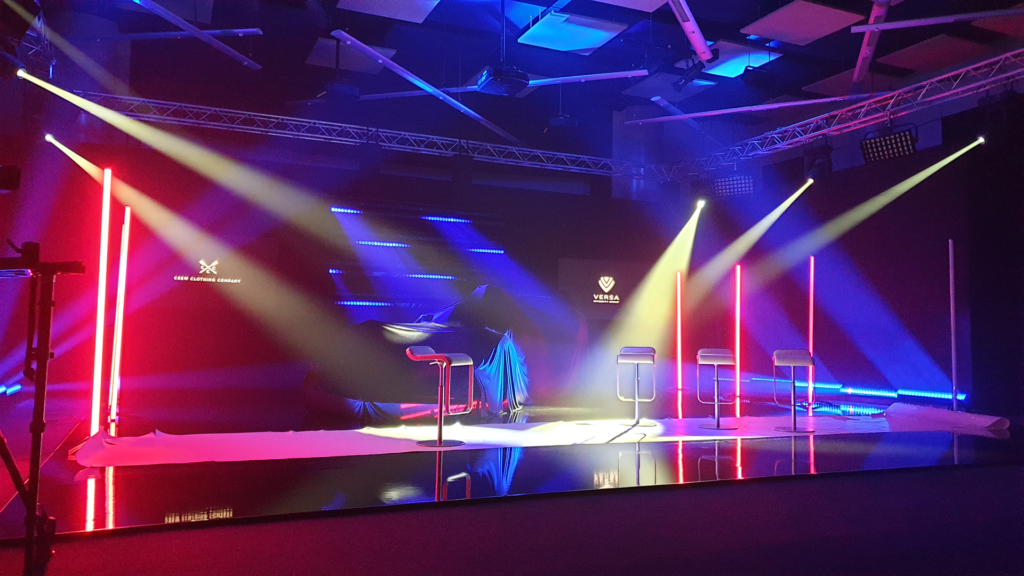
Melbourne event hire production gear finance checklist for AV & staging | Switchboard Finance
 🎛️ AV + production gear · Melbourne/VIC checklist ·
Business Owners Finance Hub · 2026
🎛️ AV + production gear · Melbourne/VIC checklist ·
Business Owners Finance Hub · 2026
Event hire is “spiky”: big invoices, quiet weeks, and expensive gear that has to show up on time. This Melbourne-first checklist helps you package a clean Low Doc application for AV, lighting, staging, and the work vehicles that move it.
If you want the bigger picture first (when asset finance actually makes sense), start here: 11 Signs Your Business Is Ready for Asset Finance in 2025. Then use the approval pack below.
1) What lenders are really assessing (in event hire)
For Melbourne event hire businesses, approvals are usually won (or lost) on two things: proof of consistent trading and how “clear” the asset package is. AV racks, lighting, staging decks, and trucks can all be financeable — but only if the purchase, ownership, and usage are clean on paper.
If you don’t package this properly, the consequence is predictable: valuation delays, extra conditions, or a “pending” loop while someone asks for proof you could have provided upfront. If you want a baseline for fast packaging, this is the closest cousin: Fast-Track Asset Finance for ABN Holders.
- AV: speakers, amps, mixers, wireless mics, DSP racks, road cases (itemised list wins)
- Lighting: movers, pars, lasers, controllers, truss clamps, cabling (serials/photos help)
- Staging: decks, legs, platforms, barrier systems, drape kits (clear supplier scope matters)
- Vehicles: vans, light trucks, tail-lift trucks, enclosed trailers (quote + rego path)
2) The Melbourne approval checklist (copy/paste proof pack)
This is the simplest way to keep the deal moving: provide the proof pack in one hit and remove back-and-forth. Keep it boring, complete, and consistent (names, ABN, bank feeds, and invoices should match).
If you skip items, the consequence is not “decline” — it’s usually delay: valuation requests, identity checks, or more questions during credit assessment. One of the fastest “hidden saves” is making sure the asset is clean on the register and lien checks: PPSR Checks for Asset & Vehicle Finance.
| Category | What to provide | What it proves | Fast-fix if you’re missing it |
|---|---|---|---|
| Business identity | ABN + entity name, directors, trading address, website/social proof (optional) | Who is borrowing + who owns the gear | Make sure the borrower name matches the invoice and bank account |
| Trading proof | Recent bank statements or export + simple income explanation (event peaks/quiet weeks) | Cashflow consistency + seasonality story | Label the biggest deposits (events) in a one-page note |
| Asset proof | Itemised supplier quote/invoice (models, quantities, serials if available) | Valuation clarity + reduces “pending” | Ask supplier to re-issue an itemised invoice (not “package”) |
| Deposit trail | Deposit receipt + matching bank line item (same date/amount) | No mystery cash movements | Pay deposits from the business account, not personal |
| Vehicles (if included) | Vehicle quote (VIN if known), rego path (new/used), delivery date | Asset exists + timeline is realistic | Use a Melbourne vehicle checklist if the vehicle is a big part of the deal |
| Risk checks | Confirmation you’ve run a PPSR Check on used vehicles/gear where relevant | No surprises (encumbrances, write-offs, stolen flags) | Do it before you pay the balance — not after |
If the vehicle component is a big part of your purchase, pair this post with: Business Vehicle Finance Melbourne (2026): Low Doc Approval Checklist.
3) Deposits + valuation traps (the ones that waste a week)
Event gear moves fast — suppliers quote bundles, stock changes, and lead times create pressure to pay deposits early. That’s fine, but only if your paperwork keeps pace with your reality.
If you don’t manage deposit and valuation risk, the consequence is simple: your limit gets reduced, your approval becomes conditional, or the deal sits waiting for “proof”. If you’re ordering long-lead items, read this sibling piece: Supplier Deposits & Valuation Risk (2026).
- Itemise bundles: “Production package” = slow. Models + quantities = fast.
- Match deposits: deposit receipt + bank line item should be obvious and same-day where possible.
- Confirm delivery timing: approvals love realistic delivery dates (no “TBA”).
4) The 48-hour approval plan (simple and repeatable)
If you want speed, your goal is not “more documents” — it’s fewer questions. This plan is built to remove the usual reasons event hire deals get stuck: unclear assets, unclear deposits, unclear trading story.
If you ignore this, the consequence is a slow grind: valuation requests, missing proofs, and avoidable rework. If you want the cleanest product category for event hire businesses, start from the core money page: Low Doc Asset Finance.
- Step 1: Get an itemised supplier quote (models, quantities, delivery date).
- Step 2: Prepare 1 clean trading summary (why last week was big / why next week is quiet).
- Step 3: Attach the deposit trail (receipt + matching statement line).
- Step 4: If any used assets are involved, run the risk checks early (don’t pay balance first).
Melbourne event hire approvals are usually won on packaging: clear assets (itemised), clean deposit trail, and a simple trading story that explains spikes. AV, lighting, staging, and vehicles can all be financeable if the proof pack is tight.
If you skip the checklist, the consequence is rarely an instant “no” — it’s delays: valuation requests, extra conditions, and “pending” loops. Keep it boring, complete, and consistent, and approvals move faster.
FAQ
Often, yes — but it needs to be itemised. Bundles approve cleaner when every major item is listed (model/quantity) instead of “production package”.
The usual causes are vague quotes, missing deposit trail, and unclear delivery dates — not the business “being bad”. Fix the packaging and the questions drop fast.
Sometimes. Separating can keep valuation clean (vehicle vs gear) and reduce conditions — especially when delivery dates differ. A broker can structure it for the cleanest outcome.
Deposits can help, but only if the trail is clean (receipt + matching bank line item). Messy deposits usually don’t kill deals — they slow them down with extra questions.
Get an itemised quote, attach the deposit trail, and write a one-paragraph trading note that explains spikes and quiet weeks. That removes most back-and-forth.
Disclaimer: This content is general information only and isn’t financial, legal, or tax advice.
