
Melbourne Security Patrol Vehicle Finance Checklist (2026): The Approval Pack for Patrol Fleets
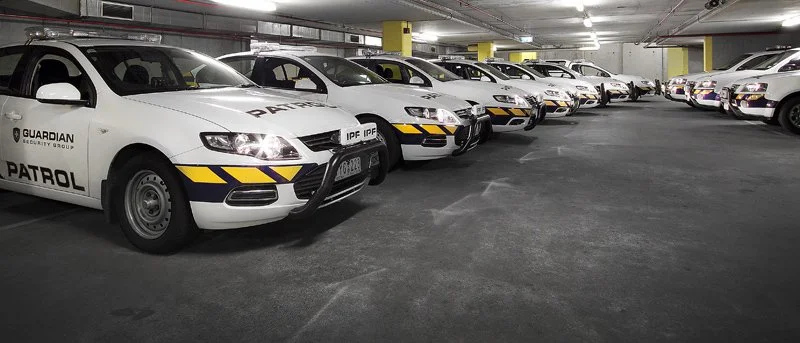
Melbourne security patrol vehicle finance checklist for patrol fleets – Switchboard Finance
 Insights · Vehicle Finance
Melbourne Security Patrol Vehicle Finance Checklist (2026): The Approval Pack for Patrol Fleets (Rosters, Contracts, Insurance)
Patrol fleets are assessed differently to “normal” business vehicle purchases. Lenders are looking for multi-driver control, predictable rostering, and evidence your Vehicle Finance request is backed by real contracts and clean operations.
This Melbourne-first checklist is the Day-0 pack that reduces follow-ups, keeps credit readable, and speeds up approvals (especially when your vehicles run nights, high kms, and multiple drivers).
- Hub (non-negotiable): Business Owners Finance Hub
- Persona hero explainer (non-negotiable): 11 Signs Your Business Is Ready for Asset Finance in 2025
- Money page (forced target): Low Doc Asset Finance
- Winner seed #1: What Is a Payout Figure? (Asset Finance)
- Winner seed #2: Low Doc Car Loan With ABN (No Tax Returns)
- Sibling post (different intent corridor): Asset Finance Bank Statement Red Flags (2026)
If you want faster patrol fleet approvals, don’t “start with the car quote.” Start with proof of stable work (contracts + rosters), who is driving, and that your fleet risk is controlled.
| Day-0 item | What it proves | Common miss | Result when included |
|---|---|---|---|
| Contracts / service agreement snapshot | Real revenue source + continuity | Vague “we do patrols” story | Less follow-ups |
| Roster sample (last 4 weeks) | Utilisation + staffing stability | No evidence of shift coverage | Cleaner narrative |
| Driver list + licence confirmation | Multi-driver control (risk) | “Anyone drives it” vibe | Faster risk sign-off |
| Insurance plan + Comprehensive Insurance intent | Fleet risk is managed | Insurance left “for later” | Fewer conditions |
| Vehicle details (quote / spec / usage) | Asset fit + kms profile | No clarity on usage vs role | Less valuation friction |
| 3–6 months business statements | Stability + expense control | Unexplained “weird months” | Assessment moves faster |
| Existing finance schedule (if any) | True liabilities + structure fit | Surprise debts late stage | Avoids re-quotes |
1) The patrol fleet approval pack (print this, tick it, send it)
Patrol fleet files move when the lender can quickly answer: “Is the work real, is the team stable, and is the risk controlled?” This checklist is designed so your application reads clean on first pass.
If you skip these items, the consequence is predictable: the lender asks for them one-by-one, the timeline blows out, and the deal becomes “manual review” by default.
| Category | Include | Why it matters for patrol fleets | Fast-check standard |
|---|---|---|---|
| Work proof | Contract snapshot + client schedule (summary) | Shows continuity beyond “one-off patrols” | 1 page |
| Rosters | 4-week roster sample (shift blocks) | Explains night shifts + utilisation | Clear pattern |
| Drivers | Driver list + primary operators | Multi-driver risk is a real credit factor | Named drivers |
| Fleet control | Vehicle allocation rule (who uses what) | Reduces “free-for-all” perception | Simple rule |
| Insurance | Insurance intent + cover note plan | High kms + night use needs clarity | Before settlement |
A Melbourne patrol company had two similar SUV applications. The one submitted with rosters + a driver list was approved first pass. The other got stuck in “who drives / what shifts / what insurance” follow-ups for days.
2) How to get approved faster (what lenders are really underwriting)
Patrol fleets trigger different questions because the vehicle is a working tool used by multiple people, often at night, often at high kms. The lender is underwriting control and predictability.
If you don’t frame these risks clearly, the consequence is a conservative structure (deposit requests, tighter terms, or “prove more first”).
| What triggers concern | What you show instead | 1-line proof | Outcome |
|---|---|---|---|
| Multi-driver usage | Named primary drivers + allocation rule | Roster + driver list | Risk clarity |
| High kms / night operations | Maintenance routine + realistic usage notes | Short usage paragraph | Less friction |
| “Contract dependency” worry | Contract snapshot + renewal/continuity note | 1-page summary | Stability |
| Insurance uncertainty | Insurance intent early | Cover plan note | Fewer conditions |
One fleet looked “risky” on paper until they explained vehicle allocation (night patrol vs daytime inspections) and showed a simple roster pattern. The lender stopped treating the file like a random high-kms personal car.
3) Approval time in practice (and the fastest timeline you can realistically hit)
The fastest approvals happen when the lender doesn’t need to ask “basic patrol questions.” Send the Day-0 pack and keep the story consistent across your documents.
If you don’t, the consequence is delay-by-questions: every missing detail becomes a new email, a new wait, and sometimes a re-quote.
| Stage | What happens | What you submit | Typical time (when clean) |
|---|---|---|---|
| Day 0 | First-pass read + risk clarity | Contracts + rosters + drivers + statements | Same day |
| Day 1 | Structure + conditions | Vehicle quote/spec + insurance intent | 24–48 hrs |
| Day 2–3 | Approval + settlement prep | Final docs + payout details (if refi) | 48–72 hrs |
| Settlement | Funds + delivery | Final invoice + insurance evidence | Booked |
A patrol operator needed vehicles inside the week. They got fast approval because the lender could instantly see contract continuity and a stable roster. The only “back-and-forth” was confirming the final vehicle spec.
Patrol fleet approvals move fastest when your pack proves three things: (1) real work continuity, (2) stable rostering + driver control, and (3) insurance readiness. That’s what turns a “manual review” file into a clean, approvable one.
Start with the Business Owners Finance Hub, read the readiness checklist, and keep a clean pathway open via Low Doc Asset Finance.
FAQs
Short answers for security patrol operators financing vehicles in Melbourne.
Use the hubs for navigation, then skim the latest posts below.
- Asset Finance Bank Statement Red Flags (2026)
- The Pre-Sale Consolidation Playbook (2026)
- Medical Vehicle Refi: Chattel Mortgage vs Lease (2026)
- Business Vehicle Refinance After Insurance Claim (2026)
- What Is a Payout Figure? (Asset Finance)
- Low Doc Car Loan With ABN (No Tax Returns)
- 5 Cash Flow Warning Signs Your Business Needs a Finance Safety Net
- Top 5 Mistakes Business Owners Make When Applying for Equipment Finance
