
Mornington Peninsula & Bayside Tradie Vehicle Finance Checklist (2026)
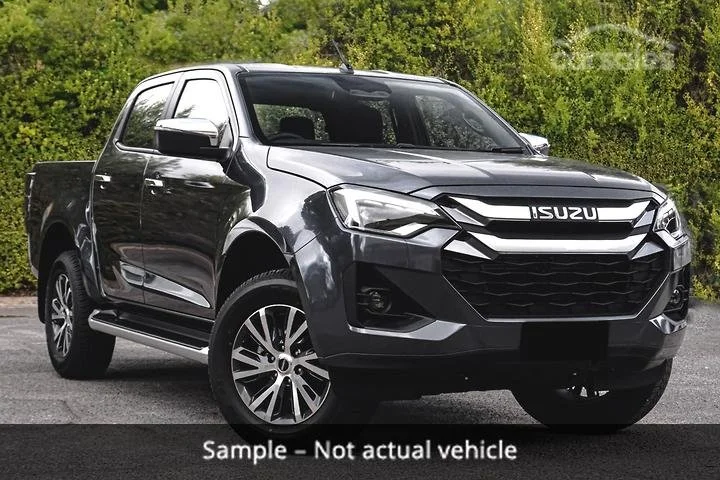
Mornington Peninsula tradie vehicle finance checklist for utes vans and trailers – Switchboard Finance
 Insights · Tradie Vehicle
Mornington Peninsula & Bayside Tradie Vehicle Finance Checklist (2026): Utes, Vans & Trailers for Peninsula-Based Tradespeople — The Local Proof Pack for Fast Low Doc Approvals
Peninsula + Bayside tradies aren’t “city commutes” — it’s job-to-job travel, towing, early starts and variable deposits. That’s why Vehicle Finance gets assessed on control and consistency, not just “does the business exist”.
This checklist is the Day-0 pack designed for fast Low Doc approvals across utes, vans and trailers — so you don’t get stuck in email ping-pong for a week.
- Hub (non-negotiable): Tradie Hub
- Persona hero explainer (non-negotiable): Low Doc Car Loan With ABN (No Tax Returns)
- Money page (forced target): Low Doc Asset Finance
- Winner seed #1: What Is a Payout Figure? (Asset Finance)
- Winner seed #2: Asset Finance Bank Statement Red Flags (2026)
- Sibling post (different intent corridor): The Pre-Sale Consolidation Playbook (2026)
The fastest Peninsula/Bayside approvals happen when a lender can instantly see: (1) stable work pipeline, (2) clean cash movement, and (3) what the vehicle/trailer actually does for revenue.
| Day-0 pack item | What it proves | Common miss | What happens if you miss it |
|---|---|---|---|
| Job pipeline snapshot (last 30–60 days) | Work continuity (not “random income”) | Only a vehicle quote | Extra questions |
| Invoices + deposits (sample set) | Deposit pattern + margin realism | No proof of deposit flow | Manual review drift |
| 3–6 months business statements | Stability + expense control | Unexplained “weird months” | Follow-up loop |
| Vehicle/trailer role statement (1 paragraph) | Why this asset supports revenue | “Need a new ute” only | Lower comfort |
| If refinancing: payout details upfront | True restructure math | Payout requested late | Re-quote risk |
1) The local “proof pack” lenders want for Peninsula + Bayside tradies
The coastal corridor has a pattern lenders see often: job deposits, supplier runs, and uneven weeks when weather or site access moves. Your goal is to make that pattern readable, not to pretend it doesn’t exist.
If you don’t package the story clearly, the consequence is simple: the lender creates their own story — and it’s usually conservative.
| Category | Include | What it answers | Fast-check standard |
|---|---|---|---|
| Work proof | 2–3 recent invoices + 1–2 quotes (or work orders) | “Is the revenue real and ongoing?” | Simple sample |
| Cash movement | 3–6 months statements + 1-note explanation | “Do deposits + spend make sense?” | One page |
| Asset fit | Ute/van/trailer spec + purpose statement | “Is this the right tool for the work?” | Clear usage |
| Team/ops (if relevant) | Driver allocation or “who uses what” rule | “Is usage controlled?” | Simple rule |
A Peninsula landscaper had “lumpy” deposits and big supplier spikes. Once they provided a short pipeline snapshot (what jobs created the spikes) the lender stopped treating the account like unstable income — and the approval moved.
2) How to get approved faster (and avoid the “wrong file” vibe)
The fastest approvals happen when your application reads like an operating business, not a person buying a car with an ABN. That’s the entire difference between “quick yes” and “prove more”.
If the story is vague, the consequence is predictable: more conditions, slower timelines, and sometimes a restructure request mid-way.
- Match asset to work: specify the job types the ute/van/trailer enables (tools, towing, site access, storage).
- Explain the deposits: show a small sample of invoices/quotes so the bank statement pattern makes sense.
- Be upfront on refi: if you’re consolidating or refinancing, put payout details in early.
A Bayside sparky got slowed down because the application had a vehicle quote but no “why this asset” story. Once the job types and storage/towing purpose were stated clearly, the lender stopped asking for extra justification.
3) Approval time in practice (what “fast” actually looks like)
You can’t control every lender queue — but you can control how many questions your file generates. The Day-0 pack is what turns “fast” into reality.
If you don’t submit cleanly, the consequence is delay-by-questions: every missing item becomes another day.
| Stage | What happens | What you submit | Typical time (when clean) |
|---|---|---|---|
| Day 0 | First-pass read (stability + intent) | Statements + job samples + asset purpose | Same day |
| Day 1 | Structure + conditions | Vehicle quote/spec + any refi details | 24–48 hrs |
| Day 2–3 | Approval + settlement prep | Final docs + invoice | 48–72 hrs |
| Settlement | Funds + delivery | Final invoice + lender conditions | Booked |
A concreter running Peninsula sites needed a replacement ute urgently. They got a fast outcome because the “why” was clear (tools + towing) and the cash pattern was explained upfront with a small sample set.
Fast low doc approvals come from one thing: reducing lender questions. Show a clean pipeline snapshot, explain the deposit pattern once, and state exactly how the ute/van/trailer supports revenue.
If you skip the proof pack, the consequence is slow approvals: manual review drift, extra conditions, and re-quoting risk.
FAQs
Short answers for Peninsula + Bayside tradies financing utes, vans and trailers.
Use the hubs for navigation, then skim the latest posts below.
- Asset Finance Bank Statement Red Flags (2026)
- The Pre-Sale Consolidation Playbook (2026)
- Medical Vehicle Refi: Chattel Mortgage vs Lease (2026)
- Business Vehicle Refinance After Insurance Claim (2026)
- What Is a Payout Figure? (Asset Finance)
- Low Doc Car Loan With ABN (No Tax Returns)
- 5 Cash Flow Warning Signs Your Business Needs a Finance Safety Net
- Top 5 Mistakes Business Owners Make When Applying for Equipment Finance
