
Mini Excavator & Skid Steer Finance for Plumbers & Drainage Contractors (2025 Guide)
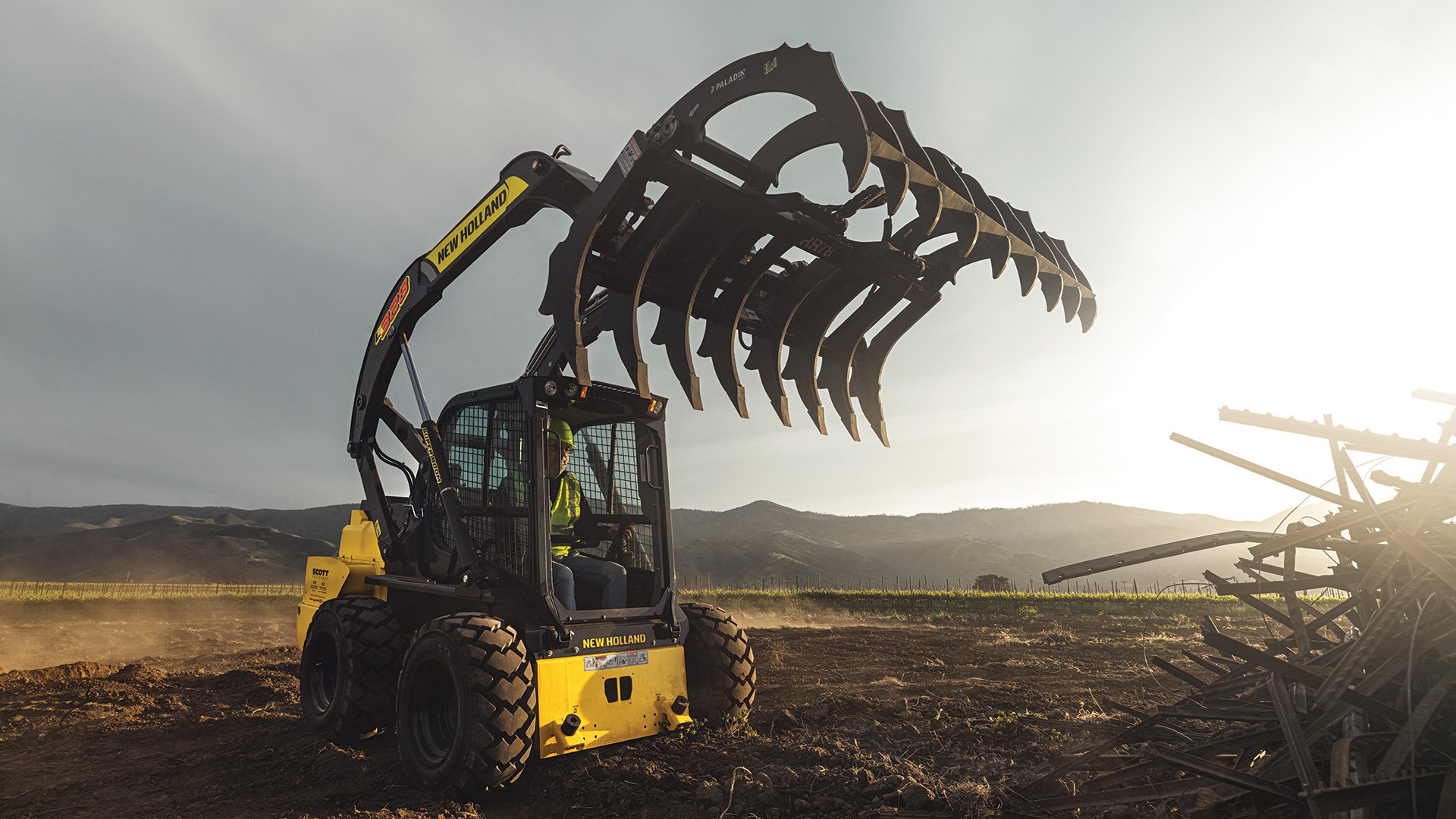
Mini excavator and skid steer finance for plumbers and drainage contractors – Switchboard Finance
 Insights · Tradie & Civil
Mini Excavator & Skid Steer Finance for Plumbers & Drainage Contractors (2025 Guide)
| Weekly pattern | Hire only | Own on finance |
|---|---|---|
| Average digger cost | $1,000 in hire fees | ~$750 finance repayment |
| Extra after-hours / weekend jobs | Often miss out (no gear available) | Can take 2–3 extra drain or burst-pipe jobs |
| Control | Rely on hire yard timing & stock | Machine lives at your depot or yard |
| Net impact | Cash going out with no asset on balance sheet | Asset working for you + write-off & resale value |
When mini digger hire turns into dead money for plumbers
Hiring a mini excavator makes sense when you only dig trenches occasionally. But once you’re booking a machine most weeks or turning down jobs because nothing is available, you’re effectively paying someone else’s loan instead of building your own balance sheet.
It’s the same pattern that shows up in the Tradie Cash Flow Trap and on the Tradie Hub — tools and machines that you “just hire for now” end up blocking growth when work stays busy.
- You’re hiring a mini digger or skid steer 2–3+ days most weeks.
- You’ve knocked back jobs because the yard had no machines available.
- You lose hours every week picking up and returning gear.
How much plumbers & drainers can usually borrow on low doc terms
Lenders care most about consistent work and clean cash coming through the account. If your ABN has solid history and you’re already booking digger-heavy jobs, you’re closer to approval than you might think — even if your accountant is behind on formal financials.
The ranges below are only guide numbers, but they line up closely with what we see in real deals and the borrowing patterns covered in How Much Can Tradies Borrow in 2025?.
| ABN & trading profile | Typical digger / skid steer limit* |
|---|---|
| ABN 2–3 years, turnover $250k–$400k, homeowner | $60k–$120k for a single machine & trailer |
| ABN 3–5+ years, turnover $400k–$800k, strong history | $120k–$200k across machine, trailer & attachments |
| ABN 5+ years, multiple vehicles, repeat contracts | $200k–$300k+ when structured correctly |
| *Actual limits depend on asset, deal structure and lender Approval Criteria. | |
Mini excavator vs skid steer: which machine pays itself off faster?
Most plumbers and drainage contractors can justify one key machine that does 80% of their trenching and site prep. Whether that’s a mini excavator or a skid steer comes down to the mix of residential vs civil jobs and how often you’re backfilling, lifting or moving spoil.
Lenders don’t mind which way you go — they just want the asset to match your core work. A well-structured Excavator Finance deal or a tight skid steer package can both work if the repayments sit inside the jobs you already have booked.
Mini excavator suits you if:
- Most work is trenching, drainage and digging around services.
- You’re constantly doing repairs on existing homes and units.
- Access is tight and you need to hop between multiple small jobs.
Skid steer suits you if:
- You do more site cuts, backfilling and bulk material moves.
- You’re often on bigger civil or unit sites for full days.
- You want to run forks, broom or trenching attachments regularly.
What lenders actually look at (beyond tax returns)
For low doc yellow gear, lenders focus less on polished Financial Statements and more on the story in your bank account, existing vehicles and job flow. They’re checking that the digger or skid steer repayment fits inside your normal work without creating stress.
That’s why our process is built around bank feeds and a clean one-page summary, not a giant paperwork dump. The same logic sits behind our Low Doc Asset Finance service page and the mistakes we highlight in Top 5 Mistakes Business Owners Make When Applying for Equipment Finance.
We clarify your ABN age, crew size, typical jobs and how often you currently hire gear.
We review live bank data and map repayments against your existing work and seasonal swings.
Once approved, we coordinate dealer invoices and Machinery Finance docs so you can pick up the machine and get back on site.
Your upgrade path: first digger now, more gear later
The smartest plumbers treat their first machine as Stage 1 in a bigger upgrade ladder — not their only shot. Once the mini digger or skid steer proves itself, you can look at attachments, trailers or a second machine without blowing up the rest of your finance.
That’s the same staged logic behind the Tradie Upgrade Ladder 2025, Tradie Tools Finance Explained and our Tradie Loan Pack — get one piece right, then stack the next move on top once the numbers are working.
Finance a mini excavator or skid steer that matches 80% of your plumbing and drainage work.
Add trailer, buckets and key attachments once the first few months of work confirm demand.
Layer in a Business Line of Credit or Working Capital Loan to smooth fuel, wages and materials around bigger projects.
Mini excavator & skid steer finance — FAQs for plumbers
Can I get a mini excavator or skid steer on a Low Doc Loan if my tax isn’t up to date?
In many cases, yes. A lot of plumbers and drainage contractors are still catching up on returns, but a lender may still be comfortable with a well-structured Low Doc Loan if the bank data, ABN age and payment history stack up.
That’s why we focus heavily on your live accounts and deal notes, not just a single set of lodged figures.
Do I need property as security to finance a mini excavator or skid steer?
Being a homeowner usually opens up more lender options and sharper pricing, but it isn’t always mandatory. Some funders are happy as long as the machine is working hard, your plumbing business has solid Trading History, and repayments sit inside realistic job volumes.
Where property does help is in giving lenders confidence that you’re in the game for the long haul, not just chasing a quick asset flip.
Will financing a machine wreck my Cashflow if work slows down?
Not if the deal is sized correctly. When we map a repayment against your pipeline, we’re looking at how it behaves across quiet weeks as well as peak periods — and we explain this in plain language so you can see the impact on Cashflow yourself.
If the numbers feel tight, we’ll either reduce the amount, lengthen the term or look at backing it with a small cashflow facility so you can ride out slower months.
Can I finance a second machine once the first one is nearly paid down?
Yes — in fact, many plumbers use their first machine as proof that they can handle the work and the repayments. Once that history is on file, it’s often easier to add a second digger, skid steer or support gear as part of a broader plan.
This is exactly how we build “upgrade ladders” like the ones in our Top 5 Tools Most Tradies Finance First and 7 Business Costs You Can Finance Instead of Paying Upfront articles.
What if I’m not sure whether a mini excavator or skid steer suits my work better?
That’s normal. Many plumbers sit in a grey zone where they do both tight residential work and occasional civil or site-prep jobs. We’ll talk through your current mix, plus where you want the business to be in 2–3 years, before locking in a structure.
It’s the same practical approach we use across the Business Owners Finance Hub and when we’re helping truckies or café owners choose between different assets and cashflow tools.
