
Telehandler & Loader Finance for Rural Fencers and On-Farm Tradies (Low Doc 2025 Map)
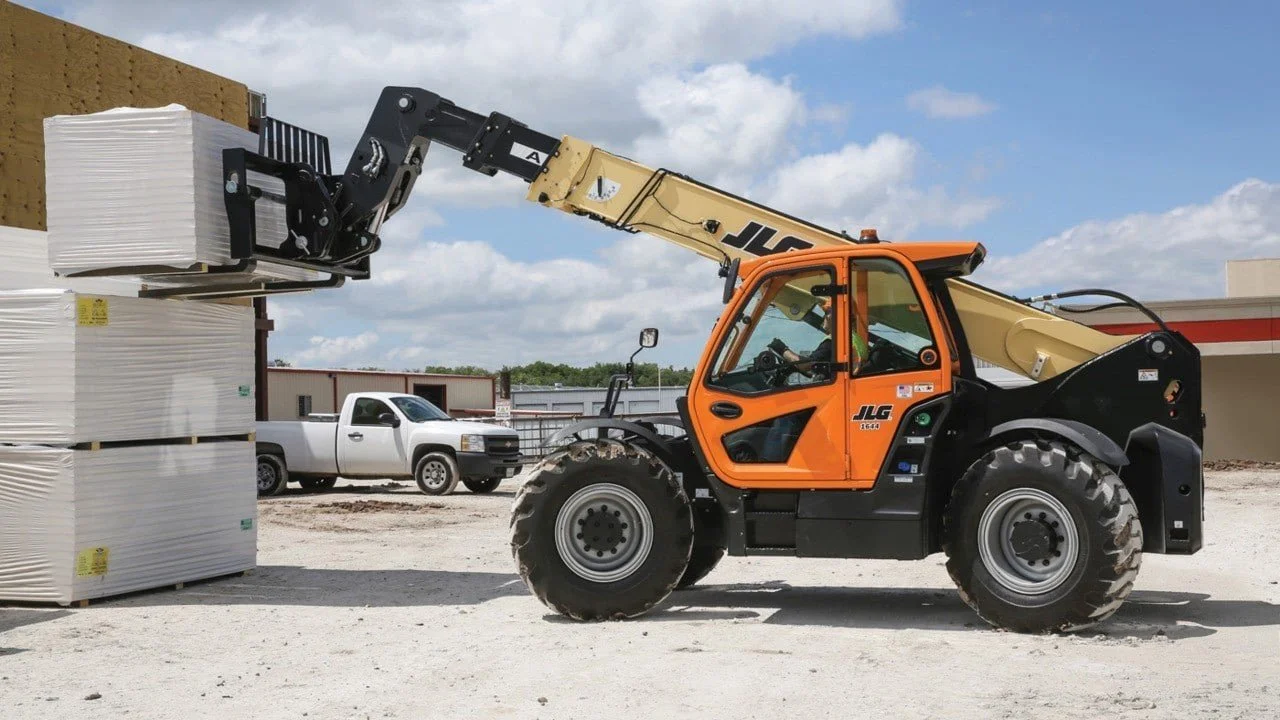
Telehandler and loader finance for rural fencers and on-farm tradies – Switchboard Finance
 Insights · Rural tradies & fencing
Telehandler & Loader Finance for Rural Fencers and On-Farm Tradies (Low Doc 2025 Map)
| Weekly pattern | Keep hiring | Own on finance |
|---|---|---|
| Machine access | Hope the hire yard has stock | Loader/telehandler lives on farm or depot |
| Travel & downtime | Lose hours on pick-up and drop-off | Roll straight to the next fencing job |
| Weekly outgoings | $1,200+ in hire bills during busy runs | Structured repayment that can reduce over time |
| Long-term impact | Cash out, no balance-sheet asset | Asset counted as Yellow Goods with resale value |
When loader and telehandler hire becomes dead weight
Hiring gear is perfect when you’re testing the market or only doing the odd cattle yard or shed pad. But once you’re booked out months in advance and constantly shifting posts, panels and rolls of mesh, hire bills start chewing through margin.
It’s the same story we see in the Tradie Cash Flow Trap and across the Tradie Hub: equipment you “just hire for now” quietly becomes the biggest thing holding the business back from taking more and better work.
- You book loaders or telehandlers most weeks during fencing season.
- You’ve turned down jobs because there was no machine available.
- Your crew wastes hours waiting around for hire deliveries or returns.
Typical low doc limits for rural fencing loaders & telehandlers
With the right profile, rural fencers can often fund a solid second-hand loader or telehandler on low doc terms, even if their bookkeeping isn’t perfect. Lenders look at the strength of your forward book, existing rig and how the new machine supports core work.
The ranges below line up with what we explain in How Much Can Tradies Borrow in 2025? and what we see across real loader and Loader Finance deals for rural clients.
| Business profile | Indicative loader/telehandler limit* |
|---|---|
| ABN 2–3 years, mixed fencing & farm work | $80k–$150k for one main machine |
| ABN 3–5+ years, 2–3 fencing crews | $150k–$250k, often with attachments bundled |
| Established fencing + civil contracts | $250k–$300k+ with the right structure |
| *Actual limits depend on asset, seasonality and lender appetite. Always check current tax rules via the ATO at ato.gov.au. | |
Loader vs telehandler: which one actually fits your jobs?
On paper, both loaders and telehandlers can lift posts, pallets and panels. In practice, one usually matches your typical yards, laneways and shed sites better than the other — and lenders want the asset to line up cleanly with everyday work.
This is where a quick walk-through of your current jobs and the upgrade ladders we cover in Farm Haulage Upgrade Ladder 2025 and Truck & Farm Transport Facility Ladder 2025 helps make a call.
Choose a loader if:
- You’re constantly shifting soil, gravel, posts and strainers.
- Most work is lower lift height around yards and driveways.
- You want a simple, tough machine that’s easy to move between sites.
Choose a telehandler if:
- You’re lifting panels and materials to height around sheds.
- You’re helping with roof work, hay or mixed farm/civil contracts.
- You want more reach for loading trucks and stock yards.
How lenders view seasonal and mixed farm income
A fencing business that slows a little over winter can still be a strong deal if the overall year looks healthy. Lenders are used to seasonality — they just want clear peaks and troughs and a believable story about how the machine supports your main work.
That’s why we use bank data and job flow more than big glossy reports. The same approach sits behind our Low Doc Asset Finance page and how we package Machinery Finance for clients who work across both farm and civil jobs.
We sketch fencing and on-farm work month by month so the repayment fits the whole year, not just peak season.
We show how fencing, farm work and side contracts all support a single loader or telehandler.
We help pick a term and residual that keeps weekly repayments inside realistic job volumes.
Your upgrade map: machine now, cashflow tools later
For most rural fencers, the first win is simply owning a reliable machine that lives on site. After that, it’s about adding attachments and then bolting on light cashflow tools to help with posts, wire and wages around busy stretches.
That staged approach is the same one we use in Tradie Finance Australia, 7 Business Costs You Can Finance Instead of Paying Upfront and the Tradie Upgrade Ladder 2025.
Finance a loader or telehandler that covers 80% of your regular fencing and yard work.
Add post drivers, augers and trailers once you’ve proven the workflow and job volume.
Layer in a Business Line of Credit or Working Capital Loan so materials and wages don’t crunch you before invoices clear.
Telehandler & loader finance — FAQs for rural fencers
Can I get a loader or telehandler on a Low Doc Loan if most of my work is seasonal?
Often, yes. A well-structured Low Doc Loan can work even if income swings between seasons, as long as your overall year looks strong and the machine clearly supports your core jobs.
Lenders will look closely at your Trading History and how long you’ve been running fencing or on-farm work under the same business.
Do I need full Financial Statements or are bank feeds enough?
For many rural deals, live data through Bank Statements or bank feeds can give lenders enough confidence to move forward without waiting on full annuals.
The key is clear, consistent deposits and a story that makes sense for your Cashflow, not perfectly polished reports.
Can I bundle attachments and trailers into one Equipment Finance deal?
In many cases, yes. Lenders understand that a loader or telehandler without the right attachments isn’t much use, so a well-packaged Equipment Finance deal can include post drivers, augers, grabs and a trailer where it makes sense.
The key is keeping everything clearly linked to the same fencing and on-farm work so the structure is easy to understand.
What happens if I want to upgrade or trade in the machine early?
If you outgrow your current setup, we can look at Asset Refinance or a clean trade-in, depending on how the numbers stack up.
Knowing your current Payout Figure and the machine’s market value is the starting point before you commit to a bigger loader or telehandler.
Can I use both fencing and farm income in the same application?
Yes — as long as it’s all under the same ABN and the machine genuinely works across both sides of the business.
We’ll help show how combined GST Turnover and job flow support the new asset so the lender can see the full picture.
