
Mixed Income (Farm + Cartage) and Low Doc Assessment (2025)
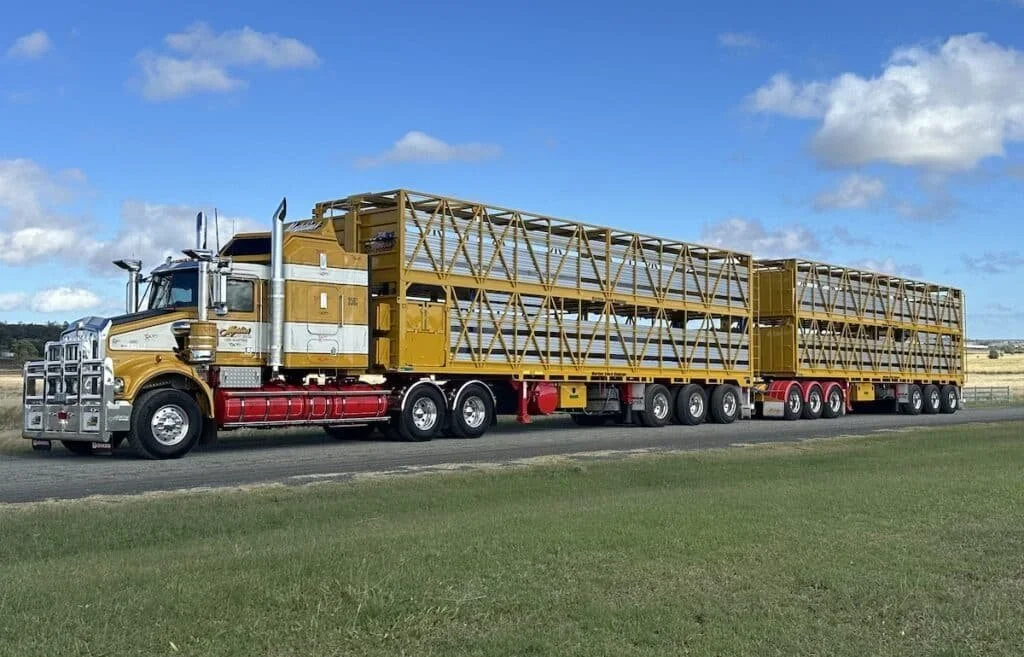
Mixed income low doc assessment for farm and cartage operators – Switchboard Finance
 🚚🌾 Mixed income · Low Doc · 2025
If you run a farm and a cartage arm, your income can look “uneven” even when the business is solid. The goal is to show two clear streams and explain seasonality once — so the assessor doesn’t have to guess.
Start with clean Bank Statements, then add a simple one-page summary that labels what’s farm-related vs cartage-related (and which months are naturally bigger).
1) What makes mixed income “easy” to approve
Assessors move fastest when they can see (1) consistent cartage activity and (2) normal farm seasonality — without thinking it’s random. Your job is to make the pattern obvious in one glance.
If you lodge BAS, use it as the “high level” proof and let statements do the detail. You don’t need perfect months — you need a believable story that matches the money trail.
- ✅ Two streams, clearly named: “Farm trading” vs “Cartage / transport”.
- ✅ One seasonality note: which months spike and why (harvest, livestock, contracts).
- ✅ Normal weeks highlighted: show the repayment fits the quieter months.
- ✅ Top customers listed: 2–4 regular payers + how often they pay.
2) The simplest “evidence pack” that works on low doc
Low doc doesn’t mean “no proof”. It means you keep the pack tight: statements + a small sample set of documents that match deposits. The less hunting an assessor has to do, the faster the outcome.
For cartage, match deposits to a small run of invoices (same names, same totals). A clean Tax Invoice sample goes a long way. If you use accounting integrations, GST Registered businesses typically have an easier paper trail.
| What you send | How many | What it proves | One-line label to add |
|---|---|---|---|
| Statements | 3–6 months | Real inflows/outflows + repayment behaviour | “Farm + cartage operating account (main)” |
| Cartage invoices | 6–10 recent | Deposits are earned revenue (not random transfers) | “Top customers + payment cycle” |
| Farm docs (settlements / agent summaries) | 2–4 key docs | Seasonality + big months explained | “Harvest settlement months (seasonal)” |
| Short trading note | 6–8 lines | Context without full financials | Link to Trading History terminology (optional) |
External reference (root-level): ato.gov.au
3) If you’re upgrading a truck: structure it around quiet months
When you’re financing a Heavy Vehicle, the clean approach is: keep the truck approval simple (asset story), and keep seasonal cashflow separate (cashflow facility) so you’re not over-sizing the loan.
Do a quick Borrowing Capacity sanity check using your quieter months. If repayments only work in harvest hero weeks, you either stage the upgrade or change the structure.
| Season moment | What usually breaks | Facility that fits | Internal page |
|---|---|---|---|
| Pre-peak ramp-up | Fuel + tyres + maintenance spike | Business Line of Credit | Business Line of Credit |
| Peak weeks | Invoices paid late, wages weekly | Invoice Finance | Invoice Finance |
| Shoulder months | Work slows but bills don’t | Working Capital Loan | Working Capital Loans |
Mixed farm + cartage income gets approved faster when you separate the streams and explain seasonality once. Rule of thumb: size repayments off “normal weeks”, not peak harvest weeks.
Next steps: start with the revenue path (Low Doc Asset Finance), then connect your cashflow system via Business Loans. Helpful reads: Truckie Hub and What Is Fleet Finance?.
FAQ
Usually, yes — lenders want some track record. If your story is clean (statements + a short summary), your Cash Flow Assessment becomes the “main proof” even without full financials.
Often, yes — especially if you trade through a Pty Ltd. The practical lever is still the same: keep repayments comfortable in the quiet months.
Start with the smallest amount that covers “gap weeks” (fuel/repairs/wages) and build up only after it performs. That’s the essence of protecting Working Capital.
Lenders focus on whether repayments work in quiet months. If it only works when harvest is pumping, tighten the structure and keep the evidence pack clean (statements + labelled deposits).
It can — especially if the file is borderline or the structure is new. Keeping the application tidy helps: consistent deposits, clear invoice samples, and a simple summary. For some lenders, being GST Registered supports clarity.
