
The 2026 Property Lending Stack: Dev, Commercial & Private
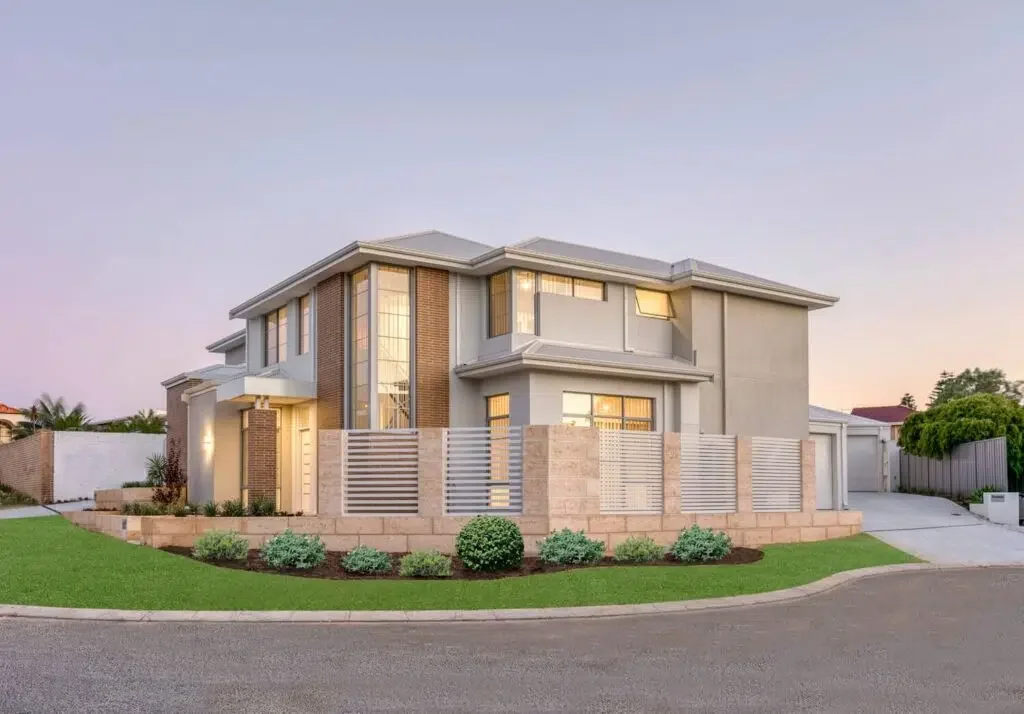
Property lending stack for builders and developers – Switchboard Finance
 Property Lending Hub
Development Finance · Commercial Property · Private Lending · Builders & Developers
The 2026 Property Lending Stack: Dev, Commercial & Private
Most builders don't need one loan — they need three facilities sequenced in the right order. Development finance, a commercial property facility and a private lending line each solve a different timing problem. Get the sequence wrong and the second approval stalls the first.
Quick Answer
A builder or developer running multiple projects typically needs three facilities working together: development finance for the build, a commercial property loan for long-hold assets, and a private lending line for timing gaps between settlement and refinance. The sequence you apply in determines whether each facility strengthens or blocks the next.
Why Builders Need Three Facilities, Not One
A single development loan does not cover the full lifecycle of a property project. A builder purchasing a site, constructing townhouses and holding a commercial unit at completion faces three distinct funding needs that operate on different timelines and different security structures. Trying to collapse all three into one facility creates a bottleneck — the lender's risk appetite for construction does not match their appetite for long-hold commercial, and neither matches the speed required to settle an acquisition.
The standard three-facility stack for an active builder looks like this: a development finance line drawn against the project's gross realisation value, a commercial property loan secured against retained or owner-occupied stock, and a private lending facility that covers the timing gap between winning a site and receiving your first drawdown. Each facility has its own credit assessment, its own security package and its own LVR threshold — and the order you apply in matters because the security pledged on one facility constrains what's available for the next.
The Urban Development Institute of Australia has flagged that multi-facility structuring is now standard practice for small-to-mid-scale developers across Australian metro and regional markets — a shift from the single-lender model that dominated pre-2020. For builders running two or three projects across different stages, this is no longer optional.
The Sequencing Order That Gets Each Facility Approved
Every lender in the stack assesses the borrower's total exposure before issuing a facility letter. The order you apply in determines what the second and third lenders see on your credit file and balance sheet. Get the sequence wrong and a Tier-2 funder declines because a first-ranking charge already constrains the available security.
The critical sequencing principle: the private lending facility settles the site fast enough to win the vendor's auction or off-market deal. The development finance line then refinances that private facility once DA is confirmed, giving the private funder a clean exit and the builder a lower cost-of-funds for the construction phase. The commercial property loan sits last because it operates on a different timeline — typically a 15–25 year amortising term assessed against rental yield or business cashflow, not project-based income.
For a detailed walkthrough of the development finance component, including feasibility requirements and drawdown mechanics, see the Brisbane development finance checklist or the broader guide on how development finance works for small-scale builders.
Where Private Lending Bridges the Timing Gap
Private lending solves one problem that no other facility in the stack can: speed to settlement. A non-bank private lender can settle a site acquisition in as little as five business days because the credit assessment focuses on the property's value and exit strategy, not the borrower's full income verification. For a builder who needs to settle an off-market site before a competing buyer, that speed is the difference between securing the project and losing it.
The typical use case: a builder wins a site at auction or secures a vendor agreement with a 14-day settlement window. Development finance cannot settle in that timeframe because the lender needs a full feasibility study, quantity surveyor report, and DA confirmation. A caveat-secured facility or first-mortgage private lending line fills that gap. The private facility sits as a first-ranking charge on the land. Once DA is approved and the development funder issues a facility letter, the private line is refinanced out — usually within three to six months.
If you're holding a site and need to lock in development finance before your private facility term expires, check eligibility here — no credit check, no upfront paperwork. For the full facility sequence including contractor equipment, see our construction loan pack.
How Two Consecutive RBA Hikes Reshape Your Stack Costs
Following the RBA's 25bp hike at the March 2026 meeting — its second consecutive increase — the cash rate sits at 4.10%, with the next decision due on 5 May 2026. For developers stacking dev, commercial and private facilities, the cost-of-funds trend matters more than the headline number.
Each facility in the stack responds to rate movements differently. Development finance pricing is typically set at a margin above a base rate and locked for the project term — so a hike mid-build does not change your repayment schedule, but it will affect feasibility modelling on the next project. Commercial property loan pricing is more rate-sensitive because amortising facilities over 15–25 years amplify the compounding effect of even a 25bp shift. Private lending, by contrast, is priced on risk and asset value rather than the cash rate — a non-bank private funder's pricing may not move at all after an RBA hike, because their capital source is different.
The practical implication for a three-facility stack: lock your commercial property loan rate early if you plan to hold retained stock, and treat the private lending cost as a fixed acquisition expense — typically charged as an establishment fee plus a monthly rate, independent of the cash rate cycle. For builders whose projects qualify as new dwelling construction, the APRA DTI framework effective from February 2026 includes a specific exemption for new dwelling construction and purchase loans — meaning your development finance facility is not caught by the 20% cap on high-DTI lending that applies to ADIs.
NCC 2025 Compliance Costs and Your Feasibility
The National Construction Code 2025 introduces new energy efficiency and accessibility requirements that directly affect construction cost estimates — and therefore your development finance feasibility. Victoria adopted NCC 2025 on 1 May 2026, while NSW, Queensland and the ACT have deferred full adoption to 1 May 2027. Builders operating across multiple states now face split compliance requirements that make a single national feasibility template unworkable.
For the lending stack, the NCC 2025 compliance costs flow through to your quantity surveyor's estimate, which flows through to the development funder's feasibility assessment, which determines your maximum drawdown limit. A funder using pre-NCC cost assumptions will underestimate the build cost, resulting in a facility that runs short before practical completion. Builders who have already lodged DA under the pre-NCC code should confirm with their QS whether the approved plans trigger transitional provisions or full NCC 2025 compliance — the answer determines whether the cost estimate in your feasibility is still valid. The Australian Building Codes Board maintains the current adoption timeline and transitional guidance for each jurisdiction.
Sweet Spot — When the Three-Facility Stack Works Best
- Two or more active projects at different stages (one in DA, one in construction, one in settlement)
- Site acquisition requires speed that development finance cannot deliver
- Retained commercial stock at completion needs long-term hold finance on separate security
- Builder has existing equity in a completed project to cross-support the private lending line
- Development finance feasibility accounts for NCC 2025 compliance costs in the relevant state
- Each facility uses a different lender or funding line — no single-lender dependency across the stack
For townhouse-scale developments, the three-facility stack is especially effective because the project timeline is typically 12–18 months from site settlement to practical completion — short enough that the private lending facility and development finance overlap only briefly, keeping total interest costs contained. See the Property Lending Hub for the full range of structures available to builders and developers.
The 2026 property lending stack for active builders sequences three distinct facilities — private lending for site acquisition speed, development finance for the construction phase, and a commercial property loan for retained stock — in an order that prevents each approval from blocking the next. Following two consecutive RBA hikes to 4.10% as of March 2026, cost-of-funds management across the stack is now a feasibility-level decision, not an afterthought. NCC 2025 adoption splits compliance timelines by state, adding construction cost variables that must be locked into your QS estimate before the development funder signs off.
Key takeaway: Sequence the private facility first, development finance second, and the commercial hold loan last — and verify your feasibility reflects NCC 2025 costs in the state where you're building.Frequently Asked Questions
Apply for the private lending facility first if you need to settle a site quickly. The private facility secures the land as a first-ranking charge and settles in 5–14 days. Once DA is confirmed, apply for the development finance facility — the dev funder refinances the private line and begins staged construction drawdowns. Applying in the reverse order delays the site acquisition because development finance requires a full feasibility assessment, QS report and council-approved plans before the funder will issue a facility letter. The development finance guide explains the full approval sequence.
It is possible but rarely advisable. A single lender will typically cross-collateralise all three facilities, meaning a problem on one project — a construction delay, a valuation shortfall, a presale fallthrough — can trigger a review across your entire lending relationship. Splitting the stack across different funders isolates risk: if the private lender's facility performs to plan, the development funder does not need to reassess it. Non-bank specialists in development finance and private lending operate independently of major bank credit policies, which gives builders more flexibility when one project runs behind schedule.
The APRA debt-to-income framework effective from February 2026 limits ADIs from writing more than 20% of new mortgage lending at DTI ratios of six or above. However, new dwelling construction and purchase loans are specifically exempt from this cap — meaning a builder's development finance facility is not counted in the ADI's high-DTI bucket. Non-ADI lenders (non-bank funders, private lending providers) are entirely outside APRA's prudential framework and are not affected at all. This is one reason the three-facility stack increasingly uses non-bank funders for the private and development components while reserving the commercial hold loan for an ADI where rate competitiveness matters. See the commercial property loan rates overview for how ADI pricing compares to non-bank alternatives.
Development finance LVR is assessed against the project's gross realisation value, not the purchase price. Most non-bank development funders will lend up to 65–75% of GRV on a standard residential project with DA approval, a QS-costed build program and either presale contracts or strong comparable evidence. Builders with a completion track record and existing equity in the project can sometimes access up to 80% of total development cost. The no-presales development finance guide covers what funders evaluate when presale contracts are not available. For SMSF-held commercial property, different rules apply — the SMSF commercial property loans guide explains the limited recourse borrowing arrangement structure.
Yes. The National Construction Code 2025 raises energy efficiency and accessibility standards, which increases construction costs — typically by an amount that varies by project type and jurisdiction. Your development finance funder assesses the project against a quantity surveyor's cost estimate; if that estimate uses pre-NCC 2025 assumptions, the approved facility may fall short before practical completion. Victoria adopted NCC 2025 from 1 May 2026, while NSW, Queensland and the ACT deferred to 1 May 2027. Builders with DA lodged under the previous code should confirm with their QS whether transitional provisions apply. For a step-by-step guide to what development funders require, see the Brisbane development finance checklist — the feasibility section covers QS report requirements in detail.

 FBAA Accredited
