
The Real Cost of Running a Café in 2025 — And How Smart Finance Stops Cashflow Crashes
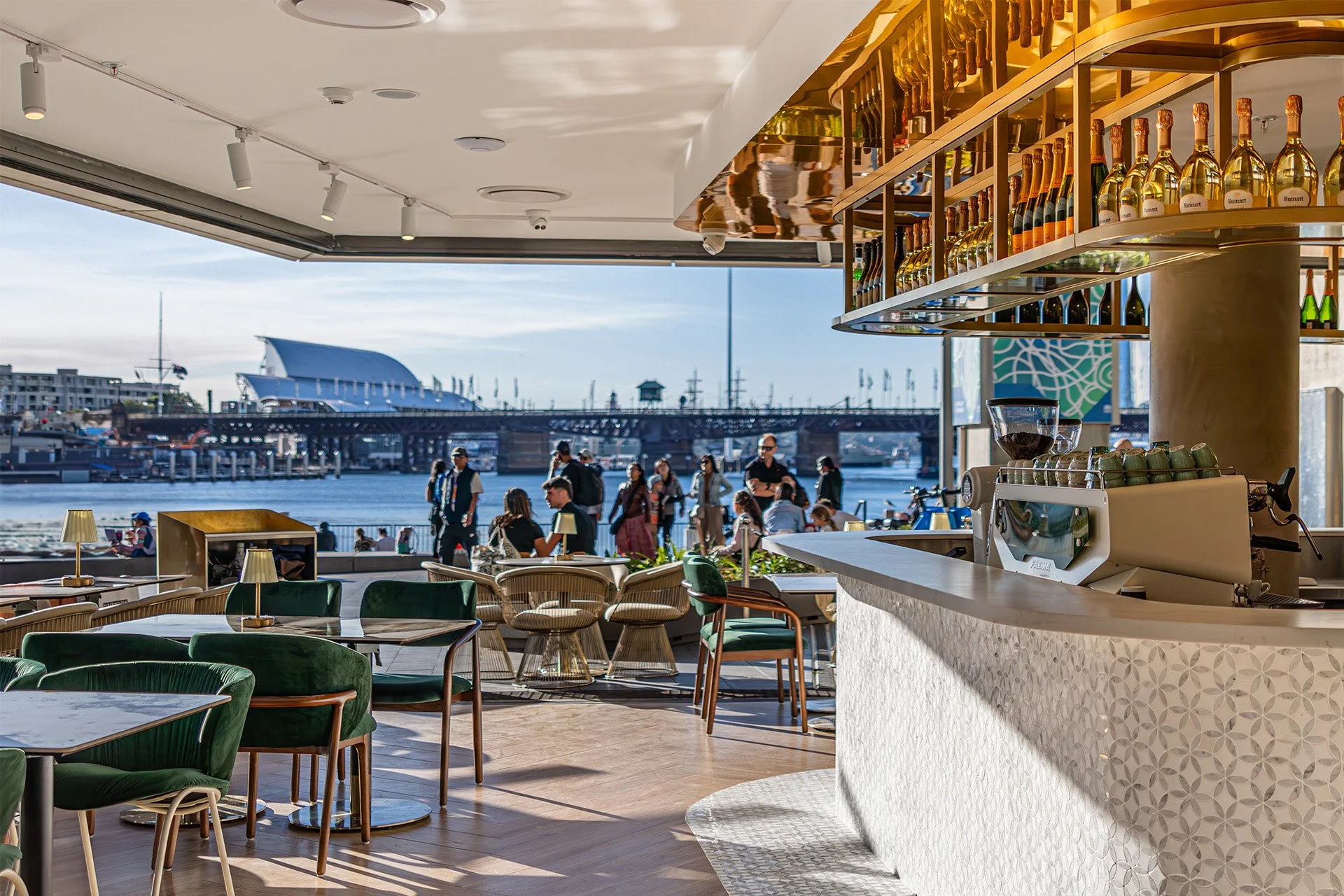
Real café operating costs for owners in 2025 – Switchboard Finance
Café Finance · 2025 Breakdown
Running a café in 2025 is more expensive, more competitive and more volatile than any year in the last decade. The challenge isn’t just rising costs — it’s when those costs hit. Cashflow timing issues are now the number one reason cafés feel financially stressed, even when revenue looks strong.
This expanded guide breaks down the real café cost stack, shows where the pressure points are, and explains how finance tools — like a Business Line of Credit, Working Capital Loan and Invoice Finance — stabilise café operations. Everything here connects back to the Café Finance Hub.
1. Wages & Staffing (40–45% of Revenue)
Wages are the single biggest cost for cafés. In 2025, award increases, higher penalty rates and talent shortages have pushed labour to all-time highs. A standard suburban café with six staff may spend $6,000–$12,000 per week just on payroll.
Because payroll cycles often land mid-week — before the weekend revenue surge — many owners lean on a flexible facility to bridge the gap.
- Baristas: $28–$40/hr with penalties
- Kitchen staff: $25–$35/hr
- Superannuation: 11.5% (2025)
- Weekend loadings: +25–50%
Even profitable cafés feel squeezed because wages are due before most of the week’s turnover is collected.
2. Rent, Energy & Insurance Are Rising Faster Than Takings
Rent remains the second-largest fixed cost. Prime locations easily exceed $80,000–$200,000 per year, while energy bills have surged 18–30% across the last 12 months. These fixed expenses rarely align with weekly working capital cycles.
Typical café fixed costs in 2025:
- Commercial rent: $1,200–$4,000/week
- Energy: $1,200–$2,000/month
- Insurance (public liability + property): $250–$500/month
- Software (POS, rostering, accounting): $150–$350/month
A quiet rainy week can leave owners scrambling unless they have a buffer in place.
3. Supplier Terms Are Getting Tighter & Less Predictable
Coffee beans, dairy, bakery goods, fresh produce and takeaway packaging often operate on short trade terms. Many suppliers moved from 14-day to 7-day cycles in 2025, putting even more pressure on week-to-week cashflow.
Typical weekly invoice stack:
- Coffee roaster: $800–$2,000/week
- Bakery distributor: $600–$1,400/week
- Fresh produce: $1,000–$2,500/week
- Dairy: $350–$700/week
- Packaging & consumables: $200–$500/week
This is where invoice finance protects the café when supplier deadlines don’t match customer cash inflow.
4. The Hidden Costs Most Café Owners Underestimate in 2025
Some costs don’t appear on spreadsheets but have a major financial impact:
- Public holiday penalty wages — often 2× normal output for 1.6× revenue.
- Food wastage — 5–10% of weekly inventory due to spoilage.
- Surcharges (card processing) — $300–$700/week depending on volume.
- Delivery platform fees — 20–30% commissions squeezing margin.
- Unexpected closures — illness, equipment failure, plumbing issues.
These soft costs accumulate and directly affect a café’s borrowing capacity if not managed properly.
5. Coffee Machines & Equipment Are Expensive to Maintain
Coffee machines, grinders, fridges, ovens and POS systems are the backbone of the café. In 2025, equipment replacement costs jumped 12–18% due to supply-chain constraints.
Typical 2025 costs:
- Commercial coffee machine: $12,000–$30,000
- Grinder: $1,500–$4,000
- Fridge/freezer: $2,500–$7,500
- Oven/combi-steamer: $5,000–$20,000
- POS system: $1,200–$4,000
An unexpected failure can wipe out weekly cash reserves. This is why owners lean on equipment finance instead of paying upfront.
6. Why Cashflow Crashes Happen Even in Busy Cafés
A café can be packed every weekend yet still struggle financially. The biggest causes:
- Weekly costs (suppliers) due before weekly revenue.
- Fortnightly payroll landing before weekend takings.
- Rent monthly, revenue daily — mismatched cycles.
- Seasonality — wet weather, holidays, local events.
This mismatch is why lenders look closely at a café’s bank statements when assessing stability and servicing capacity.
7. What Smart Café Owners Are Doing in 2025
The most stable cafés are doing three things:
- Using a line of credit for payroll and supplier smoothing.
- Using working capital to cover seasonal slowdowns.
- Financing equipment instead of paying upfront.
- Tracking turnover trends with digital reporting tools.
- Protecting cash reserves to avoid vulnerability.
Many lenders now accept 6–12 months trading for new cafés with stable turnover patterns.
8. How Finance Stops Cashflow Crashes (2025 Edition)
When used strategically, finance transforms unpredictable café income into a stable weekly flow.
- Business Line of Credit — covers supplier bills & wages.
- Working Capital Loans — smooth seasonal dips.
- Invoice Finance — overcomes tight supplier terms.
- Equipment Finance — spreads out big purchases.
The goal isn’t debt — it’s stability. And it’s all mapped inside the Café Hub.
