
Refrigeration Upgrade Ladder for Cafés (2025)
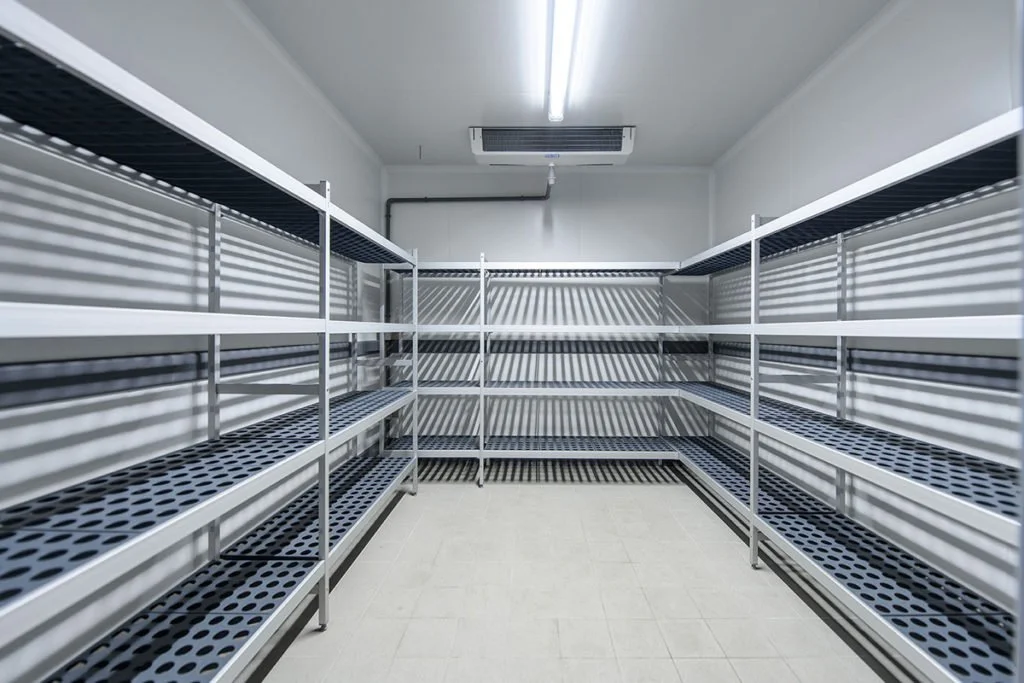
Commercial café refrigeration upgrade ladder showing display fridges, prep benches and cool rooms
 Insights · Café / Hospitality
Refrigeration Upgrade Ladder for Cafés (2025): Display Fridges → Prep Benches → Cool Rooms
Cold chain is profit. Overstuffed fridges = slower service and more throw-outs.
This ladder shows when to step up your refrigeration without smashing weekly cash flow — and how to think about equipment funding as your volume grows. If you want the broader café growth picture first, read Cash Flow vs Growth and browse the Café & Hospitality Finance Hub, then come back here.
| Stage | When it’s time | What you’re upgrading | Common structure |
|---|---|---|---|
| 1) Display + underbench | Peak hours = doors open constantly, milk/cream runs warm, drinks line slows. | Display fridge, underbench fridge/freezer, small upright freezer. | Finance Lease |
| 2) Prep bench + reach-in | Prep time is the bottleneck; you’re wasting steps and throwing out food. | Prep benches, reach-in fridges, workflow-friendly cold storage. | Chattel Mortgage |
| 3) Cool room + install | You’ve outgrown deliveries; bulk buying makes sense; storage is chaos. | Cool room, panels, condenser, install and trade works. | Operating Lease |
Stage 1: Fix the front-of-house bottleneck first
If the display fridge is packed and staff are leaving doors open mid-rush, you’re not just warming milk — you’re slowing tickets. Stage 1 is about stabilising service speed and temperature consistency with a simple Asset Finance approach that suits smaller, fast-impact upgrades.
If you’re still deciding what to upgrade, start with Top 5 Café Equipment Upgrades and park a bigger fitout plan in Café Fitout Financing in 2025.
- Trigger #1: throw-outs or quality complaints rising.
- Trigger #2: drinks line slows because fridge access is messy.
- Rule: upgrade storage before you upgrade menu complexity.
Stage 2: Prep capacity (where waste usually hides)
Refrigeration loses value over time — but the real cost is waste: cramped reach-ins, inconsistent temps, and messy prep flow. Stage 2 is about making prep predictable so weekends don’t turn into “we ran out” or “we binned it.”
When equipment is funded, you’ll often see a security registration like a PPSR entry tied to the asset. For tax basics and business guidance, keep the official reference point simple: ato.gov.au.
- Upgrade for speed: reach-in storage at the exact station it’s used.
- Upgrade for consistency: one “cold zone” for sensitive items.
- Upgrade for margin: fewer spoilage write-offs each week.
Stage 3: Cool room + install (the “scale” move)
Cool rooms are the point where “equipment” becomes a mini project — timelines, installers, and storage workflow all matter. The win is simple: buy smarter, store safely, and reduce delivery chaos when you’re scaling.
Approvals are smoother when the upgrade matches your trading rhythm (deliveries, weekend spikes, catering days) and the quote clearly itemises what’s included. If you’re mapping multiple upgrades, the Café Cash Flow Pack is the system view that ties weekly cash flow and upgrades together.
- Before you build: measure weekly deliveries and storage pain points.
- Decide: “bulk buy margin” vs “fresh delivery frequency”.
- Plan the next move: pair storage upgrades with workflow (prep + service).
Refrigeration finance — FAQs
Should I choose a Fixed Rate for refrigeration upgrades?
If budgeting certainty matters, fixed can be cleaner — especially when you want repayments to stay predictable through quiet weeks. If you want flexibility (but accept repayments can move), compare it to a Variable Rate.
How does Residual Value work on café refrigeration?
Residuals are common in lease-style structures and can reduce repayments during the term. In loan-style setups, the similar “end lump” concept is a Balloon Payment — it should match the realistic life of the equipment, not an optimistic guess.
What Term Length is common for fridges and cool rooms?
Most owners choose a term that keeps repayments comfortable in slow weeks without dragging the contract past the asset’s useful life. If your deposit is small, lenders may also look harder at LVR (how much of the asset value is being financed).
Should I focus on weekly payments or the Comparison Rate?
Don’t get trapped by the lowest weekly number alone. Ask what fees apply and how the total cost stacks up over the term. If you swap or upgrade often, also watch Exit Fees so you don’t get clipped when you change gear early.
When I upgrade again, do I need a Payout Figure?
Yes — it’s the only way to know what it truly costs to close the existing contract on the day you upgrade. If you’re switching early, ask the lender what counts as Early Termination so you don’t get surprised mid-upgrade.
