
Repair vs Replace a Production Machine: What’s the Smarter Finance Move? (2025)
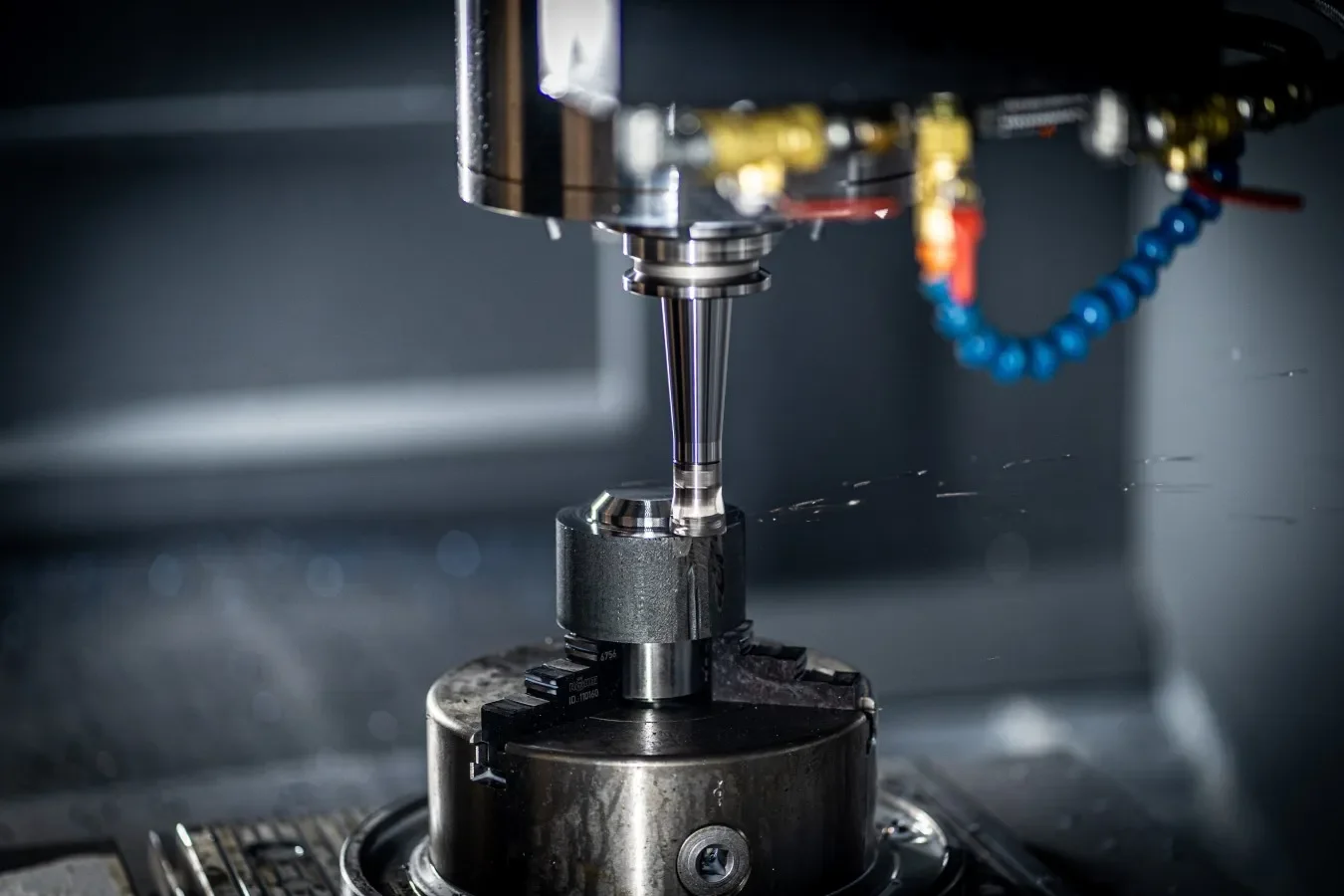
Repair vs replace production machine finance for manufacturing business owners – Switchboard Finance
 🏭 Manufacturing · Decision guide · Business Owners Hub · 2025
“Repair vs replace” isn’t a maintenance question — it’s a production stability question. The right move depends on downtime risk, scrap/rework, backlog pressure, and how the cash hit lands. This guide is built for manufacturing businesses weighing Machinery Finance decisions in 2025.
If you’re financing more than one asset type (machines + vehicles + fitouts), start with the big-picture readiness guide: 11 Signs Your Business Is Ready for Asset Finance in 2025. For “don’t shoot yourself in the foot” errors, use: Equipment Finance Application Mistakes.
Section 1: The decision that actually matters (risk + throughput)
A CNC spindle repair can be “cheaper” on paper — but if it creates unpredictable stops, your true cost is lost throughput plus the knock-on effect to delivery promises. The same logic applies to a press brake with drifting accuracy or a laser cutter with unreliable power output.
In 2025, the cleanest decision lens is: will this machine be reliable enough to protect your schedule for the next 12–24 months? If the answer is “maybe”, you’re not choosing between repair and replacement — you’re choosing between stable planning and constant fire drills.
Before you talk structure, get the operational truth in one page: what the machine does, what happens when it stops, and what “good enough” reliability looks like for your workflow of Plant & Equipment.
- The fault is recurring (you can’t predict downtime windows).
- Accuracy drift creates rework/scrap (quality issues cost more than the part).
- Lead times are tight and one stoppage breaks multiple jobs.
- Operator time is being wasted on workarounds instead of production.
- The machine is otherwise stable and the fix is truly once-off.
- Parts and technicians are available quickly (short downtime window).
- You can schedule the repair around your production peaks.
- Your replacement unit would take too long to arrive (you’d still lose throughput).
Section 2: The “smarter finance move” depends on cash timing
Most businesses don’t lose money on the decision — they lose money on the timing. A repair might be smaller, but it can land as a lump-sum at the exact moment your payroll and suppliers are heaviest. Replacement can be smoother if the structure matches your production cycle and payment rhythm.
The goal is a predictable monthly number that doesn’t require heroics. That’s why you should model the decision inside a simple Cash Flow Forecast instead of relying on “it should be fine”. You’re not forecasting perfection — you’re forecasting how many bad weeks you can absorb without stalling growth.
If you want a practical “structure lens” before you commit, this is a strong companion read for 2025: Lease vs Buy Equipment. It helps you align the structure to how you actually use the machine.
| Machine | Repair-friendly scenario | Replace-friendly scenario | What to quantify (one line each) |
|---|---|---|---|
| CNC | Once-off component fix + short downtime window you can schedule. | Recurring faults, operator workarounds, or unstable tolerances that create rework. | Lost spindle hours per month + “rework hours” cost. |
| Press brake | Calibration/part replacement that returns accuracy for a predictable run. | Drift that creates quality rejects and constant adjustment time. | Scrap/rework cost + overtime needed to catch up. |
| Laser cutter | Known fix with confirmed parts availability and stable output after service. | Unreliable output, long service lead times, or missed delivery windows becoming common. | Backlog penalty + subcontracting costs to protect delivery dates. |
- Downtime impact (lost throughput + rescheduling admin).
- Quality cost (scrap + rework + additional QA checks).
- Temporary workarounds (subcontracting, hire equipment, rush freight).
- Tech lead times (days off-tool can matter more than the repair invoice).
- What does “stable” mean for this machine in the next 12 months (uptime target)?
- If it fails twice again, do we still want to be in “repair mode” — or would we regret not replacing earlier?
Section 3: The 2025 checklist (so the file stays clean)
Whether you repair or replace, your “finance move” is smarter when the file is simple: clear asset details, clear purpose, stable numbers, and no last-minute changes. That reduces follow-up questions and avoids slowdowns at the point you’re trying to get back to production.
If you’re replacing a machine, treat it like a business project: pick the equipment spec, confirm delivery timing, and align structure to how long you’ll run it. For tax/admin planning conversations, it also helps to have a clean Depreciation Schedule ready for the year. (General reference point: ato.gov.au.)
If you’re funding across multiple priorities (machine + other upgrades), this helps you prioritise: 7 Business Costs You Can Finance. It keeps the decision grounded in sequencing, not impulse.
- Final spec and supplier quote (no “we’ll decide later” inclusions).
- Delivery lead time + installation plan (who’s doing what, and when).
- One-page purpose: capacity increase, reliability, quality, or contract requirement.
- A simple repayment comfort statement tied to your expected monthly output.
- Written scope of works + what “done” means (so it’s not open-ended).
- Parts availability confirmed (avoid “we’ll see” on lead times).
- A downtime plan: which jobs move, which jobs subcontract, who tells customers.
- A “two-strike rule”: if it fails again, you pre-agree to switch to replace mode.
In 2025, “repair vs replace” is best decided by production stability: predictable uptime beats a cheaper invoice that creates constant disruption. Model the decision inside a simple cash plan, then pick a structure that keeps repayments boring.
If you’re replacing a machine, start with Equipment Finance. If documentation is lighter (or you’re moving quickly), see Low Doc Asset Finance. If you want the “smooth the bumps” approach for timing gaps, use a simple Term Loan mindset: predictable repayments, predictable schedule.
Browse more manufacturing-friendly decision content in the Business Owners Finance Hub. For cashflow facility options, see Business Loans.
FAQ
Start with the “comfort test”: if repayments existed tomorrow, would they still work next to wages, rent and suppliers? That’s essentially Servicing in plain English — can the business carry the payment without stress during a slower month.
Often, yes — which is why details like asset condition, supplier credibility and deal structure matter. A practical lens you’ll hear a lot is LVR (how much is being funded relative to value), especially on higher-ticket machinery.
It usually comes down to how you want the end-of-term to look. If your plan relies on an agreed “end value”, you’ll want to understand how Residual Value decisions affect the next step (keep, upgrade, or roll).
Get the current Payout Figure early. It prevents planning off the wrong number and helps you compare “repair + keep” vs “replace now” without guessing.
That’s a timing problem, not a “good idea vs bad idea” problem. Many businesses solve timing gaps with a clean facility like a Business Line of Credit so payroll and suppliers stay stable while production upgrades land.
