
Second Truck + Balloon Due Soon (2026): The Split-Facility Growth Plan
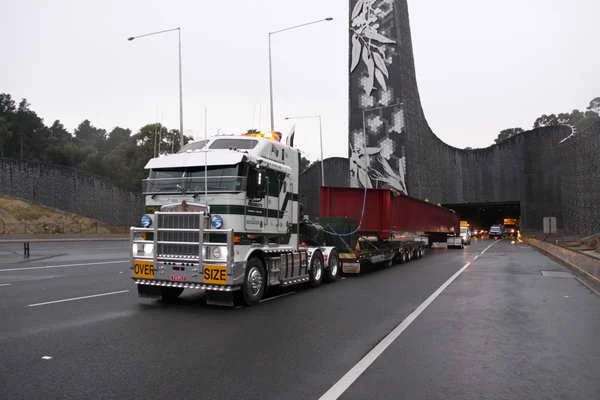
Second truck balloon timing growth plan for transport businesses | Switchboard Finance
 Insights · Trucker / Transport
Second Truck + Balloon Due Soon (2026): The Split-Facility Growth Plan for Property-Backed Transport Businesses
Fleet growth gets messy when your next rig purchase collides with a balloon due on the current truck. For a transport business, that’s the worst timing: wage weeks gap, fuel spikes, and docket-to-pay cycles don’t care that the balloon is coming. The clean move is usually two lanes, not one: one asset facility for the next truck, plus a separate cash buffer so repayments don’t strangle cashflow during busy logistics weeks.
Start at the corridor overview: Truckie Hub. If you’re scaling as a fleet operator (or planning it), read What is Fleet Finance first — this post is the “balloon timing blueprint” version of that story.
If a balloon is due soon, try not to force everything into one combined approval. Split the structure: (1) a clean asset facility for Truck #2, and (2) a separate buffer facility that covers the balloon timing window + fuel/maintenance volatility. The consequence of not splitting is cross-wired security, slower approvals, and deposit/terms blowouts when lenders get nervous.
| Problem | What lenders see | Split-facility fix | If you don’t |
|---|---|---|---|
| Balloon due soon | Refinance pressure + timing risk | Separate buffer for timing window | Rework + slower decision |
| Second truck purchase | Asset decision + valuation certainty | Standalone asset facility for Truck #2 | Cross-collateral worries |
| Busy logistics weeks | Cashflow timing (docket-to-pay) | Cash buffer sized to the cycle | Repayment squeeze |
| Exposure limits | Fleet risk concentration | Cleaner lender exposure story | Haircuts / deposit jumps |
1) The “balloon collision” problem (why 1→2 trucks stalls)
A balloon creates a hard date. Your second truck creates a new obligation. When they collide, the file stops being “asset purchase” and becomes “timing + exposure.” That’s where approvals slow — not because the transport business is bad, but because the structure looks messy.
If you ignore the balloon timing, the consequence is the lender assumes you’re forced to refinance under pressure (or pay cash you don’t have), which can lead to conservative limits, slower valuation steps, and last-minute conditions.
A logistics operator had a balloon due in 8 weeks and tried to roll the new rig purchase + balloon into one “big refinance”. The lender asked for more evidence, more time, and the deal became a queue reset. When the operator split it into two lanes (truck asset + buffer), the decision became clearer and moved faster.
2) The split-facility growth plan (the clean structure lenders like)
The goal is to keep Truck #2 assessment “pure” (asset, price, repayments) and handle balloon timing as a separate cashflow question. That reduces cross-wiring and keeps the asset approval path clean for truckers and fleet operators.
If you don’t split it, the consequence is cross-collateralisation risk: lenders worry that one hiccup forces them to chase multiple securities at once, so they slow the file down or tighten terms.
Lane A — Truck #2: asset facility only (price, valuation, repayments, settlement).
Lane B — Balloon timing buffer: separate cash buffer sized to the timing window + fuel/maintenance volatility + wage weeks gap.
Glossary (use once): Balloon Payment.
An owner-driver on subcontractor runs used Lane A for the second truck and Lane B as a short buffer to cover the balloon window while invoices cleared. The lender preferred the clarity: “truck is truck, buffer is buffer” — not a single blended facility with unclear usage.
3) Keep approvals fast: avoid cross-wiring security and exposure
Fast approvals come from clean risk framing. When a transport business stacks a balloon problem on top of a purchase, lenders start asking: “What’s the real purpose?” and “What happens if a busy logistics week turns quiet?”
The consequence of cross-wiring is almost always time: additional conditions, deeper review, and sometimes deposit movement if valuation feels conservative. Glossary (use once): Secured Loan.
A fleet operator tried to “tie everything together” using multiple assets as security. The lender treated it as higher complexity and slowed it down. When the operator separated the truck asset approval from the balloon timing buffer, the file stopped looking like a restructure and started looking like a clean purchase.
4) Where the money page fits (and what to read next)
If you’re growing with low doc terms, the cash path to revenue stays Low Doc Asset Finance. That keeps the truck facility aligned to the asset and avoids mixing it with unrelated cashflow questions.
For the valuation side (which can impact deposits), pair this post with your add-ons evidence pack: Truck Add-Ons Valuation Pack (2026). The consequence of skipping valuation evidence is conservative outcomes that can force cash in — right when the balloon is already demanding cash.
A transport business had a tail-lift + telematics and assumed it would “count.” Valuation came back conservative, which made the balloon collision worse. When they documented add-ons properly and split the facilities, they avoided a late-stage deposit blowout.
Truckers, owner-drivers, transport & logistics businesses growing 1→2 trucks with a balloon due soon should usually split the structure: one clean asset facility for Truck #2, plus a separate buffer facility for timing + cashflow volatility. That’s how you protect approval speed.
Start at the Truckie Hub, then read What is Fleet Finance. If deposit pressure is coming from valuation uncertainty, use Truck Add-Ons Valuation Pack (2026).
FAQs (fast answers)
Five quick answers for the 1→2 truck balloon timing scenario.
Because it introduces timing risk and “forced decision” pressure. Lenders want to see that your growth plan doesn’t rely on perfect weeks in logistics — especially around repayment change points.
One facility is only for the truck asset (price, valuation, repayments). The other is a separate buffer facility designed for cashflow timing windows (balloon, fuel/maintenance spikes, wage weeks gap).
It can improve options, but it doesn’t remove the need for clarity. Even when you’re property-backed, approvals speed up when the truck purchase and the balloon timing buffer are presented as two clean lanes.
Make sure valuation evidence is clean (especially add-ons), and don’t blend a balloon problem into the asset purchase story. When the file reads “clean purchase + separate buffer,” lenders move faster.
When valuation comes in conservative, your lender’s leverage position worsens. That shows up as a tougher LVR outcome — which often means more cash required.
