
Second Truck Growth Case Study (2026): Subcontractor → Employee Driver
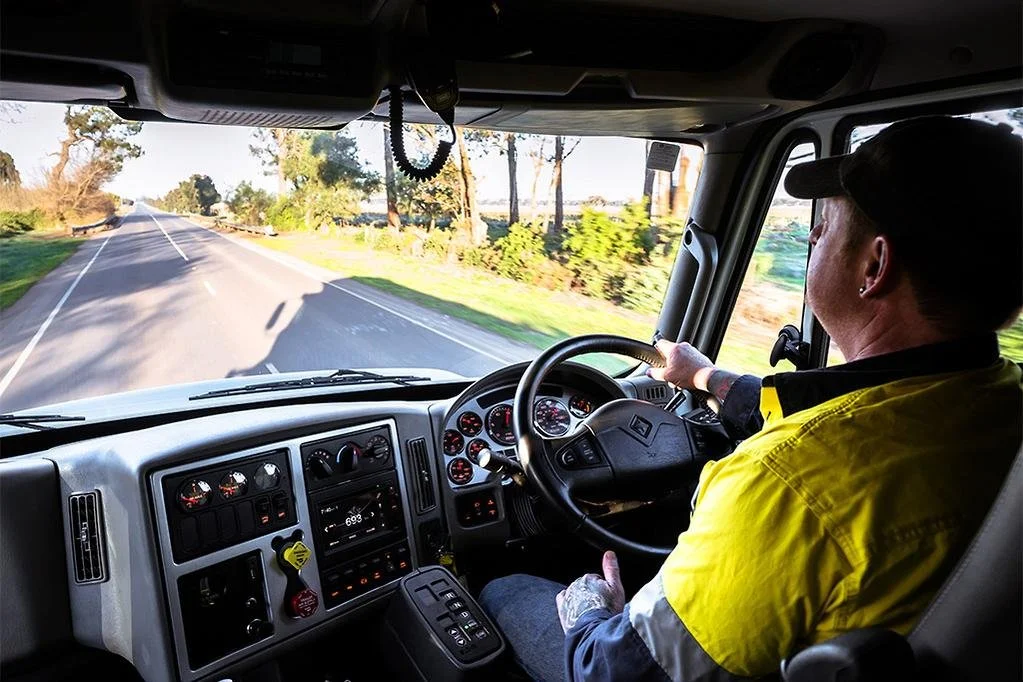
Second truck growth case study for truckers and owner-drivers

Second truck growth doesn’t fail on work — it fails on wage weeks.
This truck finance case study is for a trucker (owner-driver) running a transport business in logistics with a small fleet. Your ABN can look busy and your cashflow can still collapse in the docket-to-pay gap. (Same story you hear from “truckie” mates — the timing kills you.)
The clean plan: structure the upgrade as one “trade + replace” story, then shape repayments so wages don’t depend on debtors paying on time.
Browse the lane: Transport Hub · Basics first: What Is Fleet Finance?
Wage-week survival timeline (simple)
A credit team wants proof that driver wages, fuel and repayments still hold when payments slip.
| Phase | What happens | Risk | Clean move |
|---|---|---|---|
| Before you apply | Confirm trade value + replacement numbers | Wrong figures = wrong approval | Lock the structure early (no “guess numbers”) |
| Weeks 1–2 | Driver starts, first wage weeks hit | Wages before debtor cash lands | Delay/start-date + buffer sized to cover wages |
| Weeks 3–6 | Docket-to-pay cycle shows up | Late payers create holes | One clean facility + one buffer option |
| Month 2+ | Backhaul improves, run stabilises | Over-borrowing becomes the risk | Review term + balloon once stable |
Case snapshot: subcontractor → employee driver
A single-truck operator adds a second unit to run a two-truck roster. Demand is real — but the first wage weeks arrive before debtor cash lands.
So the approval story must be built on evidence, not optimism: show the pay cycle and how you survive the timing gap.
- Deposits match real trading (use Bank Statements, not spreadsheets).
- A simple history story that matches your Trading History.
- Repayments that pass Servicing even when a payer slips.
Biggest client pays “whenever.” The operator covers two wage weeks before the first invoice clears — so the structure is designed around wages, not hope.
Trade + replace structure (what stops silly declines)
Most “second truck” declines happen when it reads as two separate decisions. Make it one structured change: trade the old unit, replace, then expand capacity cleanly.
When paperwork is light but bank evidence is strong, this is where Low Doc Asset Finance can fit the reality of a working transport business.
- Confirm trade numbers before delivery dates and deposits.
- One story, one path: upgrade + capacity, not “random new debt”.
- Know the repayment window you can actually hold through wage weeks.
The application reads as “replace and expand capacity with a staged roster,” not “I’m buying truck #2.” Credit teams approve clarity.
Balloon timing + wage weeks (the part most truckers miss)
The goal isn’t “cheapest repayment on paper.” It’s a repayment shape that survives wage weeks while the second unit stabilises.
That’s why balloon timing matters: a sensible Balloon Payment can reduce early pressure — but it must match a realistic Term Length.
- Reduce early pressure with a balloon — then review once truck #2 is stable.
- Align repayments to the pay cycle (weekly repayments don’t equal “safe”).
- Keep one buffer option so wages don’t depend on perfect timing.
Two-week wage gap + late-paying customer = cash hole. Balloon reduces the weekly hit while the buffer covers wage weeks without panic moves.
The Contract Proof Pack (not a docs checklist)
This isn’t about dumping paperwork. It’s five proofs that make the decision obvious: how you get paid, how often, and why the second truck won’t break the business.
Keep it tight, lender-friendly, and built around timing (docket-to-pay), not vibes.
- Work confirmation: rates, lanes, frequency, payment terms.
- Docket-to-pay summary: average days-to-paid + worst-case late weeks.
- Fuel + maintenance buffer logic (what you set aside and why).
- Driver plan: roster + wage weeks + leave/stand-down cover.
- One-page timing map: revenue in vs wages out (no fluff).
Two major customers. One slips by 14 days. The pack shows wage weeks are covered anyway — which is what prevents “declined due to uncertainty.”
Truckers, owner-drivers, transport & logistics businesses: the clean second-truck play is (1) trade/replace structure confirmed, (2) repayments shaped around wage weeks, (3) one buffer option for the docket-to-pay gap.
If the timing gap is real, add one planned cashflow pillar (not random short loans): Working Capital Loans.
For many owner-drivers, a simple Chattel Mortgage-style setup reads as “asset-backed capacity” (clear purpose, clear repayments) — especially when the wage-week timing is shown upfront.
Match the balloon to the stabilisation period and plan the exit early. A Residual Balloon can help early cashflow — but only when the refinance/upgrade plan is realistic before that date arrives.
Sometimes — but size it for timing gaps, not lifestyle drift. Treat it like a tool with a defined Credit Limit and a “draw and clear” habit tied to debtor inflows.
They look for stress-tested timing: wages, fuel, insurance and repayments still hold when payments slip — basically a real Cash Flow Assessment with conservative assumptions.
Get the current finance position confirmed early. The whole structure can fall over if the Payout Figure changes late, because your replacement numbers stop matching reality.
