
Sydney Skip Bin Finance (2025): Low Doc Options for Builders, Demo & Landscaping
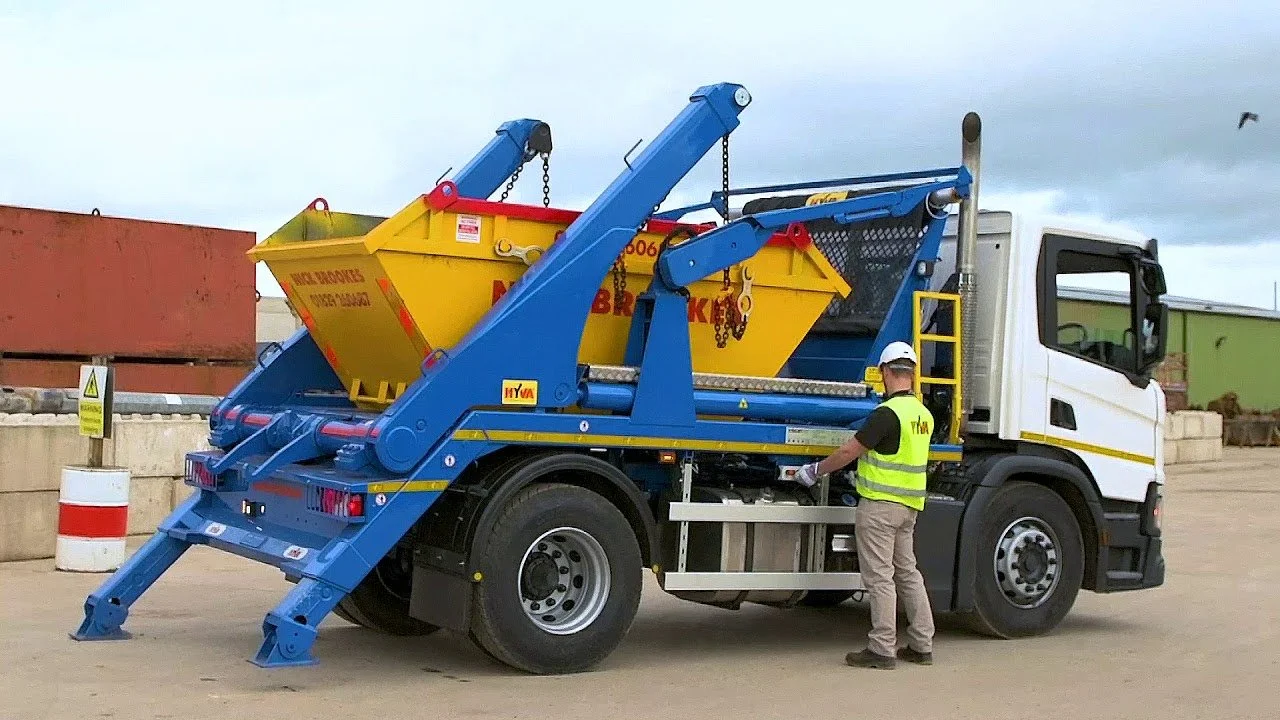
Skip bin finance for Sydney builders – Switchboard Finance

If you’re turning down jobs because you don’t have enough bins, you can often finance additional skips as Equipment Finance instead of draining cash. This Sydney-focused guide shows the simple low doc pathway and how to keep repayments matched to real job flow.
1) What you can usually finance (skip bins, sets, and package deals)
For many operators, the upgrade isn’t a new vehicle — it’s extra bins so you can run more jobs per week and stop bottlenecking your schedule. Lenders typically want a clean quote/invoice, clear business use, and a realistic repayment plan.
The cleanest applications are the ones where the bin purchase clearly supports revenue (more jobs, bigger jobs, or less subcontracting). If you’re Sydney-based (Inner West, Parramatta, South West, Northern Beaches), the logic is the same: prove demand and keep the numbers simple.
- ✅ Extra 2–6m³ bins to cover more reno rubble / green waste jobs
- ✅ Mixed set (small + medium + large) so you don’t get stuck with the wrong size on-site
- ✅ Replacement bins (bent, rusted, or non-compliant) to protect customer experience
- ✅ Bin “package” purchase from a supplier with delivery included
Real-life example: A Sydney demo crew adds 8 new bins so they can run two extra sites per week without waiting on returns — repayments are set to fit the new weekly throughput.
2) Low doc checklist (what usually matters most)
Low doc is basically “show the business is real and the repayments are reasonable” — without needing full financial statements. The faster you can present the basics, the smoother the process tends to be.
If you want the formal pathway, start at Low Doc Asset Finance and we’ll tell you what’s worth uploading (and what’s not). (Most bin deals are structured similarly to a Chattel Mortgage on the equipment side — simple, asset-backed, and built for cash flow.)
| Item | Why it helps | Keep it simple |
|---|---|---|
| Supplier quote / invoice | Shows exactly what’s being financed (bins, quantity, delivery) | One PDF is perfect |
| ABN + business details | Confirms trading identity and structure | Match the name on the quote |
| Recent bank statements (or feeds) | Demonstrates real income flow and expenses | Show stable deposits |
| Short story (what changes after purchase) | Connects the upgrade to revenue / capacity | 2–3 sentences |
Real-life example: A landscaping business in Sydney funds 12 extra bins for green waste season and uses bank statements + a supplier invoice to show demand without full accounts.
3) Repayment structure: make bins “self-funding”
The goal isn’t the cheapest-looking repayment — it’s the repayment that stays safe when weeks get lumpy. If you’re seasonal (or project-based), build a buffer into the structure.
If you’re already financing other gear, it can help to review your overall setup on the Equipment Finance pathway and avoid stacking repayments blindly.
- 1) Estimate your extra weekly capacity (jobs you can now take)
- 2) Set a repayment you can cover from that extra capacity (not your “best week”)
- 3) Keep one spare week of repayments aside (so a slow week doesn’t break you)
Real-life example: A Sydney builder ties repayments to the extra bin turns they can now do per week — so the upgrade pays for itself instead of eating cash.
Want the tradie-friendly overview of how business upgrades get financed without wrecking cash flow? Read Tradie Finance Australia.
If bins are the bottleneck, finance can be the unlock. Keep the application clean (quote + basics) and structure repayments around real weekly throughput — not your best week.
Next step: Use the Tradie Hub and the hero tradie explainer to map the next upgrades.
FAQ
Most financed assets are recorded on the PPSR. If you’re buying used bins, you can also run a quick search on the official government register at ppsr.gov.au.
Yes — what matters is expected Useful Life, condition, and clear business use.
They usually sanity-check repayments via a simple Cash Flow Assessment — prove it fits your normal week, not your best week.
Often the asset is the security, but some approvals may also require a Director’s Guarantee depending on structure and risk.
Usually a clean Tax Invoice (or supplier invoice) plus correct business details so funds can be paid without delays.
