
Tradie Finance "Day 0" Submission Bundle (2026): The Ute, Tools & Trailer Approval Pack
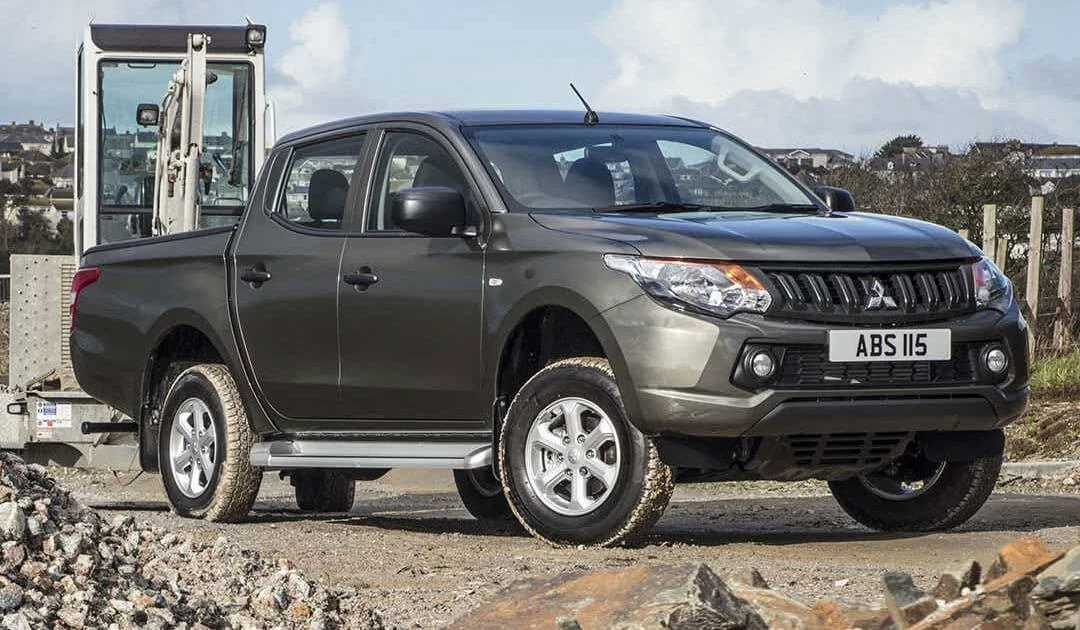
Tradie Finance Day 0 Submission Bundle (2026) | Switchboard finance
 Insights · Tradie
Tradie Finance "Day 0" Submission Bundle (2026): The Ute, Tools & Trailer Approval Pack That Avoids Follow-Up Requests
Financing a ute, tools and a trailer in one deal is totally doable — but most files slow down because the submission is “asset-first” instead of “story-first”. Day 0 means you send the full bundle once, in the right order, so the assessor doesn’t have to chase you.
This guide shows the combined submission sequence and the asset-specific documents that prevent re-quotes, deposit surprises, and “please provide…” follow-ups. Start with the Tradie Hub and keep your money-page path clear to Low Doc Asset Finance.
A clean Day 0 bundle starts with your trading story (entity + rhythm), then confirms each asset lane (ute, tools, trailer) with lender-friendly quotes and proof. If you skip the story layer or bundle “non-asset” lines into the quote, the consequence is almost always extra questions, reissued invoices, and deposit adjustments.
| Bundle part | What you submit on Day 0 | Most common follow-up trigger | Consequence if missing |
|---|---|---|---|
| Step 1: Trading story | ABN + entity details, and recent Bank Statements that show trading rhythm | “Can you prove turnover?” | Assessment pauses + file re-queues |
| Step 2: Ute lane | Dealer invoice (or private sale proof), VIN (if available), on-road costs separated | Mixed invoice lines | Re-quote request + delayed approval |
| Step 3: Tools lane | Itemised tool quote (model/brand/serial if possible), delivery timing, GST shown | “Bundle quote” | Deposit moves up or scope gets excluded |
| Step 4: Trailer lane | Trailer spec + compliance notes, invoice with tare/load clearly stated | No spec or rating detail | Valuation uncertainty + more questions |
| Step 5: Structure | Confirm if you want a single facility or split lanes (vehicle vs equipment) | One bundle “forced” | More conditions + slower settlement |
1) The Day 0 submission sequence (send it in this order)
The fastest tradie approvals happen when the assessor sees the whole picture immediately: trading story first, then each asset lane. With Low Doc, the “signal” matters more than the volume of documents.
If you send only invoices first, the consequence is follow-ups about trading rhythm and structure — and your file can fall back in the queue while you chase missing pieces.
- Start: ABN/entity + recent bank statements + a one-paragraph “what you do / why you’re upgrading” note
- Then: ute purchase docs (clean invoice lines; on-road separated)
- Then: tools quote itemised (no “package” line items)
- Then: trailer spec + rating details + invoice
- Finish: confirm whether the lender should treat it as one bundle or split lanes
A sparky submitted the ute invoice first, then added tools later. The lender restarted the review to assess the combined exposure. When they resubmitted as one Day 0 bundle (story → ute → tools → trailer), it moved without extra conditions.
2) Ute lane: what to include (and what to keep separate)
For the ute, your goal is simple: make the purchase clean to read and easy to value. If you’re unsure what “vehicle-only” documents look like, use the dedicated checklist post: Low Doc Vehicle Finance Documents Checklist (2025).
If the ute invoice bundles accessories, warranties, or services into one line, the consequence is re-quoting — because the lender can’t confidently value what’s truly “asset”.
- Include: a clean invoice (vehicle line item clear), VIN if available, on-road costs separated
- Avoid: “package” lines that hide accessories or services under one total
A plumber’s invoice had “ute + fit-out + labour” as a single bundle. The lender asked for a split invoice and settlement shifted. Once itemised, the ute lane cleared and the deal progressed.
3) Tools + trailer lane: the “quote rules” that stop deposit blowouts
Tools and trailers fail Day 0 bundles for one reason: the quote doesn’t read like a finance document. Itemisation is everything. If you’re bundling racks, power, and tools, the packaging logic lives in: Tradie Gear Pack (Tools, Racks & Power) (2025).
If you don’t itemise (or you mix soft costs into “equipment”), the consequence is usually a bigger deposit request or scope being excluded from valuation. Keep the “hard assets” clean and fund the rest via the right lane (often Equipment Finance for clear itemised gear).
- Tools Day 0: itemised quote (brand/model), GST shown, delivery date, supplier ABN
- Trailer Day 0: rating/spec clear (tare/load), compliance notes, invoice with trailer details
A carpenter tried to finance “tool package” with one line on the invoice. The lender treated it as low-visibility scope and asked for a higher contribution. After itemising the quote, the same lender accepted the tools lane without extra deposit pressure.
4) Follow-up triggers (and what happens if you ignore them)
Follow-ups aren’t random — they’re predictable. They happen when the lender can’t connect trading rhythm to repayments, or can’t confidently value what’s being financed. The fix is not “more documents”; it’s the right documents in the right order.
If you ignore these triggers, the consequence is slower approvals, re-quotes, and settlement dates slipping (which often forces you to rebook deliveries or miss pricing windows).
- Trigger: invoices first, story later → Result: the file pauses for proof questions
- Trigger: bundled “package” quotes → Result: reissued quotes and deposit shifts
- Trigger: unclear trailer spec/rating → Result: valuation uncertainty and more conditions
A concreter had a trailer invoice with no rating/spec details attached. The lender requested more info and the delivery date had to be pushed. When the trailer lane was resubmitted with proper spec details, it cleared quickly.
Tradies get faster outcomes when the lender sees the whole bundle once: story first, then ute, then tools, then trailer — with itemised quotes. If you submit “invoice-only” first, the consequence is follow-ups and re-queuing.
Keep your path clear: start at the Tradie Hub, run equipment clearly through Equipment Finance, and keep a direct money-page path to Low Doc Asset Finance. If timing is tight, a clean cashflow lane like Working Capital Loans can protect the build schedule.
FAQs
Five quick answers that stop the most common tradie Day 0 mistakes.
Yes — but the “win” is a clean submission order and itemised quotes. Bundles get delayed when invoices arrive without the trading story or when quotes are bundled as packages.
Missing trading rhythm and unclear scope. If the lender can’t see consistent inflows (or can’t value the assets cleanly), they’ll ask for more proof and the file slows.
Usually, yes. The cleaner the itemisation, the faster the assessment. “Package” lines are the quickest way to trigger re-quotes and deposit changes.
Clear trailer identification and key rating/spec detail. When the lender can’t confirm what it is (or what it can carry), it adds conditions and slows valuation.
It often triggers a reassessment of the total exposure. Best practice is Day 0 bundling, so the lender assesses the combined deal once and you avoid re-queuing.
Want more relevant pathways? Browse the hubs, then skim the latest posts below.
- Melbourne Airport Freight Owner-Driver Checklist (2026)
- Adding Drivers vs Adding Trucks (2026)
- Owner-Driver Bank Statement Patterns (Manual Review) (2026)
- Truck Finance Subcontractors: Own Authority Proof Pack (2026)
- Bankruptcy Sale Machinery Finance (2026)
- Private Sales, Auctions & Imports: Plant Approval Red Flags (2026)
- Catch-Up BAS + Late Lodgement Penalties (2026)
- The Split-Security Commercial Launch (2026)
Newest tradie guides
Newest in the Tradie Hub
Four fresh, lender-practical reads for tradies — designed to cut back-and-forth and keep approvals moving.
Geelong & Surf Coast Tradie + Civil Plant Finance Checklist (2026)
Local proof-pack checklist for utes, trailers and civil plant across Geelong and the Surf Coast.
Solo Tradie to First Employee (2026): The Finance Stack for a Second Vehicle, Tools Float & Wage Buffer
How to build a clean finance stack when headcount ramps and cashflow timing gets tight.
Tradie Finance Approval Timeline (2026): What Happens in the 48 Hours After You Submit
A practical timeline for ute, tools and trailer deals — what’s checked, when, and why it stalls.
Ute Fitout Valuation Haircuts (2026): What Lenders Discount and How to Structure the Quote
Why fitouts get “haircut” in valuation — and how to present inclusions so the number sticks.
