
Ute Fitout Valuation Haircuts (2026): Which Add-Ons Actually Count
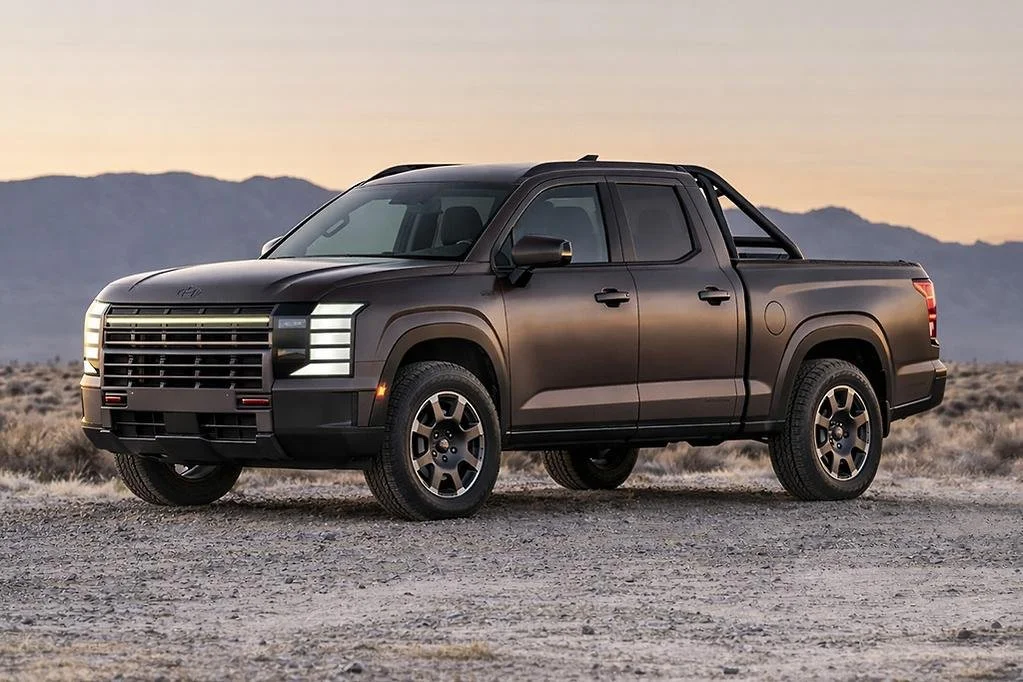
Ute fitout valuation haircuts for tradies upgrading work vehicles – Switchboard Finance
 Insights · Tradie
Ute Fitout Valuation Haircuts (2026): Which Add-Ons Actually Count — and Which Ones Trigger Bigger Deposits
Ute fitouts do not always value cleanly line-for-line. In 2026, tradies get caught when the quote mixes hard vehicle add-ons with install labour, consumables, signwriting, wiring, and other soft costs that a lender may not treat as full asset value.
This guide shows which add-ons usually help the deal, which ones can create valuation haircuts, and how to structure a cleaner low doc submission before the deposit blows out.
- Hub (non-negotiable): Tradie Hub
- Persona hero explainer (non-negotiable): Tradie Finance Australia: Loans, Tools & Ute Finance Made Simple
- Forced target (available in this chat): Low Doc Vehicle Finance for ABN Holders: 2025 Guide
- Winner seed #1: Low Doc Vehicle Finance: Balloon Strategy for 2025
- Winner seed #2: 0% Deposit vs 10% Deposit vs Trade-In: Which Structure Gets Cleaner Low Doc Vehicle Approvals? (2025)
- Sibling post (different intent): Ute Fitout Finance Approval Traps (2026)
- Sibling post (different intent): Ute Fitout Finance Quote Checklist (2026)
- Glossary (unique, no repeats): Vehicle Finance and LVR
Add-ons that are clearly attached to the ute and have resale or utility value usually count better. Soft costs, bundled install labour, generic consumables, design/admin lines, and poorly itemised extras are where valuation haircuts usually appear — and that is what pushes deposits up.
| Fitout line | Usually treated how | Why it matters | Deposit impact if messy |
|---|---|---|---|
| Canopy / fixed racks / drawer units | Often counts better | Tangible fitted gear with clear use case | Lower risk |
| Towbar / fixed towing hardware | Often counts if itemised properly | Common work-use upgrade, easier to evidence | Usually manageable |
| Signwriting / wraps / branding | Often haircut or excluded | Limited resale value to the lender | Deposit can rise |
| Install labour / wiring / misc consumables | Frequently haircut if bundled | Soft-cost style lines dilute asset value | Most common trigger |
1) What usually counts better in a ute fitout valuation
The cleanest fitout items are usually the ones a valuer can identify fast, match to the vehicle, and see as practical work-use improvements. Fixed canopies, shelving, drawer systems, racks, tow hardware, and certain inverter or onboard power components generally present better when they are clearly itemised and tied to the ute.
The consequence if you do not separate these lines is simple: a stronger asset stack gets diluted inside one messy bundled number, and the lender may size the deal more conservatively than expected.
- Fixed, attached components usually value cleaner than loose accessories.
- Clearly named items are easier to assess than generic “fitout package” labels.
- Practical trade-use gear generally lands better than cosmetic upgrades.
A plumber’s quote separated the canopy, internal shelving, ladder rack and tow package into individual lines. That made the core asset value easier to defend. The same deal quoted as one “full fitout package” would have made the lender treat more of the spend as uncertain.
2) Which lines trigger valuation haircuts first
Haircuts usually show up when the quote contains lines that help you operate the ute but do not hold the same recoverable value for the lender. Signwriting, admin charges, install labour, freight, wiring time, sealants, brackets, one-off fabrication notes, and “miscellaneous” lines are common friction points.
If you leave those lines blended into the core vehicle upgrade, the consequence is a lower effective lend against the usable asset base — which means a higher deposit, a smaller financeable amount, or both.
- Branding costs are common haircut items because they are business-specific.
- Labour-heavy line items can weaken the asset-to-cost ratio.
- Catch-all bundled wording makes it harder for a lender to separate hard asset value from soft cost.
| Common line item | Why lenders get cautious | Cleaner way to present it | Consequence if you don’t |
|---|---|---|---|
| “Full fitout package” | No separation between hard assets and soft cost | Split each component into named asset lines | Higher haircut risk |
| Signwriting / wraps | Low resale recovery value | Keep separate from fitted hardware | Deposit uplift |
| Install labour / wiring | Useful to you, but not always equal to asset value | Show as separate support cost, not core asset | Lower assessed lend |
| Freight / admin / misc | Soft-cost style charges | Keep cleanly disclosed, not buried in main line | Manual review slows down |
An electrical contractor had a fitout quote where branding, install time and “shop supplies” were blended into the canopy and shelving number. Once separated, the financeable base was clearer. If left bundled, the deal likely would have needed a bigger upfront contribution.
3) Why haircuts turn into bigger deposits
Deposits rise when the lender sees a gap between total invoice cost and the value they are comfortable treating as lendable. That gap can come from soft costs, weak quote structure, or a fitout that is too custom, too cosmetic, or too poorly described.
In plain English: if the asset value shrinks in the lender’s view, your effective LVR tightens. The consequence is you either add cash, trim the scope, or restructure the deal.
- More soft-cost lines = less clean lendable value.
- More custom one-off work = more cautious treatment.
- More ambiguity = slower approval and tighter structure.
A landscaping operator expected a no-deposit structure on a new ute plus fitout. The vehicle was fine, but several fitout lines were treated conservatively. The result was not a decline — it was a deposit gap that had to be covered before the deal could proceed.
4) How to make the fitout structure cleaner before you apply
A cleaner structure does not mean hiding costs. It means separating the hard asset items from the softer lines so the lender can assess the deal properly. The goal is to preserve as much clean lendable value as possible inside the vehicle package while making the non-asset items obvious, not confusing.
If you skip this step, the consequence is more back-and-forth, more rework, and a higher chance the lender asks for cash where you thought the full amount would be financed.
- Itemise fitted hardware separately from labour and miscellaneous costs.
- Keep cosmetic / branding lines separate from functional fitted gear.
- Lock scope before submission so the quote does not drift mid-assessment.
A building maintenance operator split the deal into clear hardware lines plus separate install and signage lines before sending it in. That reduced follow-up questions. If the quote had stayed vague, the lender would have had less confidence in the asset mix and more reason to haircut the total.
Ute fitout issues usually start when real hardware and soft-cost lines are bundled together. Fixed functional upgrades usually count better. Signwriting, labour-heavy lines, miscellaneous charges and vague package wording are where valuation haircuts show up first.
If you want a cleaner Vehicle Finance outcome, separate the hard asset lines, keep the soft costs visible, and start in the Tradie Hub. Then use the Low Doc Vehicle Finance Guide before you submit.
FAQs
Fast answers for tradies financing a ute plus fitted work gear.
Use the hubs to navigate, then catch up on the latest posts below.
- Western Melbourne Freight Corridor Truck Finance (2026): Laverton–Truganina Owner-Driver Checklist + Local Proof Pack
- What Lenders Won’t Finance in a Truck Upgrade (2026): 12 “Soft Cost” Lines That Trigger Deposits + The Clean Split Plan
- Truck Finance "Day 0" Submission Bundle (2026): The 11 Files That Get Conditional Approval Without a Single Follow-Up
- Truck Valuation Disputes (2026): 9 Reasons the Valuer Comes In Low — and the Pre-Buy Fixes
- Clinic Finance Conditional Approval (2026): What "Approved Subject to Conditions" Actually Means — The 48-Hour to Day 7 Clearance Checklist for Equipment & Fitout Deals
- Adding a Practitioner Mid-Quarter (2026): How to Use LOC vs Working Capital vs Invoice Finance When New Billing Lags Behind New Payroll by 30–60 Days
- South East Melbourne & Mornington Peninsula Clinic Finance (2026): GP, Dental & Allied Health in Frankston, Berwick & Dandenong — The Local Proof Pack for Fast Low Doc Approvals
- Doctor Car Finance When You Pay Yourself in Drawings: The Clean “Serviceability Pack” (2026)
Newest tradie & site-ready guides
Newest in the Tradie Finance Hub
Four fresh, lender-practical reads covering van fitouts, service-van approvals, regional tradie submissions and site-setup funding.
Factory-Fit vs Aftermarket Van Fitout Finance (2026)
Which quote lines count cleanly, which get haircut, and which push the deposit higher.
Ballarat & Western Victoria Tradie + Civil Finance Checklist (2026)
A local proof-pack checklist for tradies and civil operators across Ballarat and Western Victoria.
Traffic Management & Site-Setup Finance (2026)
What civil contractors can bundle, what needs a pre-start buffer, and where ABN age caps the stack.
Tradie Service-Van Eligibility Scorecard (2026)
A cleaner way to assess service-van readiness before you submit.
