
Truck Bodies, Trailers & Extras: How to Finance the Whole Combo Without Killing Cashflow
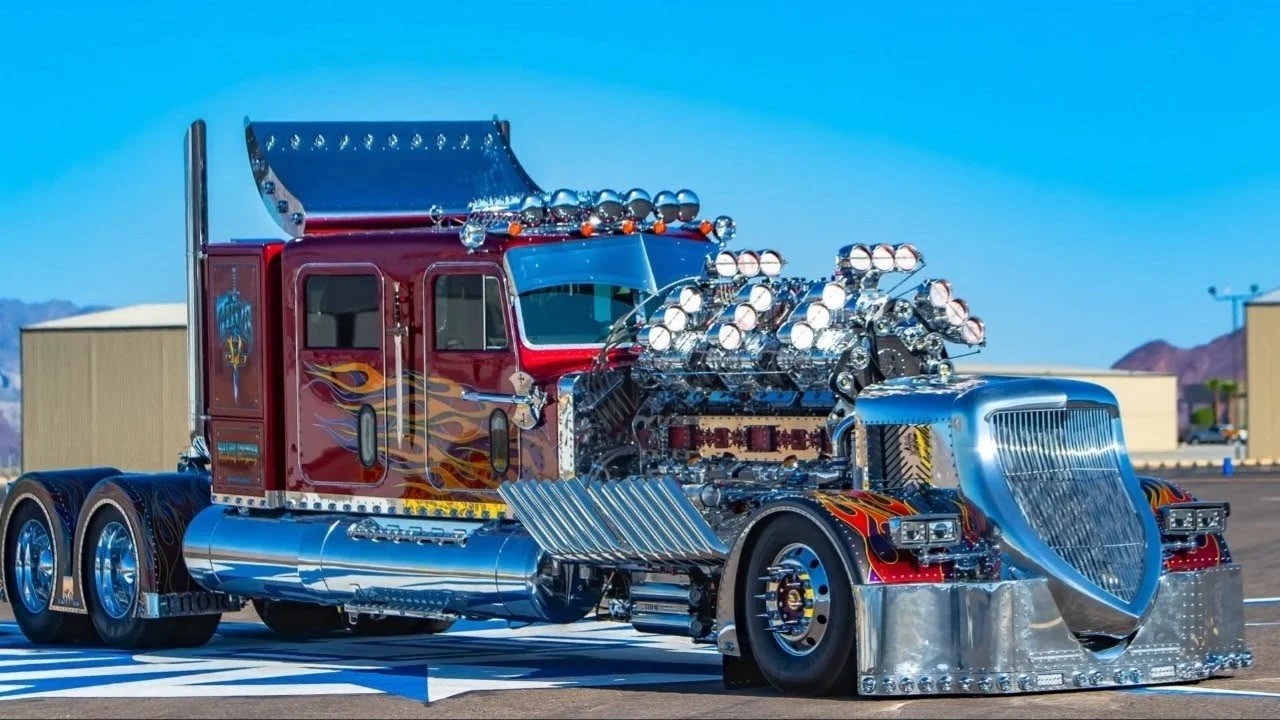
Truck body, trailer and fitout finance options for owner drivers – Switchboard Finance
 Truckie Finance · Switchboard
Most truckies don’t just buy “a truck”. They need the right body, maybe a dog trailer, plus toolboxes, hydraulics and other gear to actually earn money.
If you throw it all together the wrong way, the lender can get confused, the deal drags, and cashflow gets messy. Here’s a simple way to think about the whole combo – truck, body and extras – so the finance stays clean.
1. Break the rig into simple pieces first
Before we talk lenders, it helps to split your setup into clear parts. That way everyone can see what’s the main Heavy Vehicle and what’s bolted on or towed behind.
This is exactly how lenders think when they look at your Asset Type and what it’s used for.
Here’s a simple way to map your gear:
| Piece | Examples | How lenders often see it |
|---|---|---|
| Main truck | Prime mover, rigid, tipper | The core asset, usually funded as Vehicle Finance or general Equipment Finance. |
| Body / fit-out | Tipper body, fridge body, curtain-sider, tanker | Seen as a Truck Body Fit-Out that can sometimes be wrapped into the main deal or split out. |
| Trailer | Dog trailer, semi, skel, dolly | Often treated as its own piece of gear in an extra facility. |
| Extras | Toolboxes, hydraulics, PTO, GPS, racks | Smaller items that may be bundled into the price or funded as separate Tools & Equipment. |
Once the combo is clear on paper, it’s much easier for us to line it up with low doc Asset Finance and your longer-term fleet plan inside the Truckie Hub.
2. Choose a structure that matches how you actually work
Some truckies like everything in one neat deal. Others want the freedom to upgrade the truck and keep the trailer, or swap bodies as contracts change.
The way we structure the finance can either give you that flexibility or lock everything together.
Here’s a simple comparison to show what’s possible:
| Structure | What it looks like | When it can work well |
|---|---|---|
| All-in-one facility | Truck + body + extras financed together as one Facility. | Great if the combo moves together and you plan to upgrade the lot at roughly the same time. |
| Truck and trailer split | Prime mover on one deal, trailer on another. | Handy if you might keep the trailer across more than one truck or run it in different configurations. |
| Fit-out and extras separate | Body / fit-out and gear financed like Fit-Out Finance or equipment. | Useful when the body or extras have different Useful Life to the truck itself. |
- One deal: simpler on paper, but upgrades are more “all or nothing”.
- Split deals: slightly more moving parts, but more control when you want to change something later.
- Fleet view: we always tie this back to your fleet plan in What Is Fleet Finance?.
3. Keep cashflow and paperwork clean when you bundle gear
The whole point of bolting on bodies, trailers and extras is to make more money – not to drown in repayments and paperwork.
We look at your work and map repayments against a simple Cash Flow Forecast, then fit the truck-and-trailer plan into your broader Business Loans strategy.
That includes cashflow tools like Business Line of Credit or Invoice Finance so you’re not trying to jam every expense into the truck loan itself.
| Area | Quick question | What we look at |
|---|---|---|
| Cashflow | Can I cover repayments in quiet weeks? | We balance combo repayments with fuel, tyres, On-Road Costs and BAS money. |
| Security & checks | Is the gear clean and easy to secure? | We make sure invoices match what’s on the truck, and that PPSR Check and rego all line up. |
| Future upgrades | Will this deal make the next upgrade easier? | We line it up with your Multiple Vehicle Loans & Cashflow plan so today’s combo doesn’t block tomorrow’s rigs. |
If you already have a few loans scattered across different trucks and trailers, we can also look at a tidy-up with your Fleet Refinance & Restructure options so everything starts working like one clean system again.
From there, you’ve got a clearer picture when you talk to your accountant about things like Depreciation Schedule and Tax Deduction rules – we keep the finance tidy, they handle the tax.
Can I finance the truck and trailer together in one deal?
Often yes, especially when the combo moves as one unit. The key is making sure the Term Loan fits the working life of both the truck and the trailer so you are not stuck paying off tired gear.
Is it better to split the trailer into its own facility?
It can be. If you plan to keep the trailer longer, or use it behind different trucks, a separate facility gives you more flexibility and can make future upgrades cleaner from a Security point of view.
Can I add toolboxes, hydraulics and other extras to the truck loan?
Sometimes those extras can be bundled into the main finance, other times they’re better treated as separate Plant & Equipment. It depends on value, type of gear and how long you’ll use it.
What checks do lenders do on used trailers and bodies?
They want to see clear invoices, registration that matches the asset, and a clean PPSR record so no one else has a claim on it. For heavy vehicle rules and safety, you can also look at the National Heavy Vehicle Regulator at nhvr.gov.au.
How does this fit into my bigger fleet and cashflow plan?
We tie any truck, body and trailer finance back into your wider fleet and cashflow setup – using guides like your Truckie Cashflow System and the broader Business Cashflow System so everything works as one plan.