
Truck & Farm Transport Cashflow Map 2025: Use LOC, WCL & Invoice Finance Around Grain & Livestock Seasons
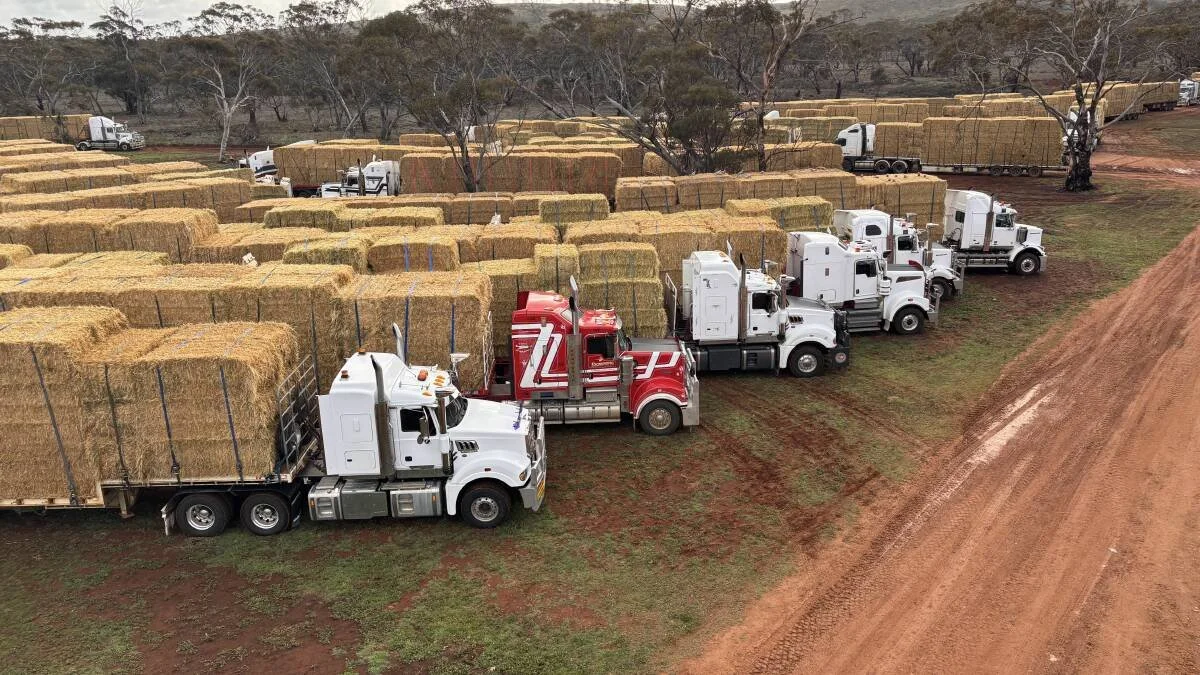
Cashflow map for truckies and farm transport operators – Switchboard Finance

One month you’re flat out on harvest and yard work, the next month the trucks are quiet but repayments, rego and tyres still want paying. That “rich then tight” feeling is just a timing problem.
This simple map shows you how to line up your Cashflow with grain and livestock seasons, using three tools – LOC, Working Capital Loans and Invoice Finance – instead of hoping the bank balance behaves.
Step 1: Sketch your 12-month grain & livestock calendar
Start by mapping when work and costs actually land across the year – not just when bills show up. Keep it rough and honest: busy weeks, quiet weeks, and when big lumps usually hit.
Here’s a simple example for a southern states grain & livestock operator running two trucks and a stock crate.
| Period | Grain Work | Livestock Work | Other Big Costs |
|---|---|---|---|
| Jan–Feb | Light clean-up carting | Some yard & sale runs | Insurance, rego renewals |
| Mar–May | Fertiliser & inputs | Store lamb / cattle moves | Tyres, servicing blocks |
| Jun–Aug | Quieter grain work | Feedlot & processor runs | Roadworthy / repairs |
| Sep–Dec | Main harvest & bulk haul | Saleyard peak periods | Extra fuel & overtime |
Step 2: Match each spike to the right funding tool
Once the seasons are on paper, you can decide which pressure belongs on your normal trading account – and which should sit on a small Business Line of Credit, a short Working Capital Loan or a simple Invoice Finance facility.
You’re not trying to borrow more – you’re putting structure around what you already spend so busy and quiet months feel more even.
| Season | Main Pressure | Tool | Job |
|---|---|---|---|
| Harvest (Sep–Dec) | Fuel, casual drivers, breakdowns | LOC | Cover short, sharp spikes then repay after invoices land. |
| Winter repairs (Jun–Aug) | Engine, gearbox, major tyres | Working Capital Loan | Spread big repair bills over 6–18 months. |
| Slow payers (year round) | Invoices on 30–60+ day terms | Invoice Finance | Turn completed jobs into cash inside 1–2 days. |
Step 3: Run a 3-bucket system for weekly, seasonal & tax money
With the seasons and tools clear, you can split your truck money into three simple buckets: weekly running, seasonal spikes and tax/BAS – each with its own target and product behind it.
The point isn’t perfection – it’s having rough “rails” so you know which bucket is allowed to stretch and which one is off-limits.
Your weekly bucket stays on the trading account. Seasonal jobs lean on a small LOC and WCL. Tax and BAS can sit in their own savings pot or a carefully sized facility with a clear Credit Limit that you don’t push past.
How this cashflow map fits with your trucks & loans
This map sits alongside how you finance the trucks themselves. Your structure for repayments and balloons lives in guides like our staggered fleet replacement plan, farm haulage upgrade ladder and the fleet explainer What Is Fleet Finance?.
The cashflow map shows how to feed those loans safely through the year using LOC, Working Capital Loans and Invoice Finance. You can walk through each tool in our Business Line of Credit guide, Working Capital Loans explainer, Invoice Finance 101, and then see the full stack in the Business Cashflow System, the Truckie Cashflow System and hubs like our Business Loans, Truckie Hub and Business Owners Finance Hub.
