
Truck Replacement Cycle 2025: How to Time Your Next Rig & Balloon So You’re Not Stuck Upside Down
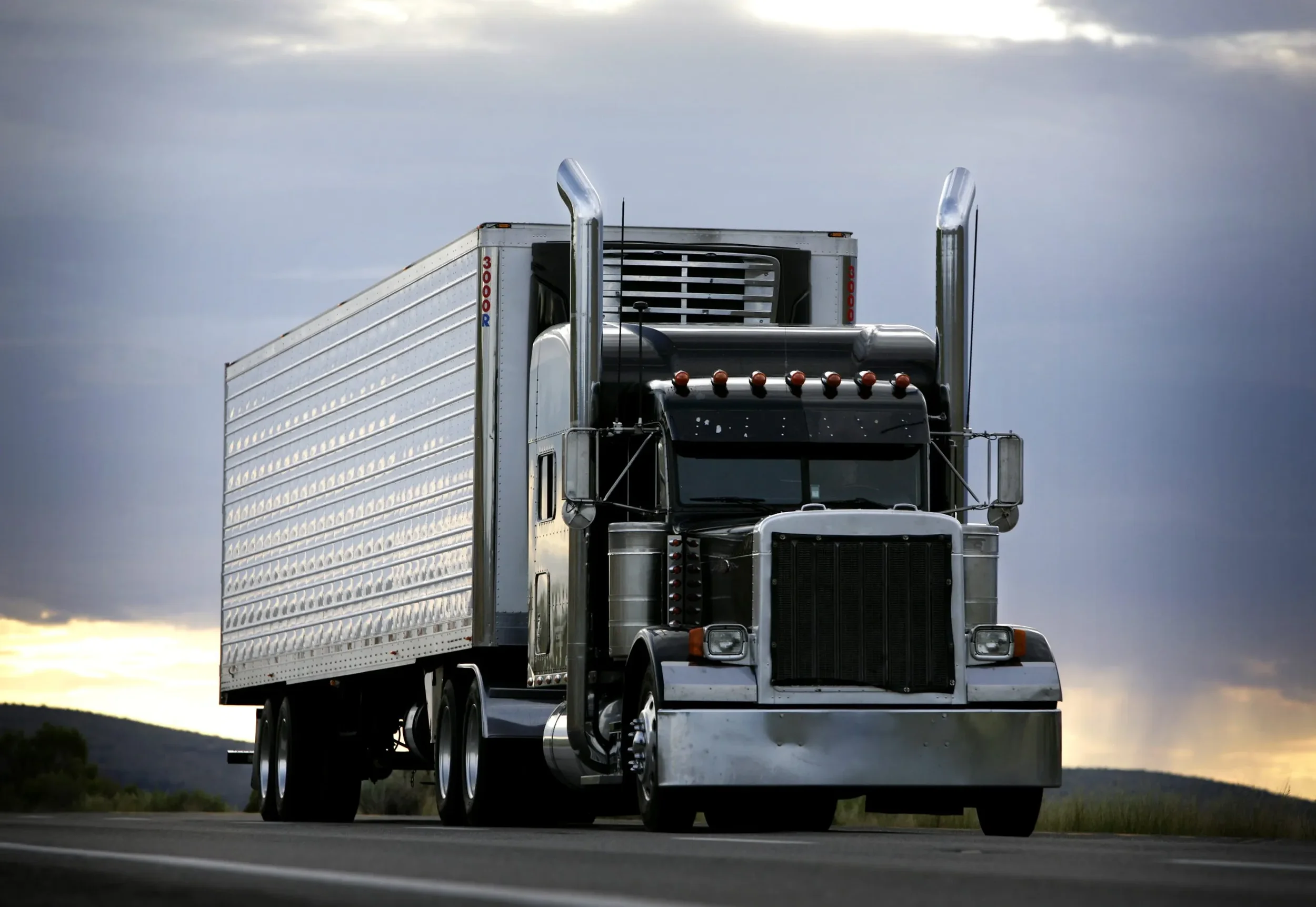
Truck replacement cycle and balloon payment strategy for owner drivers – Switchboard Finance
 Truckie Finance · Switchboard
Most truckies only think about the next rig once the current one is tired, leaking money on repairs and off the road too much.
This is a simple plan so you know roughly when to swap trucks and how to set the balloon, so you’re not left owing more than the truck is worth when it’s time to upgrade.
1. Quick idea: plan the next rig while this one is still making money
If you wait until the truck is on its last legs, you’re usually dealing with three dramas at once – breakdowns, lost income and a rushed finance deal.
Instead, think of your main prime mover or rigid as a business tool sitting inside an Asset Finance plan, not just “a truck with a loan on it”.
The goal is simple: run it hard, then swap it clean into the next unit before repairs and downtime chew your profit.
| Where you’re at | Rough truck age / kms | What to start planning |
|---|---|---|
| New or near-new truck | 0–3 years, building up contracts | Lock in service history, keep clean books, get a feel for your ideal term and work type. |
| Middle of the run | 3–5 years, kms climbing | Chat about next rig options, check likely trade value, think about your next balloon and term. |
| Late in the cycle | 5+ years or big kms, more time in the workshop | Line up the replacement, check lender appetite, make sure your existing deal won’t trap you in negative equity. |
For some operators, this lines up with a 4–5 year plan. Others want a shorter run then flip the truck early. The point is having a rough “use it, then swap it” timeline instead of waiting for the gearbox to explode.
2. Balloon basics: don’t let the loan outrun the truck
The balloon is just the chunk you push to the end of a Vehicle Finance deal so your monthly repayments stay lower.
Balloon can be handy – but if you set it too high and run the truck too long, you can end up owing more than the rig is worth when you go to trade.
| Scenario | What you want | Simple balloon idea |
|---|---|---|
| Owner-driver, one main truck | Solid cash flow, clean swap in 4–5 years | Pick a balloon that lines up with realistic resale value at the end of term, not the highest number the lender will allow. |
| Growing into small fleet | Add trucks without smashing monthly repayments | Use balloons and terms that keep each truck “saleable” when you’ll likely swap it – not just at the absolute max term on the lender matrix. |
| Tight on cash now | Lower repayments today, but avoid a nasty surprise later | Shorten the term a bit, keep the balloon realistic, and have a plan for how you’ll clear or roll it when the time comes. |
This is where a simple chat about Balloon Payment structure matters more than the sticker rate. A slightly smaller balloon on paper can save a big headache when you’re actually at the dealer trying to swap the truck.
3. Lining up the truck, balloon and fleet plan
If you know you’ll eventually run two or three units, you want each loan to play nicely with your overall plan – not have random terms all ending at weird times.
That’s where we plug your main rig and any second truck into a simple fleet approval and structure plan, instead of treating each loan as a one-off.
Simple “no-stress swap” checklist
- Your main truck is still a reliable heavy vehicle, not falling apart.
- The expected trade value roughly matches what’ll be left on the balloon.
- Your cashflow can comfortably handle the next repayment based on your usual work.
- You’ve looked at how this fits into future fleet plans – not just this one deal.
For operators already running a couple of trucks, we’ll also look at how your multiple loans are hitting cash flow and whether a tidy-up or refinance will make the next upgrade easier.
4. How Switchboard plugs it together for truckies
You don’t have to know every lender policy or where each bank sits on terms and balloons – that’s our job.
We look at your work, ABN age and contracts, then map out a simple path using low doc asset finance for the trucks and a clean fleet structure behind it.
From there we line it up with your goals – whether that’s staying a sharp owner-driver with one prime mover, or building out a small fleet with proper fleet refinance and restructure over time.
When you’re ready, we can also plug in smart cashflow tools from the Business Loans side – like a Business Line of Credit – so fuel, tyres and repairs don’t smash your day-to-day cash.
How often should I replace my main truck as an owner-driver?
There’s no magic number, but many operators line up their replacement around the end of the planned useful life for their work – often somewhere in the 4–6 year window depending on kms, loads and how hard the truck is worked. The key is planning the swap while the rig is still saleable, not when it’s already worn out.
What’s the difference between resale price and residual value?
Resale price is what the market will pay for the rig on the day. Residual value is the number used in the finance deal – like a balloon or residual – to estimate what the truck will be worth at the end of term. We want those two numbers to be as close as possible so you’re not short when you trade.
How does truck depreciation work for tax?
Your accountant will choose a method from the ATO rules to claim depreciation on the truck and any fit-out. That’s separate to how the lender sees the asset, but both matter. You can read the ATO’s general guidance at ato.gov.au and then we’ll make sure the finance term lines up with how long you actually plan to run the rig.
What if my truck is written off and the payout doesn’t clear the loan?
In a write-off, the insurer pays a figure that’s meant to match the value of the truck. If that’s less than your remaining payout figure, you can be left with a shortfall. That’s why structure, balloon size and insurance choices all matter up front – and why some operators keep a small buffer or line of credit in reserve.
How do I plan truck upgrades around my cashflow?
We start with your work and a basic cash flow forecast – what comes in, what goes out, and how often. Then we shape the term, balloon and any support facilities around that, so your next truck doesn’t blow up fuel, tyres, rego or BAS money.
