
Used Machinery Finance for Manufacturing (2025): Auctions, Imports, Deposits & Risk Checks
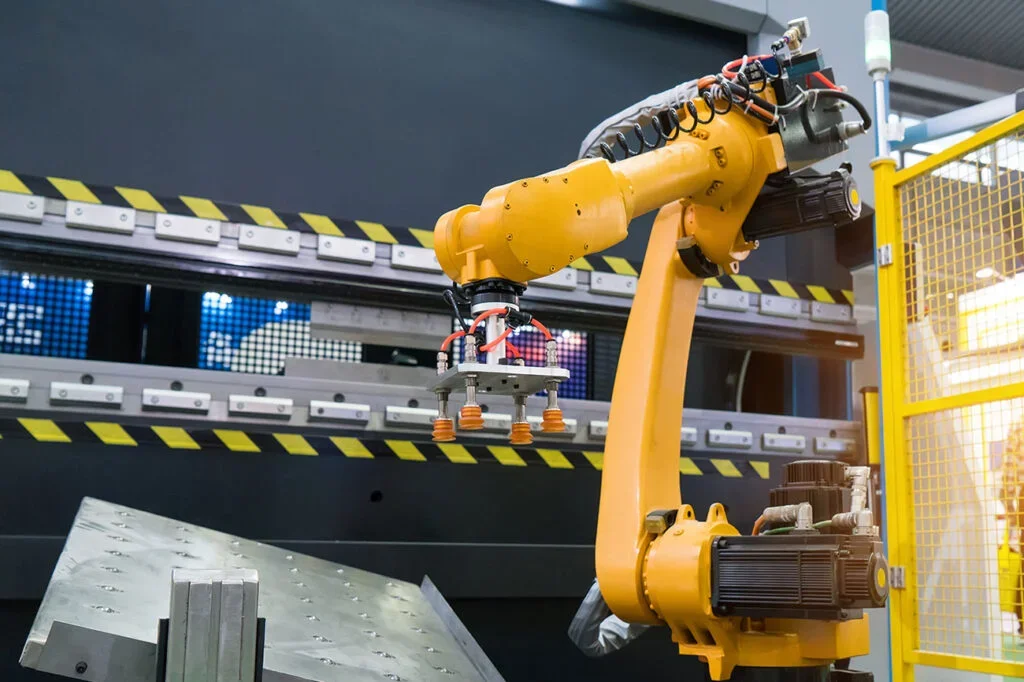
Used machinery finance for manufacturing for auctions and imports – Switchboard Finance
 🏭 Manufacturing · Used machinery · Risk checks
Used machinery can be a fast capacity play — but lenders want the deal to be “clean” (proof of purchase, clear seller, and no nasty surprises). This is how Asset Finance typically looks when the asset is used.
For the broader manufacturing upgrade map, start here: Pre-Approved Manufacturing Upgrades: Line Up Asset Finance (2025 Guide). If you want the “big picture” first, this is also worth a skim: 11 Signs Your Business Is Ready for Asset Finance in 2025.
1) Auctions & deposits: win the machine without losing control
Auctions move fast. The usual pain isn’t the auction itself — it’s the deposit + settlement window and whether the paperwork is clean enough for funding to move.
Used assets also make deposit expectations more real. Your deposit can directly affect the LVR (loan-to-value ratio), which is why “I’ll sort it after I win” is where deals stall.
Keep the auction plan boring (that’s the point)
2) Imports & timing: protect cashflow while the machine “isn’t earning yet”
Imported used machinery adds timeline risk: freight delays, storage, install, commissioning, and the gap before the asset produces revenue.
If you want repayment certainty during commissioning weeks, ask about a Fixed Rate option so you’re not guessing what the monthly number will be while production ramps.
Import timeline: 3 checkpoints
3) Risk checks: do the 2-minute checks before you commit
Used machinery approvals are mostly about reducing unknowns: seller legitimacy, clear title, and comfort the asset is real and identifiable.
A quick sanity check is a PPSR search on the official register: ppsr.gov.au. It’s a simple step that can save you from paying for an asset that has a claim attached.
Fast risk-check framework
Used machinery can be a smart upgrade — but you win by (1) planning the deposit, (2) keeping purchase evidence clean, and (3) doing quick risk checks before you’re committed. Example: budgeting “landed + installed” avoids a commissioning cash squeeze.
Next best steps: Equipment Finance · Low Doc Asset Finance · Business Owners Finance Hub · Equipment Finance Application Mistakes.
FAQ
Often, yes — a Chattel Mortgage can work well for used machinery when the asset is identifiable and the purchase evidence is clean.
It can be — Hire Purchase may suit some buyers who want a simple ownership path and predictable repayments, provided the deal documents stack up.
A Finance Lease can suit situations where you want flexibility around upgrade timing, without tying up as much cash on day one.
Potentially — a Balloon Payment can reduce monthly repayments, but it must be set conservatively so it still makes sense for a used asset.
The “end value” still matters — Residual Value assumptions tend to be more conservative for used machinery, which is often what keeps approvals smooth.
