
Tooling & Dies Finance for Manufacturers (2025): Moulds, Jigs, Fixtures & Tooling Packages
Tooling & dies finance for manufacturers – Switchboard Finance
 🏭 Manufacturing guide · Tooling, dies & packages
Tooling spend is often the make-or-break part of a production upgrade — it’s usually a real investment, but it doesn’t always behave like an “easy resale” asset. This guide shows how Asset Finance is commonly structured for tooling-heavy upgrades in Australian manufacturing.
The goal is simple: fund the right CAPEX without draining working cash, while keeping the structure matched to how your factory actually gets paid. If you’re mapping broader upgrades across plant, vehicles and fit-outs, start at the Business Owners Finance Hub.
What counts as tooling & dies (and why funding is different)
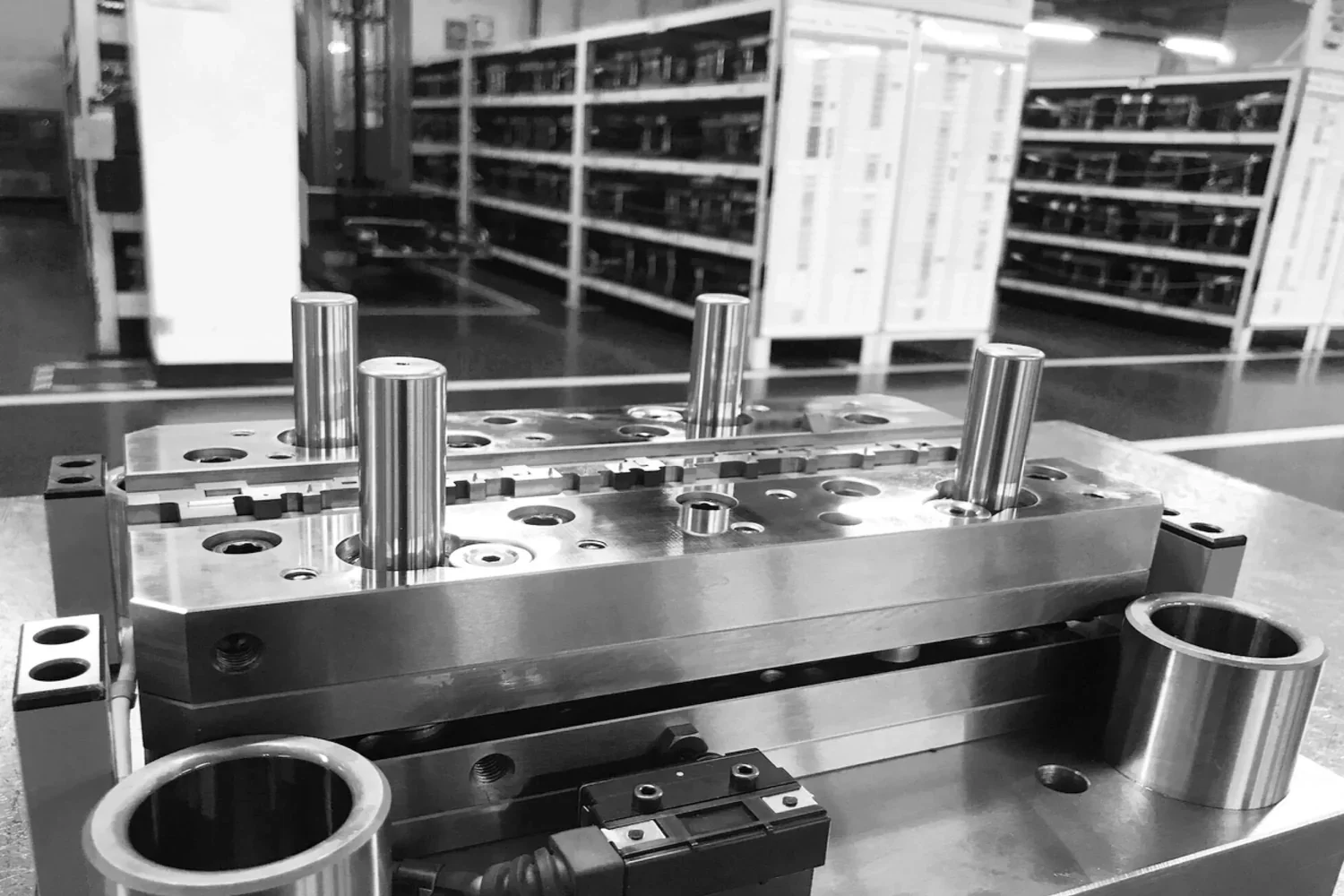
“Tooling” can cover moulds, dies, jigs, fixtures, cutting sets and bundled tooling packages — and it often sits inside a wider Plant & Equipment upgrade plan. The funding challenge is that some tooling is highly customised to your product, not a generic asset the market wants.
Lenders typically want to understand the Asset Type and whether it has a clear market value outside your factory. That matters because custom tooling can be harder to remarket than a standard machine — which can change how the deal is assessed.
The other lever is useful life: if the tool’s working life is short or tied to a single contract, approvals often rely on tighter structure and stronger supporting evidence. That’s where aligning the asset’s Useful Life to the finance term becomes important.
- Common “tooling upgrades”: injection moulds, press dies, jigs/fixtures, stamping tooling, cutting tool sets, calibration rigs.
- Bundled packages: tooling + stands + safety guarding + installation as one scoped project.
- Where it gets tricky: one-off tooling tied to a single product or customer with limited resale appeal.
Tooling funding fit-check (fast, practical)
What lenders look at for tooling packages (and what slows approvals)
Tooling approvals are usually evidence-led. A clean quote with scope, build timeline and delivery terms is often the starting point — and where the paperwork is unclear, the deal slows down. If your supplier can issue a clear Dealer Invoice (or invoice-style confirmation), it typically reduces back-and-forth.
Because some tooling is custom, lenders also lean on security checks and ownership clarity — especially where tooling is being manufactured offsite or imported. A PPSR search/registration is one of the ways lenders manage “who owns what” risk on funded assets.
The practical question is usually “how much comfort do we have in value and control?”, which is why the deal may be constrained by an LVR cap if the asset is specialised. You don’t need perfection — you need clarity.
- Clean evidence pack: quote, scope, timeline, supplier details, and basic photos or drawings where available.
- Payment mechanics: deposit/milestone schedule if the tool is built over multiple stages.
- Operational clarity: where it will be used, what it produces, and why it’s needed now.
Three “slow-down” triggers to avoid
Choosing a structure that matches production cycles
Tooling is usually funded in a way that keeps monthly commitments sensible while the asset starts paying for itself through output. The best structure is the one that matches how you collect revenue (steady orders vs lumpy contracts) — not the one that “sounds standard”.
A common way to keep monthly repayments lower is to use an end-of-term lump-sum, but that only works if you’ve planned your replacement cycle and cash position. Where the tool will be refreshed regularly, a planned exit is often cleaner than pretending it will be kept forever.
The mistake we see is choosing a term that outlasts the asset’s productive window. Match the repayment window to the job the tooling actually does — and keep the deal flexible enough for change. The simplest anchor is a realistic Term Length that fits your production reality.
- Chattel Mortgage: common where you want clear ownership and straightforward repayments.
- Finance Lease: often used where structure flexibility matters and you prefer a lease-style setup.
- Operating Lease: can suit situations where usage focus matters more than long-term ownership.
- Balloon Payment: a way to reduce monthly repayments by leaving a lump sum at the end.
- Residual Value: the planned end value that helps shape repayments and exit options.
Repayment design framework (simple, not “finance speak”)
Fast approvals without full financials (what to prepare)
If you’re pushing for speed, you need to send the “decision pack” in one hit. That’s the difference between a smooth approval and a week of follow-up emails. If you want a readiness check before you apply, read: 11 signs your business is ready to fund a new asset.
For streamlined applications, most lenders will still want identity and trading evidence — but you can often avoid the full doc burden if you position it correctly. The most common pathway is a Low Doc style assessment supported by clear trading signals and a clean asset scope.
This is where strong prep matters: you’re trying to satisfy the lender’s decision rules without turning it into a paperwork project. The cleanest “why this will get through” story is: clear asset + clear trading + clear structure.
- Identity + entity: ABN details and up-to-date business registration info.
- Trading evidence: Bank Statements that reflect real income cycles (not cherry-picked weeks).
- Tax rhythm: recent BAS if available, especially where turnover is seasonal.
- Decision logic: a short note explaining the lender’s Cash Flow Assessment story in plain English.
- Speed lever: confirm the required Approval Criteria before you submit anything.
3-step “fast path” from quote to funded
Tooling funding is less about buzzwords and more about clarity: what the tooling is, how it supports output, and a structure that matches production cycles. If you’re comparing broader manufacturing upgrade options, see Manufacturing equipment funding in Melbourne and the common mistakes in equipment finance applications.
Direct paths: Low Doc Asset Finance · Equipment Finance · Working Capital (definitions) · ATO depreciation rules.
FAQ
Often, yes — especially where the tooling can be clearly identified and controlled as part of the agreement. The key is understanding how the Secured Loan is documented for specialised assets, and what evidence supports value.
This is where you plan the exit before you sign. The cost and process can depend on the structure and timing, so it’s worth understanding Early Termination mechanics and what options exist if circumstances change.
Potentially — but it depends on the asset, remaining term, and how the original deal was structured. If the tooling is stable and you want to optimise repayments, Asset Refinance can be a pathway to restructure once the business is in a stronger position.
It can — especially depending on whether you’re claiming credits and how the invoice is issued. It’s worth clarifying GST treatment upfront so the funded amount and your out-of-pocket cash contribution are both clear.
Missing or unclear invoicing details are a big one — especially for staged builds or bundled packages. A clean Tax Invoice (or invoice-style confirmation with clear scope) tends to reduce delays.
