
Used vs New Medical Equipment Finance (2025): The Approval Risk Checks Most Clinics Miss
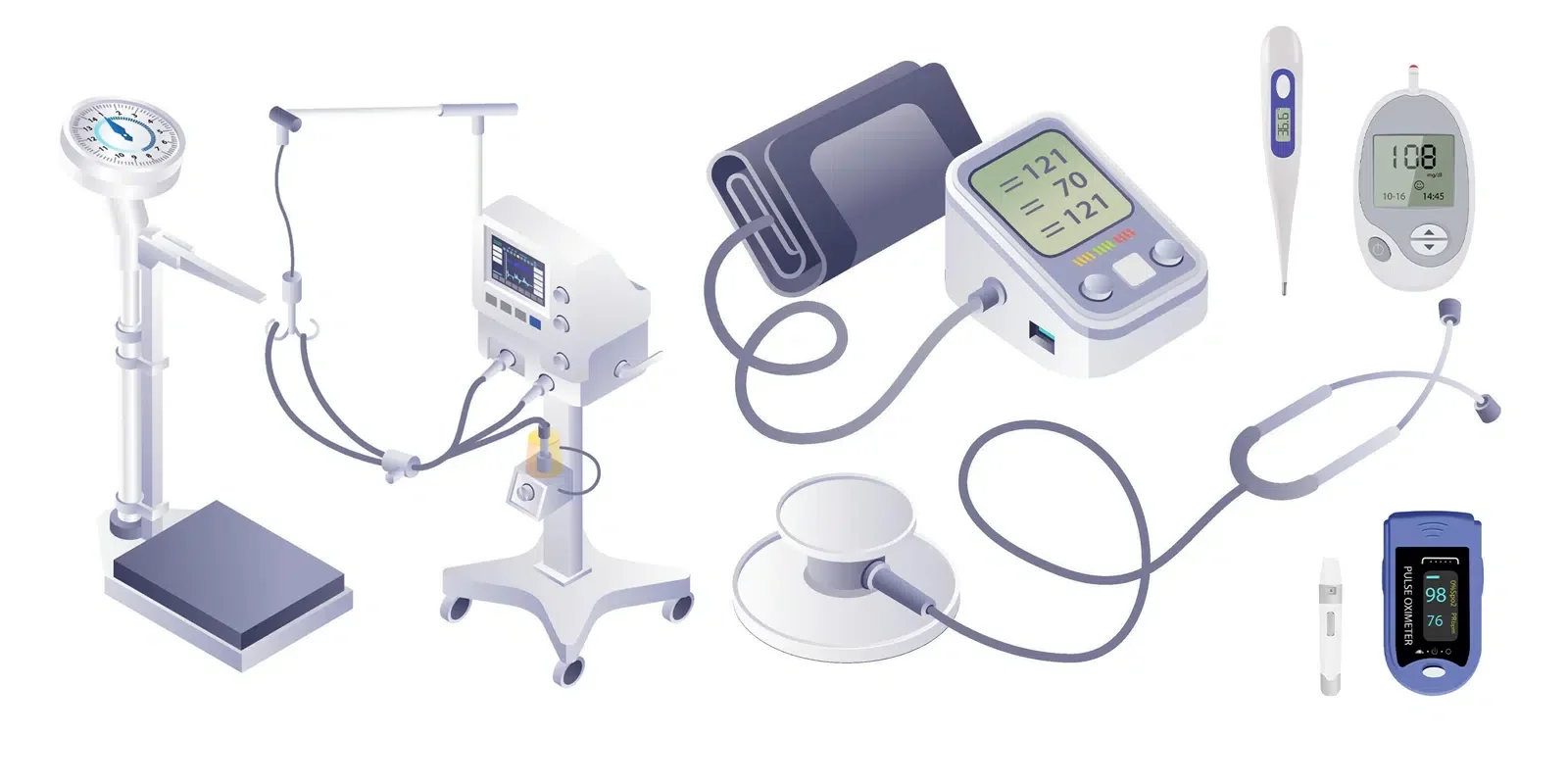
Used and new medical equipment | Switchboard Finance
 🩺 Clinics · used vs new · Whitecoat Hub · 2025
Used equipment can be cheaper upfront — but approvals fail when the “proof” isn’t clean (paper trail, valuation confidence, seller clarity, settlement steps). This page shows the exact checks to run before you pay a deposit.
Key terms (quick definitions): Asset Finance · Chattel Mortgage · Finance Lease · Operating Lease · Residual Value · Balloon Payment
If you want the Whitecoat overview first, start with Medical Professionals & Asset Finance, then compare structures in Medical Equipment Finance vs Leasing.
- You’re choosing used to preserve cash (but want a clean, predictable approval).
- The seller is a dealer/reseller or private seller (so proof quality matters).
- You want settlement to land on time (no “we’re waiting on documents”).
Used vs new: the 4 checks that decide “yes/no”
New purchases usually win because the evidence is tidy (invoice, identity, delivery steps). Used purchases fail when there’s a proof gap and the lender can’t get comfortable quickly.
Aim: make a used unit look “as documentable as new” before you apply — then the rate conversation becomes secondary to speed and certainty.
| Risk check | Why used deals stall | What to prepare (before applying) |
|---|---|---|
| Paper trail | Docs don’t match the buyer entity or look incomplete. | Get a clear tax invoice / sale agreement that matches the purchasing entity. |
| Valuation confidence | Price is hard to validate or looks “out of market”. | Provide model/serial + a simple comparison pack (2–3 listings + service history). |
| Seller clarity | Ownership isn’t clean (old security registrations, unclear rights). | Confirm seller authority + run a PPSR check before deposit. |
| Settlement steps | Delivery/collection timing is vague; handover isn’t defined. | Write down the exact settlement flow: who gets paid, when, and what proof is issued. |
Before you pay a deposit: the 7-step used-equipment checklist
These checks reduce the two biggest causes of pain: (1) proof gaps and (2) settlement surprises.
If you’re planning multiple room upgrades, pair this with Top 10 Medical Devices Clinics Finance First (2025).
- 1) Identify the unit: model, serial, photos, included accessories.
- 2) Confirm the buyer: purchase documents match the clinic entity paying.
- 3) Confirm the seller: they can prove authority to sell (not “selling on behalf”).
- 4) PPSR check: do this before deposit, not after.
- 5) Price sanity: quick market comparison pack (no essays).
- 6) Installation costs: list anything not on the invoice (freight, install, training).
- 7) Settlement plan: write the steps so funds release doesn’t get stuck.
When cashflow is the real issue (not the equipment deal)
Sometimes the equipment approval is fine — but the clinic still feels squeezed by install, training downtime, consumables, or a slow first month.
In that case, keep the equipment deal clean (via the equipment facility) and handle timing gaps with a separate cashflow option.
| Your situation | Cleaner path | Best next link |
|---|---|---|
| You just need the device funded | Equipment facility only | Equipment Finance |
| One-off ramp costs (install/training) | Short-term cashflow layer | Working Capital Loans |
| Recurring timing gaps month to month | Reusable buffer | Business Line of Credit |
| Invoices take time to land | Receivables-based cashflow | Invoice Finance |
Used gear can work — but approvals fail on proof gaps (paper trail, valuation confidence, seller clarity, settlement steps). Do the checklist before deposit and your odds improve fast.
Want the Whitecoat pathway? Start at the Whitecoat Hub. For an asset-first funding path, keep Low Doc Asset Finance on the table. If timing gaps are the real issue, compare Working Capital Loans, a Business Line of Credit, and Invoice Finance. For the clinic bundle, see the Whitecoat Pack. For tax context, read ATO Asset Write-Off Rules for Medical Clinics (2025).
FAQ
Yes. Do it before you pay a deposit. It’s a quick way to reduce “seller clarity” risk and avoid settlement delays caused by ownership questions.
Buyer-entity mismatches, unclear sale documents, and missing detail on the unit (model/serial, inclusions, handover steps). Fixing this upfront is usually faster than trying to patch it mid-approval.
Ideally no — not until the proof pack is clean and the settlement steps are clear. If you must hold an item, keep it minimal and time-bound, and make sure documents are ready first.
When the costs aren’t neatly on the equipment invoice (install, training, consumables, short dips). A small working capital layer can keep the equipment deal simple and the clinic stable.
Bring a tight proof pack: unit identity (model/serial), clean sale documents, quick market comparison, seller clarity, and a written settlement flow. If you want help packaging it, use the broker link above.
Disclaimer: This content is general information only and isn’t medical, legal, or tax advice. For medical device regulatory guidance in Australia, see tga.gov.au. Confirm compliance and tax treatment with your accountant and relevant authorities.
